
Currently Empty: $0.00
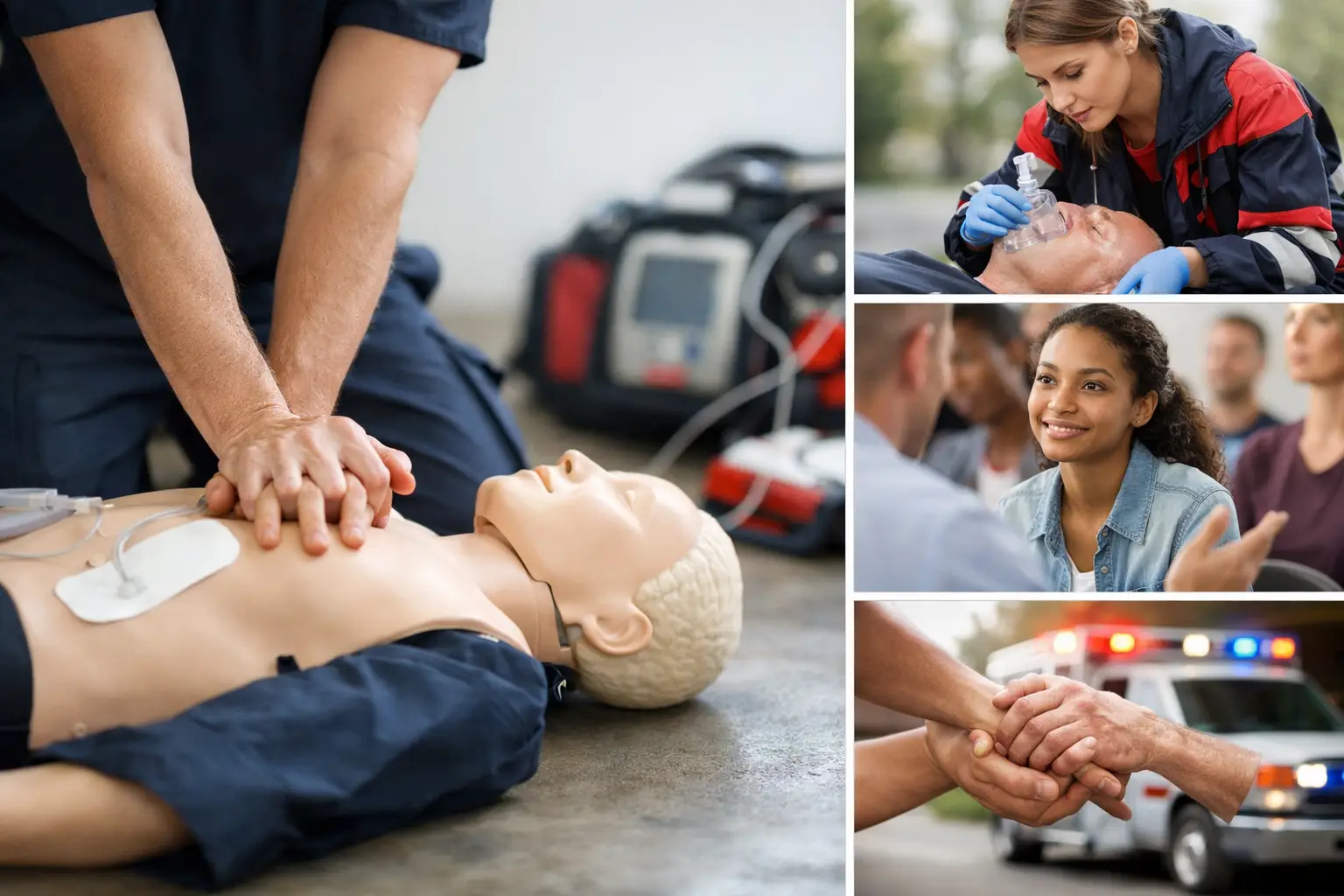
A medical emergency rarely gives you time to think it through. Someone collapses, stops breathing normally, or becomes unresponsive, and the next few minutes can shape the outcome. That is where basic life support benefits become clear. BLS training gives people a practical response plan for high-stakes moments, replacing hesitation with action.
For some learners, BLS is a job requirement. For others, it is a decision rooted in family safety, workplace responsibility, or personal preparedness. In both cases, the value goes beyond a certificate. Basic Life Support teaches people how to recognize life-threatening emergencies, deliver CPR, use an AED, and support a patient until advanced care arrives.
What basic life support actually prepares you to do
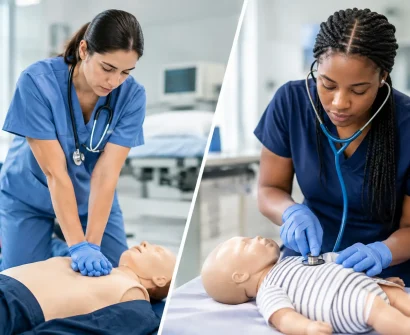
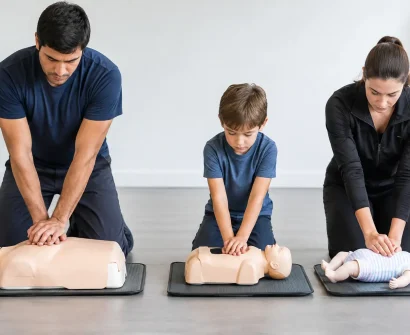
BLS is more than a general first aid class. It focuses on the immediate care needed during cardiac arrest, respiratory arrest, and airway obstruction. Training typically covers high-quality chest compressions, rescue breathing, team response, AED use, and the steps for assessing and supporting adults, children, and infants.
That scope matters because emergencies are rarely neat or predictable. A trained responder needs to make fast decisions, follow a sequence, and stay effective under stress. BLS helps build that response pattern through guided instruction and hands-on practice, not just theory.
1. Faster action in the moments that matter most
One of the most important basic life support benefits is speed. In a real emergency, delays happen for simple reasons. People are unsure what they are seeing, uncertain about what to do first, or afraid of doing harm. Training reduces that pause.
When someone has learned how to check responsiveness, call for help, begin compressions, and use an AED, the response becomes more immediate. That speed can make a meaningful difference in cardiac and breathing emergencies, where every minute without intervention raises the risk of poor outcomes.
This does not mean trained people become emotionless in a crisis. It means they are more likely to move with purpose even while feeling the pressure of the situation.
2. Better CPR quality, not just CPR awareness
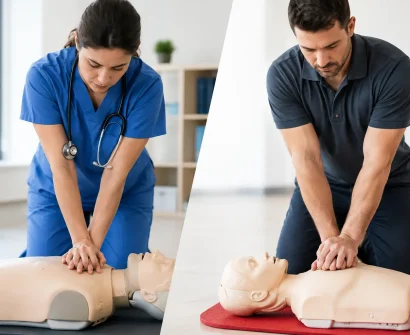
Many people know that CPR saves lives. Fewer people know what effective CPR actually requires. Depth, rate, recoil, ventilation technique, and minimizing interruptions all affect the quality of care.
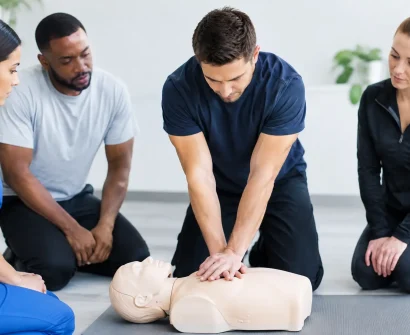
That is why BLS training is so valuable. It does not stop at awareness. It teaches proper technique and gives learners the chance to practice until the actions feel more natural. For healthcare providers, that often includes team dynamics and role clarity. For non-clinical learners, it builds competence with the fundamentals.
There is a real difference between knowing CPR exists and being able to perform it well enough to support circulation until EMS takes over. BLS closes that gap.
3. More confidence under pressure
Confidence is sometimes treated like a soft benefit, but in emergency response, it has practical value. People who feel unprepared are more likely to freeze, second-guess themselves, or wait for someone else to step in.
BLS training helps replace uncertainty with a clear sequence of actions. That confidence comes from repetition, instructor feedback, and exposure to realistic scenarios. You learn what to look for, what to do next, and how to continue care until more advanced help arrives.
It is worth saying that confidence should not be confused with overconfidence. Good training teaches people to act within their scope, follow current guidelines, and call emergency services early. The goal is not to turn every learner into a paramedic. The goal is to make them capable, calm, and useful in the first critical minutes.
4. Stronger workplace readiness and compliance
For many professionals, BLS is essential for employment, licensing, or clinical placement. Nurses, physicians, allied health staff, emergency responders, childcare workers, and other regulated professionals often need current credentials to meet workplace expectations.
That makes one of the clearest basic life support benefits its role in professional readiness. It helps employers build safer environments and helps staff meet recognized standards of care. In healthcare and care-based settings, this is not optional preparation. It is part of being ready to respond when a patient, resident, student, or visitor experiences a crisis.
There is also a broader workplace value outside hospitals and clinics. Schools, fitness centers, offices, construction sites, and public-facing businesses all benefit when trained staff are present. Not every job requires BLS certification, but many workplaces are stronger because someone on-site knows how to respond to an emergency before EMS arrives.
5. Improved team response in real emergencies
Emergency care is often a team effort. Even in community settings, more than one person may be involved – one caller, one compressor, one person retrieving the AED, another guiding responders to the scene.
BLS training supports that coordination. Learners become familiar with communication, task delegation, and role switching. In healthcare settings, team-based BLS is especially important because organized response improves efficiency and reduces confusion.
This benefit is easy to overlook until a real event happens. The emergency itself is already chaotic. Training helps keep the response from becoming chaotic too. People know how to communicate clearly, confirm tasks, and maintain focus on the patient.
6. Greater readiness at home and in public
Many emergencies happen far from a clinical setting. A grandparent collapses at dinner. A child chokes at home. A stranger becomes unresponsive at a sports event. In those moments, the nearest trained person may not be a healthcare provider. It may be a parent, teacher, coach, coworker, or neighbor.
That is one reason BLS has value beyond professional credentials. It prepares ordinary people to respond in extraordinary situations. You do not need a clinical career to benefit from learning how to identify cardiac arrest, provide CPR, or use an AED.
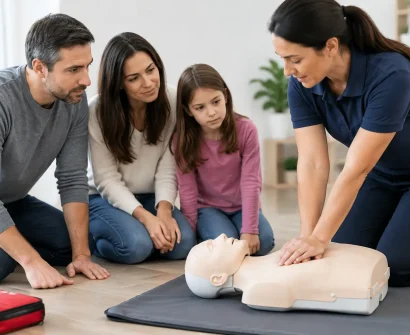
For families and caregivers, this can be especially meaningful. Training does not eliminate risk, but it does reduce helplessness. Instead of waiting passively for help, you can begin care right away.
7. Skills that stay relevant across roles and life stages
Another advantage of BLS is that it remains useful even as your responsibilities change. A nursing student may need it for clinical placement. A teacher may need it for school safety. A parent may take it because children are at home. A healthcare worker may return for renewal because standards and best practices evolve.
That flexibility makes BLS a practical investment. The core skills apply across many settings, and refresher training helps keep those skills current. Like any hands-on ability, emergency response improves with practice and fades without it. Certification and recertification help learners stay ready rather than assuming old knowledge will hold up under stress.
Who benefits most from BLS training?
The short answer is that almost anyone can benefit, but the reasons differ. Healthcare professionals need BLS because patient care settings demand rapid, coordinated response. Childcare providers, teachers, and coaches benefit because they are responsible for others in active, unpredictable environments. Parents and caregivers value it because emergencies at home feel very different when you know where to start.
Even for people without a formal requirement, the training can still be worthwhile. If you spend time around children, older adults, large groups, or the public, there is a practical case for learning these skills. The more people in a community who can respond effectively, the stronger that community becomes in a crisis.
The trade-off: certification alone is not enough
It helps to be realistic about what training can and cannot do. BLS improves preparedness, but it is not a guarantee of perfect performance. Real emergencies are stressful, noisy, and emotionally charged. People may still feel fear. Skills may need refreshing. Some learners need more practice than others before they feel comfortable.
That is why course quality matters. Hands-on instruction, realistic scenarios, and current guideline-based teaching make a difference. A rushed or overly passive learning experience may check a box without building true readiness. For learners who need the skills to transfer into real-world action, practical training is the better choice.
Providers such as Save a Life focus on this hands-on readiness because emergency response is not just about passing a course. It is about being able to step forward when someone needs help.
Why the benefits are bigger than the classroom
The strongest argument for BLS is not the credential itself. It is the ripple effect. One trained person can support a patient before EMS arrives, stabilize a situation in the workplace, protect a family member at home, or give a team the structure it needs during a crisis.
That kind of preparation changes how people move through the world. They are more alert to signs of emergency, more willing to act, and more capable of helping when every second counts. For professionals, that supports standards of care. For everyday learners, it turns concern into practical ability.
If you have been weighing whether BLS training is worth your time, the answer often comes down to a simple question: when an emergency happens near you, do you want to watch and wait, or do you want to be ready to help?