
Currently Empty: $0.00

A cardiac arrest can happen in a hospital room, a dental office, a long-term care residence, a school gym, or at home. The first few minutes matter, and the response must be organized, fast, and coordinated. That is why the question of who needs BLS certification is not limited to paramedics and emergency department teams. Basic Life Support training is a core requirement for many healthcare roles and a valuable standard for others who may be responsible for someone’s care.
BLS certification teaches participants how to recognize life-threatening emergencies, provide high-quality CPR, use an AED, relieve choking, and work effectively as part of a response team. It is practical training for people who may need to act before advanced medical help takes over.
Who Needs BLS Certification?
People who work directly with patients are the clearest group. Many employers, professional programs, licensing bodies, and clinical placement sites require a current BLS credential before an individual can begin work or training. Requirements differ by profession, employer, state, province, and facility, so the most reliable first step is to confirm the exact course and credential your organization accepts.
In most cases, BLS is expected for physicians, nurses, paramedics, emergency medical technicians, respiratory therapists, medical assistants, personal support workers, and other clinical staff. It is also commonly required for pharmacists, dental professionals, physical therapists, occupational therapists, laboratory personnel, and allied health professionals who work in patient-facing settings.
Medical, nursing, dental, pharmacy, and other health-profession students may need BLS certification before attending clinical placements. A student may not yet be practicing independently, but they still need to know how to respond if a patient, classmate, or visitor suddenly collapses. Maintaining certification early also helps build the confidence and muscle memory needed in clinical practice.
Healthcare professionals and clinical teams
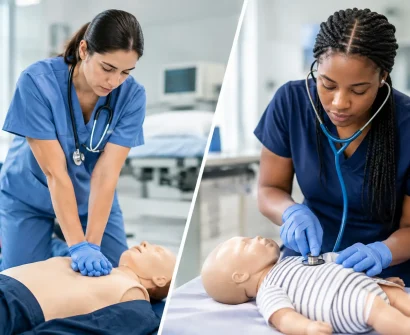
For healthcare providers, BLS is more than a checklist item. It establishes a shared response language. Team members learn how to assess a collapsed person, begin compressions, deliver rescue breaths when appropriate, use an AED promptly, and rotate roles to reduce fatigue during a prolonged emergency.
This teamwork component matters in hospitals, clinics, medical offices, and care facilities. A single responder may start CPR, but effective resuscitation quickly becomes a coordinated effort. BLS training helps clinical teams move with purpose while staying focused on high-quality care.
BLS is often a prerequisite for advanced courses such as ACLS and PALS. Professionals who need to manage cardiac, respiratory, or pediatric emergencies at an advanced level generally need current foundational BLS skills first.
Caregivers and support professionals
Home health aides, caregivers, personal support workers, and staff in long-term care communities may spend more time with vulnerable people than almost anyone else. They may notice a change in breathing, responsiveness, or condition before a medical team arrives. For these roles, BLS can provide the training to recognize an emergency and begin appropriate care without delay.
The same consideration applies to behavioral health workers, rehabilitation staff, and employees in facilities serving adults with disabilities. Whether certification is mandatory depends on the employer and the duties of the role, but the ability to respond to a cardiac or breathing emergency can be directly relevant to daily responsibilities.
Dental, outpatient, and specialty practices
Medical emergencies do not only occur in hospitals. Dental offices, outpatient clinics, imaging centers, infusion settings, and specialty practices all care for people who may have underlying health conditions or unexpected reactions. Staff may also work in smaller teams, where every person’s response matters.
Many dental professionals need BLS certification to meet professional or workplace expectations. Front-office team members may not always be required to hold it, but training can be a strong addition to an emergency readiness plan. The appropriate level of training should reflect the person’s role, the patient population, and the facility’s policies.
When BLS Is Better Than a Basic CPR Course
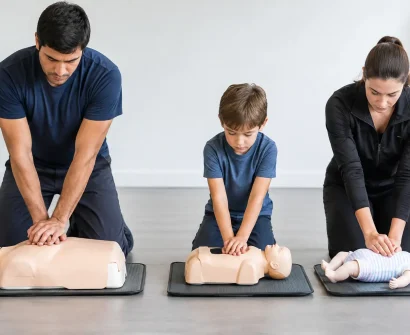
CPR certification is not one-size-fits-all. A general CPR and AED course is often an excellent choice for parents, teachers, coaches, babysitters, fitness instructors, and workplace staff. It teaches essential actions that can save a life and is designed for people without a healthcare role.
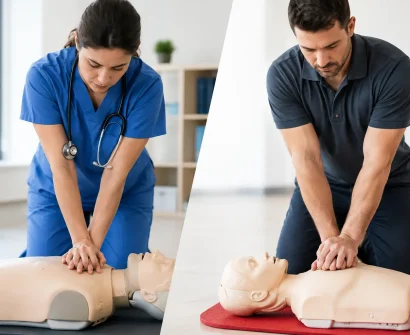
BLS is typically designed for healthcare professionals and trained responders. It places greater emphasis on high-quality CPR, rescue breathing, AED use, choking response, and coordinated team dynamics. The skills may overlap with a lay-rescuer CPR course, but the context, expectations, and assessment standard are different.
If an employer, school, licensing body, or clinical site specifically says “BLS for Healthcare Providers,” a general CPR course may not meet the requirement. Do not assume that any CPR card will be accepted. Ask what certification provider is required, whether an instructor-led skills session is needed, and what renewal schedule applies.
Other People Who Can Benefit From BLS Training
Not everyone who takes BLS needs it for a job. Some people choose it because their responsibilities place them close to higher-risk situations or because they want a more comprehensive emergency response foundation.
Athletic trainers, coaches, gym staff, security professionals, lifeguards, school health staff, and community volunteers may benefit, especially when they work around large groups or physically active populations. Childcare providers and educators should follow their local regulatory and employer requirements, which may call for pediatric first aid, CPR, or a specific childcare emergency course rather than BLS alone.
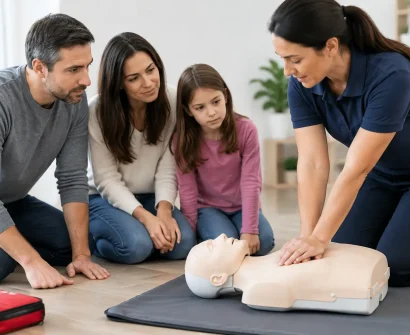
Family caregivers can also consider BLS when caring for an older adult, someone with heart disease, a person with a respiratory condition, or a loved one with complex medical needs. Certification cannot remove the stress of an emergency, but hands-on practice can make the first actions feel more familiar when every second counts.
How to Know Which Certification You Need
Start with the requirement, not the course name. Review your job posting, employee handbook, licensing board guidance, school instructions, or clinical placement documents. Look for details about the accepted training organization, whether online-only training is allowed, and the expiration date required for your credential.
Then consider your real-world environment. A nurse in a busy clinical unit, a dental hygienist in an outpatient practice, and a parent caring for a child at home all need life-saving skills, but they may need different levels of training. The right course matches both the formal requirement and the emergencies you are most likely to encounter.
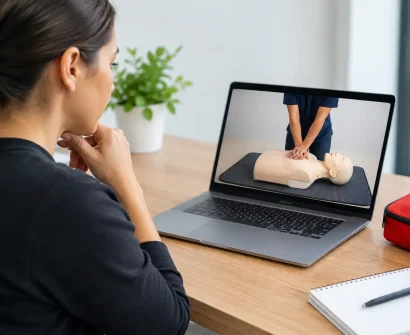
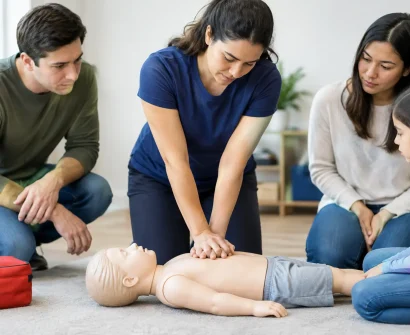
Hands-on practice is especially valuable. Reading about compression depth or AED pad placement is not the same as practicing the sequence with an instructor, receiving feedback, and learning how to stay organized under pressure. Blended learning can offer flexibility, but the skills portion remains essential for building practical confidence.
Keeping BLS Skills Current
Certification is a starting point, not a permanent guarantee of readiness. CPR skills can fade when they are not used, and guidelines may evolve. Most BLS credentials have a defined validity period, often two years, though your employer or professional organization may set additional expectations.
Plan renewal before your card expires. Leaving it until the last minute can create problems with work schedules, clinical placements, licensing paperwork, or enrollment in advanced courses. A refresher course also gives you the opportunity to practice the skills that are easiest to forget, including effective compressions, rescue breaths, AED operation, and team communication.
For learners in Laval and the Greater Montreal area, Save a Life First Aid & CPR Training offers practical, instructor-led options for healthcare professionals and community members seeking the right level of emergency training. The goal is not simply to earn a credential. It is to be prepared to recognize an emergency, take action, and help protect a life when help is needed most.