
Currently Empty: $0.00
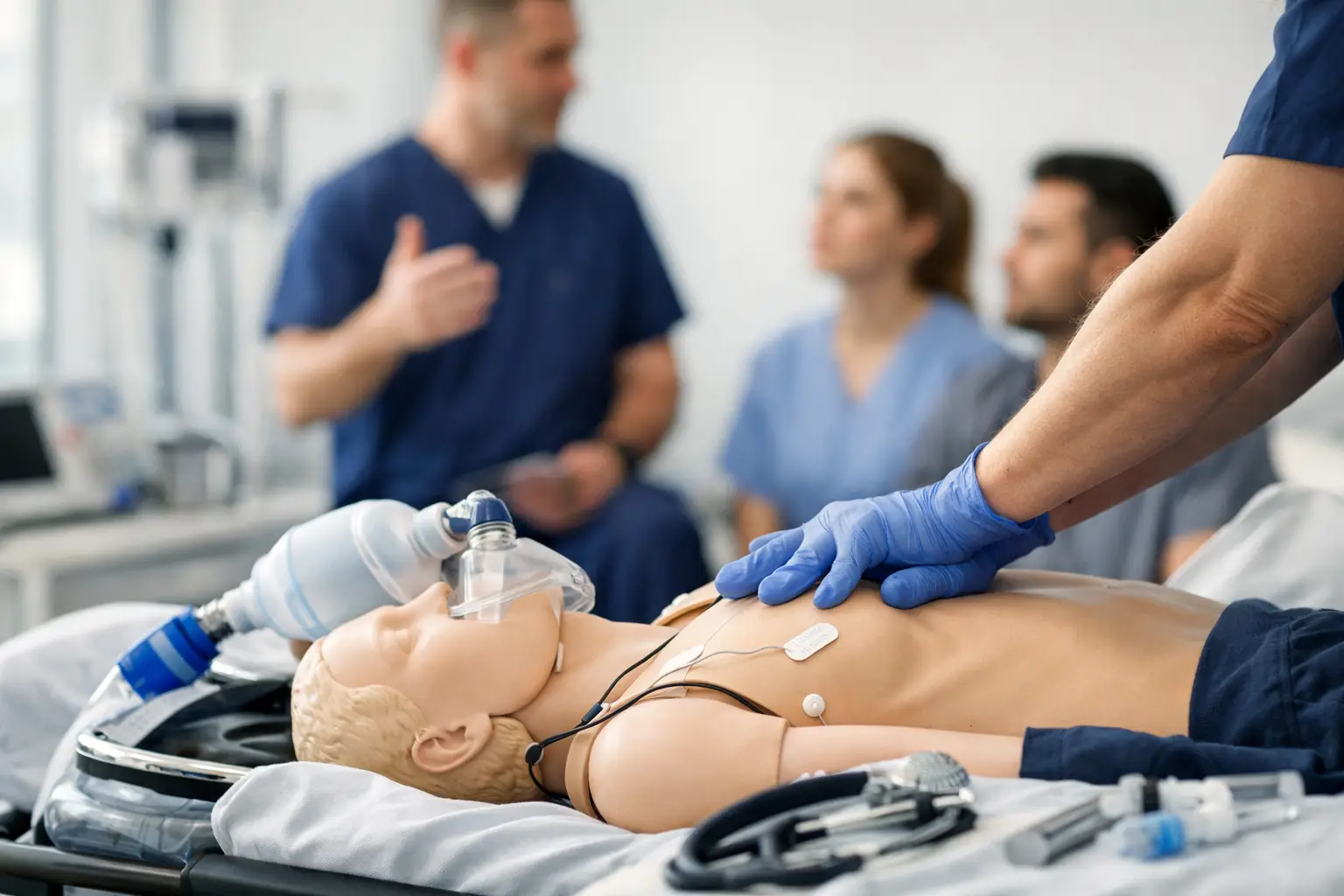
If your ACLS credential is coming up for renewal, you already know this is not a box-checking exercise. An ACLS renewal course is about staying ready for the moments that demand fast decisions, clear communication, and current resuscitation skills. When a patient deteriorates, there is no time to second-guess algorithms you have not reviewed in two years.
For many healthcare providers, renewal feels different from initial certification. You are not starting from scratch, but you are being asked to return to a high standard. That matters. ACLS is built for real clinical pressure – managing cardiac arrest, stroke, acute coronary syndromes, and other cardiovascular emergencies where timing, teamwork, and judgment directly affect outcomes.
Why an ACLS renewal course matters
Skills fade when they are not used often, and even experienced providers can lose speed and confidence if they are away from emergency scenarios for long stretches. Renewal gives you a structured way to revisit core algorithms, medications, airway priorities, rhythm recognition, and post-cardiac arrest care without waiting for a real emergency to expose a gap.
It also helps you stay aligned with current standards. Resuscitation education evolves over time, and small changes in recommendations can affect how teams respond in practice. A renewal course helps make sure your care reflects current guidance rather than habit or outdated training.
There is also a practical side. Many hospitals, clinics, EMS services, and regulated healthcare roles require active ACLS certification for employment, privileges, or licensing. Missing a renewal deadline can create unnecessary stress, scheduling problems, or interruptions in your ability to work in certain settings.
Who should take ACLS renewal
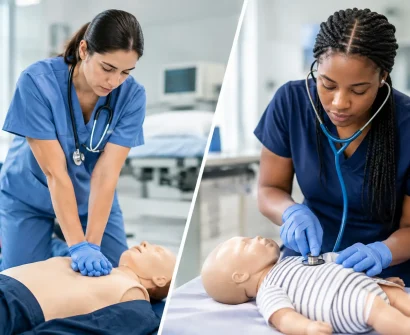
An ACLS renewal course is generally intended for healthcare professionals who already hold ACLS certification and need to recertify before it expires or shortly after. That usually includes nurses, physicians, paramedics, respiratory therapists, and other clinical providers involved in managing cardiovascular emergencies.
The right fit depends on your role and your workplace expectations. Some providers use ACLS frequently in emergency or critical care environments. Others may need the credential because they work in perioperative care, urgent care, primary care, or transport settings where a cardiac event is less common but still possible. In both cases, renewal supports readiness, but the areas you need to focus on may differ.
If your certification has been expired for a longer period, or if your confidence has dropped significantly, a full provider course may be the better option. Renewal is efficient, but it assumes a working foundation. If that foundation feels shaky, taking more comprehensive training can be the smarter and safer choice.
What an ACLS renewal course usually covers
Most renewal courses revisit the core content you are expected to apply in a high-acuity event. That includes the recognition and management of cardiac arrest, bradycardia, tachycardia, stroke, and acute coronary syndromes. You should also expect review of high-quality CPR, airway management concepts, team dynamics, and the use of ACLS algorithms under time pressure.
Rhythm interpretation remains a central piece. Providers need to identify shockable and non-shockable rhythms quickly and connect that recognition to the right intervention. This is where many learners benefit from focused practice. Reading a rhythm strip in a quiet setting is one thing. Doing it while thinking through medications, defibrillation timing, and team communication is another.
Medication review is also part of the process, though the course is not just about memorizing drug names and doses. The goal is to understand when a medication fits the clinical picture, how it supports the algorithm, and what the team needs to watch for during administration.
Just as important, renewal courses often emphasize communication. ACLS is not only a clinical knowledge test. It is team-based care. Closed-loop communication, role clarity, and organized leadership can make a major difference during a resuscitation attempt.
In-person, blended, and skills-focused formats
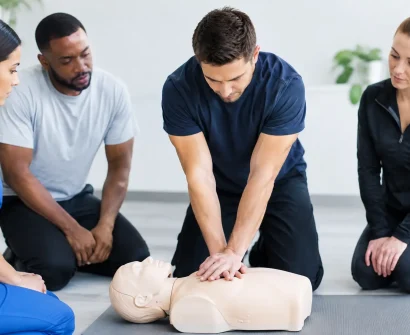
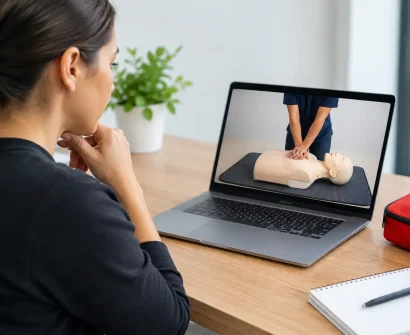
Not every learner needs the same course format. Some providers prefer a traditional classroom setting because they learn best through direct instruction and face-to-face discussion. Others need a blended option that allows them to complete part of the cognitive material online and then attend an in-person session for skills testing and scenario work.
Both formats can be effective when they meet recognized certification requirements and include meaningful hands-on evaluation. The trade-off usually comes down to flexibility versus structure. Blended learning offers scheduling convenience, which is valuable for shift workers and busy clinical teams. In-person learning can offer more immediate coaching, especially for providers who want extra support with megacode practice, rhythm review, or team leadership.
The best choice depends on your schedule, learning style, and how comfortable you feel with the material. If you use ACLS regularly and want efficiency, a blended renewal may make sense. If you have not led a code in some time, more classroom interaction may help rebuild confidence faster.
How to prepare before your renewal class
The smoothest renewal experiences usually start before class day. Reviewing algorithms in advance can make a big difference, especially for bradycardia, tachycardia, pulseless arrest, stroke, and acute coronary syndrome pathways. You do not need to overcomplicate your study plan. Consistent review is usually more useful than cramming.
Spend time on rhythm recognition as well. Many providers feel comfortable with the broad categories but get slowed down when distinguishing between similar presentations or connecting a rhythm to the next clinical step. Even a short refresher can improve speed and reduce hesitation.
It also helps to revisit the practical side of team response. Think through the sequence of an emergency event in your own work environment. How would you call for help, assign roles, begin compressions, manage the monitor, prepare medications, and coordinate reassessment? Renewal goes more smoothly when you are mentally connecting course content to real clinical workflows.
Bring the right mindset, too. This is not about proving you remember everything perfectly. It is about sharpening performance. The strongest learners are often the ones who come in ready to correct weak spots rather than hide them.
What providers often find challenging
Even skilled clinicians tend to have certain sticking points. For some, it is megacode flow – knowing the algorithm in theory but losing sequence during a scenario. For others, it is rhythm interpretation under pressure, especially when discussion, equipment use, and medication decisions are happening at the same time.
Leadership can also be a challenge. Not every provider regularly leads resuscitation efforts, and stepping into that role during training can feel uncomfortable. Still, renewal is a good place to practice. A strong team leader does not need to be loud or flawless. They need to stay organized, communicate clearly, and keep the response moving.
Another common issue is over-focusing on details while missing priorities. In an ACLS setting, high-quality CPR, early recognition, timely defibrillation when indicated, and coordinated team action remain central. The course helps bring attention back to those essentials.
Choosing the right ACLS renewal course
Not all courses feel the same from the learner’s perspective. A good ACLS renewal course should be clear about who it is for, what format it uses, how long it takes, and what certification outcome you will receive. That kind of transparency matters when you are trying to fit training into a demanding work schedule.
Look for a provider that values hands-on readiness, not just course completion. In resuscitation education, convenience matters, but credibility and practical application matter more. The best training leaves you feeling more prepared for a real event, not simply relieved that the class is over.
It is also worth considering how the course is taught. Providers often learn best from instructors who understand clinical realities and can connect the algorithms to actual team response. A training organization such as Save a Life can be especially helpful when it combines flexible scheduling with practical instruction that respects both certification requirements and real-world patient care.
More than a requirement
There is a reason ACLS renewal remains a regular part of professional training. These skills are perishable, the stakes are high, and emergency care depends on people who can think clearly when a patient is at their worst. Renewal gives you a chance to reset, refine, and return to practice with sharper instincts.
That matters whether you run codes every week or only respond when the unexpected happens. The value of an ACLS renewal course is not just that it keeps your credential active. It helps keep you ready for the moment someone needs your training to become action.