
Currently Empty: $0.00
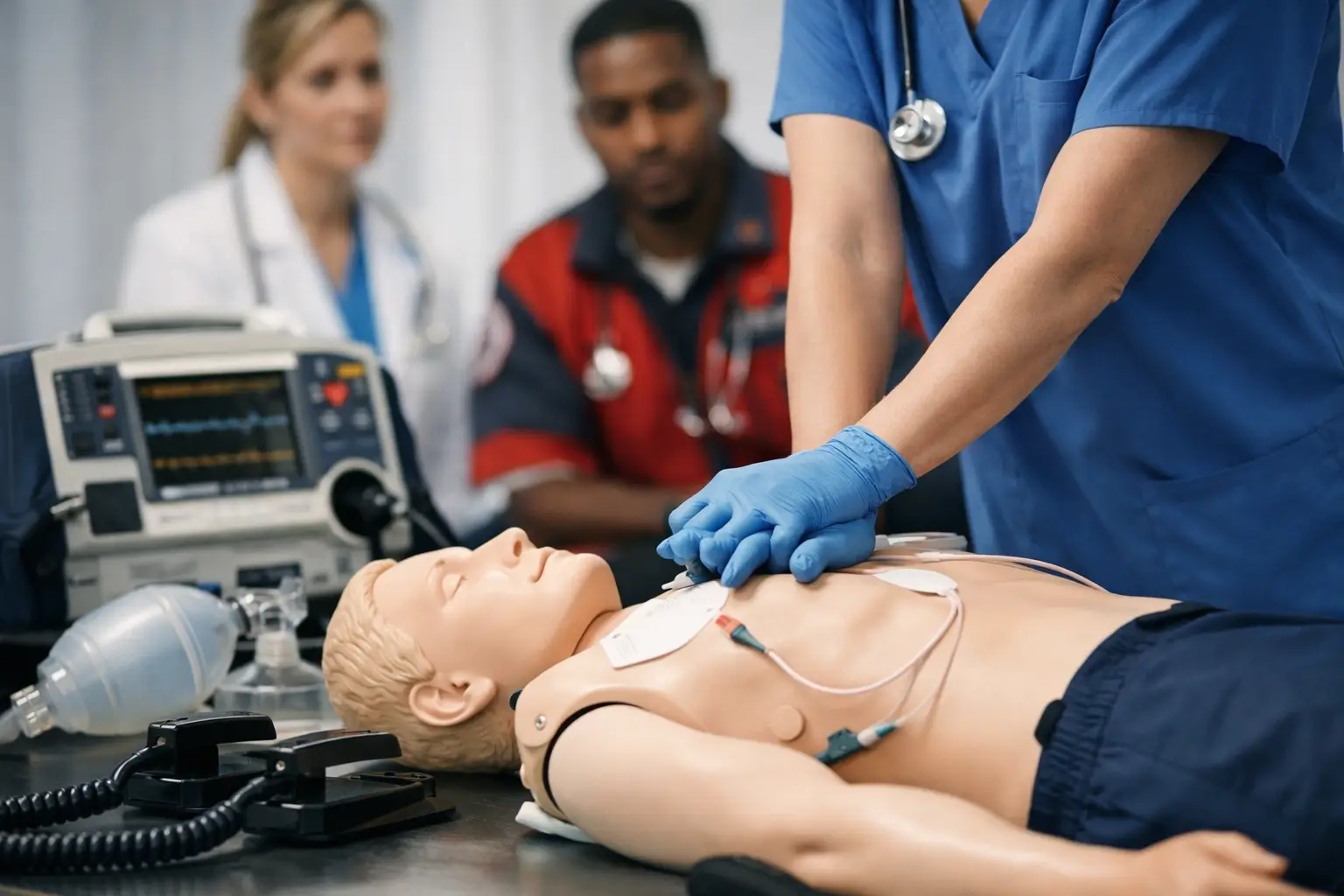
When a patient deteriorates in front of you, there is no time to second-guess the algorithm, the rhythm, or your role on the team. An advanced cardiac life support certification course is designed for exactly that moment – when clinical knowledge has to turn into fast, coordinated action.
For healthcare professionals, ACLS is not just another credential to renew. It is structured training for managing cardiac arrest, stroke, acute coronary syndromes, and other cardiovascular emergencies with a clear, evidence-based approach. The value is practical: stronger team communication, better rhythm recognition, more confident medication decisions, and a steadier response when seconds matter.
What an advanced cardiac life support certification course actually covers
At its core, ACLS builds on high-quality BLS and moves into advanced interventions used in professional care settings. That means the course is not limited to memorizing algorithms. It focuses on how providers assess the patient, identify the problem, prioritize interventions, and work together under pressure.
Most learners can expect the training to cover airway management, ECG rhythm interpretation, pharmacology relevant to resuscitation, post-cardiac arrest care, and the treatment pathways for stroke and acute coronary syndromes. Just as important, the course teaches how to lead or support a code team effectively. In real emergencies, technical skill matters, but so does closed-loop communication, role clarity, and the ability to reassess after each intervention.
That practical focus is one reason ACLS remains relevant across many clinical roles. Nurses, physicians, paramedics, respiratory therapists, and other allied health professionals may all encounter situations where advanced cardiovascular response is required. Even when a provider is not the team leader, knowing the sequence of care helps the whole team function better.
Who should take an ACLS course
An advanced cardiac life support certification course is typically intended for healthcare providers who either direct or participate in the management of cardiopulmonary emergencies. In many workplaces, it is a hiring requirement or part of ongoing credential maintenance. In others, it becomes necessary when a clinician moves into acute care, emergency response, critical care, perioperative care, or settings with medically fragile patients.
Whether you need ACLS depends on your role, your employer, and your regulatory requirements. A hospital-based nurse may need current certification for unit eligibility. A physician in training may need it for rotations or residency expectations. Some clinic-based professionals may not need ACLS routinely, but still benefit from it if their patient population carries elevated cardiac risk.
This is where course selection matters. Not every learner is starting from the same place. Some are first-time participants preparing for a new clinical position. Others are experienced providers completing a renewal before expiry. Choosing the right format helps avoid unnecessary repetition while still meeting certification standards.
What to expect during the training
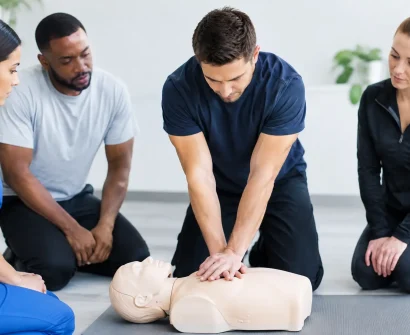
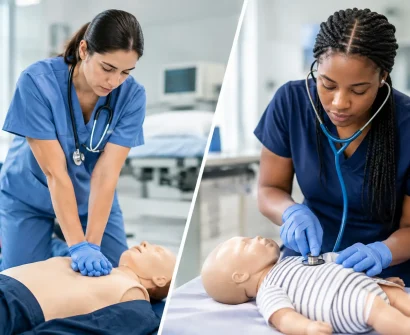
A strong ACLS course should feel active, not passive. While there is foundational theory involved, the most effective learning happens when participants apply the material in realistic scenarios. That includes recognizing unstable rhythms, deciding when to defibrillate or cardiovert, organizing the team response, and managing the next steps after return of spontaneous circulation.
In practice, learners are often asked to move quickly between assessment and intervention. One moment may involve identifying symptomatic bradycardia, while the next requires managing pulseless arrest. The pressure is intentional. It helps participants develop clinical composure before they need it in a real patient encounter.
There is also a testing component. Depending on the course structure, learners may complete a written exam, skills assessment, or both. That can feel stressful, especially for those who have not taken ACLS before. But the goal is not to trip people up. It is to confirm that the provider can apply the content safely and consistently.
In-person, blended, and renewal options
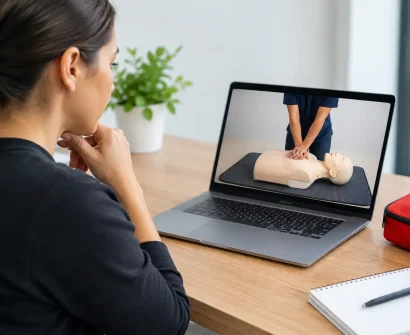
Course format can make a big difference in how manageable the training feels. Some learners do best in a fully in-person setting where they can ask questions in real time and build confidence through hands-on practice. Others prefer blended learning, where the cognitive portion is completed online before attending an in-person skills session.
There is no one best format for everyone. If you are already comfortable with ECG interpretation and algorithms, a blended or renewal pathway may be efficient. If you are newer to advanced resuscitation or have been away from acute care for a while, more instructor-led time may be worth it.
The key is not choosing the fastest option by default. It is choosing the format that leaves you more prepared. Certification is important, but readiness is the real outcome.
How to prepare for your advanced cardiac life support certification course
Preparation makes the course far more manageable. The learners who struggle most are often not those without clinical ability, but those who underestimate how much ACLS depends on organized recall under pressure.
Before class, it helps to review core BLS principles because ACLS begins there, not above it. High-quality chest compressions, early defibrillation, and effective team response remain central. If BLS fundamentals are shaky, the advanced content becomes harder to apply.
Rhythm review is also time well spent. You do not need to become a cardiology specialist before class, but you should be comfortable distinguishing the rhythms most relevant to ACLS decision-making. Providers who come prepared for rhythm recognition usually have more mental space for scenario performance, medication timing, and communication.
It also helps to review the major algorithms enough that they feel familiar. Familiar does not mean memorized word for word. It means you can follow the logic of what happens next and why. During a code, that understanding matters more than reciting a flowchart from memory.
Why hands-on practice matters more than passive review
Reading alone will not fully prepare you for an advanced cardiac life support certification course. ACLS is a team-based, action-based skill set. You can know the algorithm on paper and still hesitate when asked to lead a megacode, call for synchronized cardioversion, or coordinate medication delivery while monitoring rhythm changes.
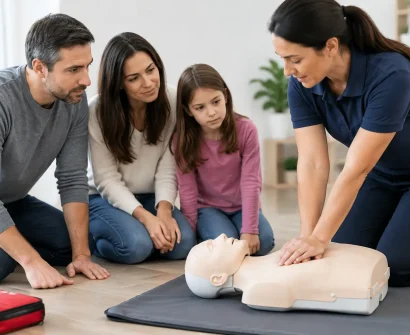
Hands-on instruction closes that gap. Scenario work teaches providers how to think out loud, assign tasks, confirm orders, and adjust when the patient response changes. It also exposes common weak spots, such as delayed rhythm recognition, unclear communication, or overreliance on one team member.
This is where a practical training provider stands apart. The best instruction does not just move learners through a checklist. It builds confidence through repetition, coaching, and realistic application. Save a Life centers that kind of readiness, helping learners translate certification requirements into usable clinical skill.
Common challenges learners face
Many first-time ACLS learners worry about the ECG component, and that concern is understandable. Rhythm interpretation can feel intimidating if it is not part of your daily work. Others find the pharmacology harder, especially when they have to recall indications and timing quickly.
For experienced clinicians, the challenge is often different. Renewal candidates may assume prior exposure is enough, only to realize that infrequently used algorithms fade over time. Clinical experience helps, but ACLS still benefits from deliberate review.
There is also the human factor. Performing under observation can make even competent providers feel less confident. A good course environment should recognize that pressure while keeping standards high. Supportive instruction and realistic practice usually improve performance faster than lecture-heavy teaching alone.
Choosing the right provider
Not all ACLS training experiences are equal, even when the certification outcome appears similar. A good provider offers clear course options, experienced instruction, and training that respects both compliance needs and real-world application. Scheduling matters too. Busy healthcare professionals often need flexible access to initial courses, renewals, and blended formats that fit around shifts and family responsibilities.
It is also worth looking at how the provider approaches skills practice. If the program is overly rushed, learners may leave certified but not confident. If it is too theoretical, they may understand the content without being ready to perform it. The right course balances both.
For many professionals, the best ACLS class is the one that sharpens performance, not just the one that checks a box. That is especially true for providers working in settings where a delayed response, missed rhythm, or unclear team communication can change outcomes.
An ACLS credential can help you meet workplace requirements, but its deeper value shows up later – in the moment you recognize deterioration faster, speak up sooner, and respond with more control than panic. That kind of preparation protects patients, supports teams, and stays with you long after the course date has passed.