
Currently Empty: $0.00
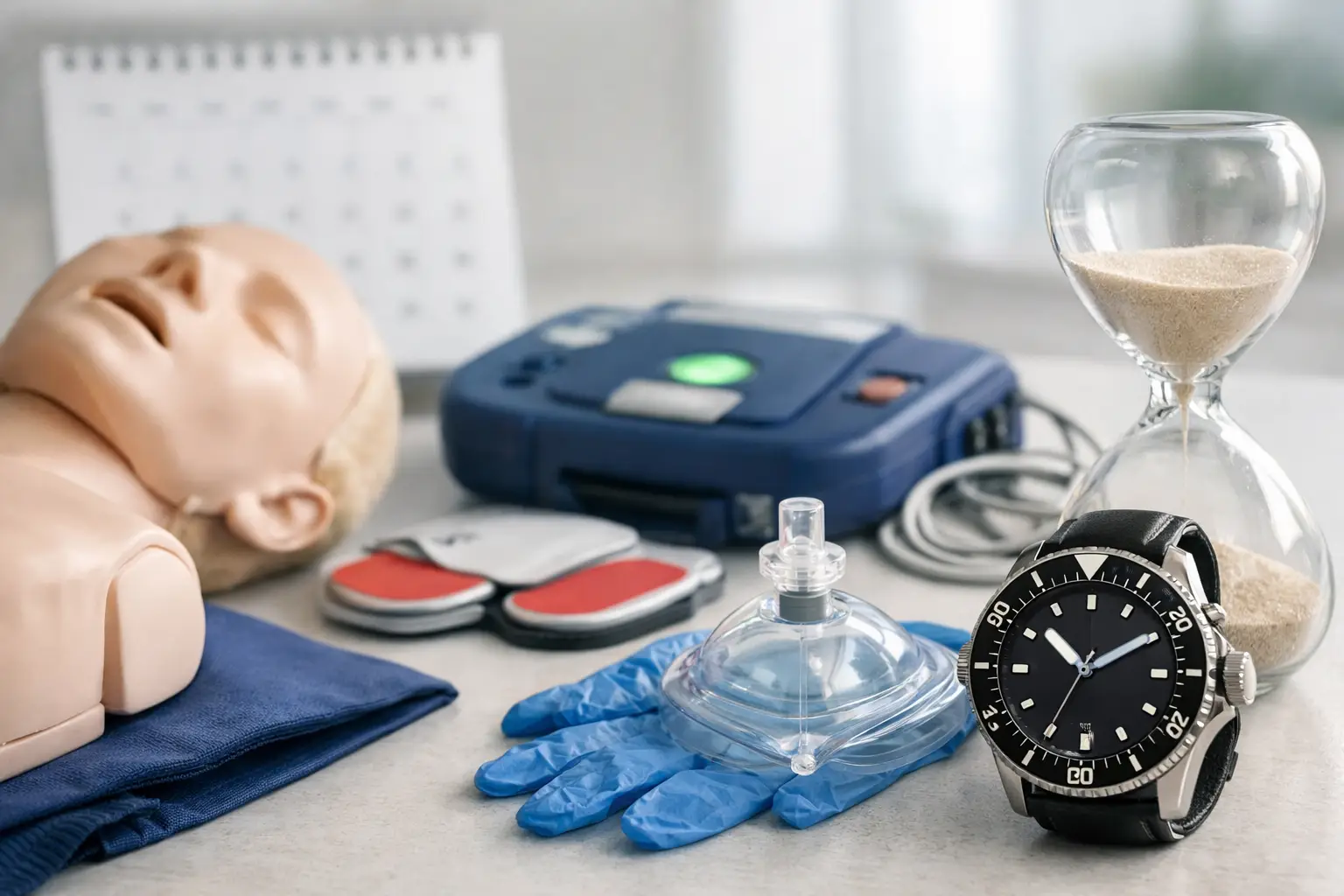
Your BLS card is more than a date on a credential. It represents the ability to recognize cardiac arrest, start high-quality CPR, use an AED, and work effectively with a team when a person’s life may depend on the next few minutes. Knowing how to renew BLS certification before it expires helps you protect that readiness while meeting workplace, licensing, or program requirements.
For nurses, physicians, EMS personnel, dental teams, childcare staff, and other healthcare or safety-focused professionals, renewal should be planned rather than rushed. The right course depends on the credentialing organization, your employer’s policy, and whether your current certification is still valid.
Start With Your Current BLS Card
Before registering for a renewal course, look at your current BLS provider card or digital record. Confirm the issuing organization, the completion date, and the expiration date. Many BLS certifications are valid for two years, but requirements can vary by provider, employer, state, clinical placement, or licensing board.
This first step matters because a BLS renewal course is not always interchangeable with an initial provider course. Some organizations allow currently certified learners to take a shorter renewal or recertification class, while others require the full course if the credential has already expired. Your workplace may also specify a particular training organization or require a hands-on skills evaluation.
If you are uncertain, ask your manager, school coordinator, credentialing department, or licensing body what they accept. It is far easier to confirm the requirement before class than to discover afterward that the course does not meet your compliance needs.
Choose the Right BLS Renewal Format
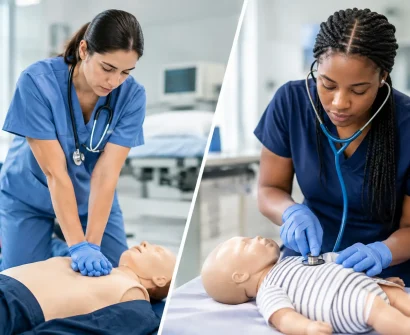
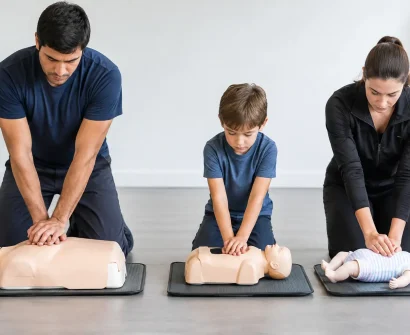
BLS renewal training is designed for people who have previously completed BLS and need to refresh their knowledge and demonstrate current skills. A quality course reviews the science and practical actions that make resuscitation effective, including adult, child, and infant CPR, AED use, choking response, rescue breathing, and team dynamics.
In-Person Renewal Courses
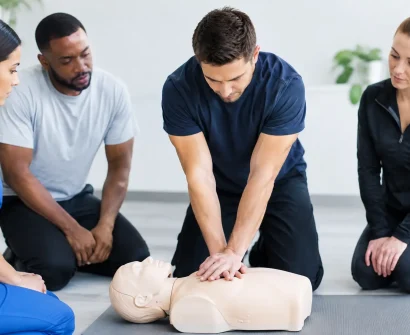
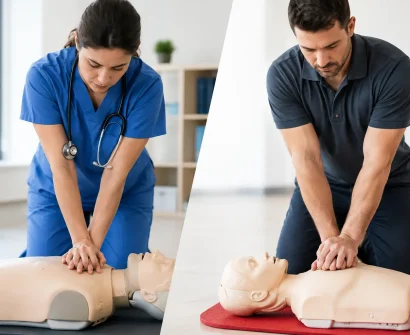
An in-person course is often the best choice for learners who want direct instructor feedback or whose workplace requires a classroom-based program. You practice compressions, ventilations, AED operation, and team response on training equipment while an instructor can correct technique in real time.
This format can be especially valuable if it has been a while since you last performed CPR skills, if you work in a clinical environment, or if you simply want more confidence before returning to patient care. Hands-on practice reveals details that are easy to miss when reviewing material alone, such as compression depth, recoil, pace, and proper bag-mask technique.
Blended Learning Renewal
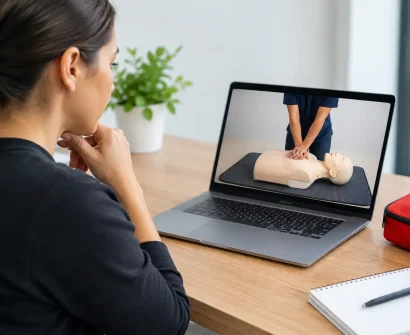
Blended learning typically combines online coursework with an in-person skills session. It can be a practical option for busy professionals and caregivers who need scheduling flexibility but still require verified, hands-on performance.
The online portion lets you complete knowledge modules at your own pace. The in-person appointment then focuses on demonstrating the required skills. Before enrolling, confirm that the full blended pathway, including the skills session, is accepted by your employer or professional program.
Online-Only Courses: Check Before You Enroll
An online-only CPR course may be useful for general education, but it does not automatically meet BLS provider requirements. Many healthcare workplaces and regulated settings require an instructor-led or blended program with a live skills assessment.
Do not assume that a downloadable certificate will satisfy a hospital, clinic, school, or licensing board. Confirm acceptance first, particularly if BLS certification is needed for employment, clinical rotations, or professional renewal.
Renew Before Your Certification Expires
The best time to schedule BLS renewal is usually several weeks before your card expires. This gives you room to find a convenient date, complete any required online portion, and reschedule if illness, work demands, or family responsibilities interfere.
Waiting until the final week creates unnecessary pressure. A full class may be required if your credential lapses, and an expired card can affect scheduling, onboarding, clinical placement, or eligibility to work in certain roles. Some employers will temporarily remove staff from duties that require a current BLS credential.
Set a calendar reminder 60 to 90 days before expiration. Keep a second reminder about 30 days out. If your employer tracks credentials, update the system as soon as you receive your renewed card rather than waiting for the next compliance notice.
What to Expect During BLS Recertification
A BLS renewal course should feel focused, practical, and active. You may complete a written or online knowledge assessment, but the central goal is demonstrating that you can perform lifesaving actions correctly under pressure.
Expect to review how to recognize cardiac arrest, activate emergency response, deliver high-quality CPR, use an AED safely, provide rescue breaths, and relieve choking. Healthcare-focused BLS training also commonly addresses two-rescuer response, coordinated team roles, and how to minimize interruptions in chest compressions.
Your instructor will evaluate your technique. That may include compression rate and depth, full chest recoil, correct hand placement, effective ventilations, AED pad placement, and communication with another rescuer. Treat this feedback as a benefit, not an obstacle. Small improvements in technique can make a meaningful difference in a real emergency.
Bring any documentation requested by the training provider, such as your current card, identification, or proof of completed online coursework. Wear comfortable clothing because you will spend time kneeling and practicing skills on manikins.
Avoid Common Renewal Mistakes
The most common mistake is choosing a course based only on convenience or price. A course that does not meet your employer’s standard can cost more time and money when you have to repeat it. Verify the issuing organization, delivery format, skills requirements, and certificate validity before registering.
Another mistake is assuming prior experience replaces current certification. Even experienced clinicians need an active credential when their workplace or role requires one. BLS guidelines and training methods can change, and regular practice helps prevent skills from fading.
Finally, do not treat renewal as a box to check. CPR is physically demanding, rapid decisions are stressful, and emergencies rarely unfold exactly like a training scenario. Use the course to ask questions, practice with purpose, and rebuild the muscle memory that helps you act decisively.
Keep Your Skills Current Between Courses
Certification renewal happens every couple of years for many learners, but readiness should not disappear between classes. Review your organization’s emergency procedures, know where AEDs are located at work or in your community, and encourage family members or coworkers to learn CPR.
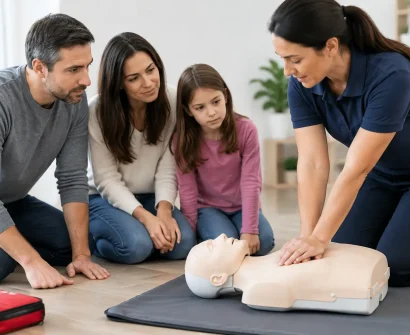
If you work on a healthcare team, take mock codes and practice drills seriously. They build familiarity with equipment, communication, and role assignments before a real crisis occurs. Parents, caregivers, and community members can benefit from occasional CPR refreshers and from checking that first aid supplies are accessible and current.
Save a Life offers practical training pathways for healthcare professionals and community members who want certification training that translates into confident action. Whether you need a formal BLS renewal or are building emergency response skills for the first time, select a course that fits your requirements and gives you meaningful hands-on practice.
A renewed BLS credential is valuable, but the real goal is simpler: when someone collapses, chokes, or stops breathing, you can recognize the emergency and step forward with the skills to help.