
Currently Empty: $0.00
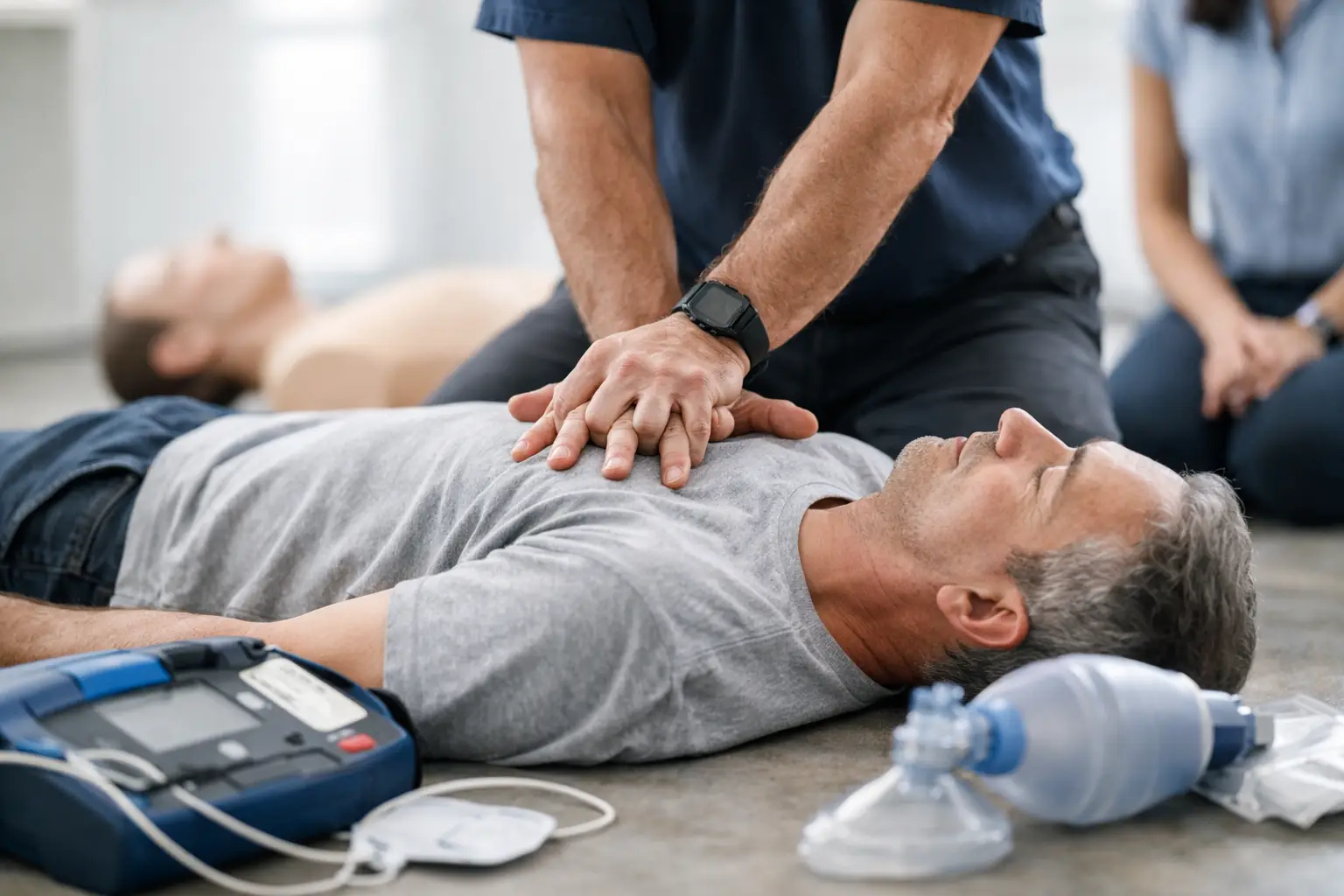
A person collapses at work, in a grocery store, or at home, and the first few moments matter most. If you have ever wondered what are the BLS steps used for adults, the short answer is this: recognize the emergency, activate help, start high-quality CPR, and use an AED as soon as one is available.
That sounds simple on paper. In real life, stress, noise, bystanders, and uncertainty can slow people down. Basic Life Support, or BLS, gives responders a clear sequence to follow so they can act with purpose instead of panic. For healthcare providers, those steps are part of a formal standard of care. For everyday adults, they are the foundation of effective emergency response.
What are the BLS steps used for adults in an emergency?
Adult BLS follows an organized approach designed to support breathing and circulation during cardiac arrest or another life-threatening event. The goal is to keep oxygenated blood moving to the brain and vital organs until more advanced care arrives.
In most adult cardiac emergencies, the sequence starts with scene safety. Before you rush in, you check whether the environment is safe for you, the victim, and others nearby. A wet floor, live electrical hazard, traffic, or an unstable setting can turn one emergency into several.
Once the scene is safe, you assess responsiveness. You tap the person and shout to see if they respond. If there is no response, you look for normal breathing and check for signs of life. Gasping is not normal breathing. Agonal gasps can happen during cardiac arrest and should not be mistaken for recovery.
If the person is unresponsive and not breathing normally, or only gasping, you activate the emergency response system. That means calling 911 or directing someone specific to do it. If another bystander is present, send that person to get an AED immediately. Clear directions matter. Saying, “You in the blue shirt, call 911 and bring the AED,” works better than asking generally for help.
Then you begin CPR. For adults, BLS emphasizes strong, fast chest compressions with minimal interruptions. If an AED arrives, you turn it on, follow the voice prompts, and deliver a shock if advised. CPR continues between rhythm checks until advanced help takes over or the person shows clear signs of recovery.
The adult BLS sequence, step by step
The sequence is easy to memorize, but doing it well takes practice. Each part supports the next.
1. Check the scene and the person
Make sure it is safe to approach. Then check whether the adult is responsive. A person who does not answer, move, or react to touch needs immediate attention.
At this point, you also check breathing. If breathing is absent, abnormal, or limited to gasping, treat it as a cardiac arrest situation. Healthcare providers may also check for a pulse at the same time, but this should not delay compressions. If there is any doubt, starting CPR quickly is the safer decision.
2. Call for help and get an AED
Early activation of EMS is part of BLS because CPR alone is rarely enough to reverse sudden cardiac arrest. Emergency teams bring defibrillation, airway management, medications, and advanced monitoring.
The AED is just as important. Many adult cardiac arrests are caused by rhythms that respond to early defibrillation. Every minute without defibrillation lowers the chance of survival. That is why BLS training stresses getting the AED as quickly as possible instead of waiting to see whether the person improves.
3. Start high-quality chest compressions
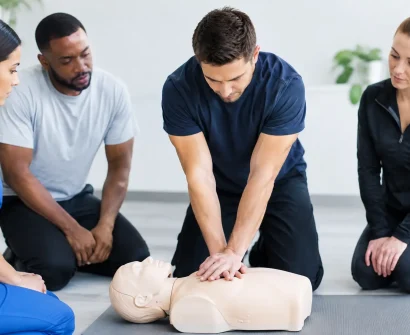
For adults, chest compressions are performed in the center of the chest. The recommended rate is 100 to 120 compressions per minute, and the depth is at least 2 inches, without going beyond 2.4 inches. After each compression, allow full chest recoil.
Good compressions are not just fast. They must also be consistent, deep enough, and interrupted as little as possible. Leaning on the chest between compressions reduces recoil and limits blood flow. Stopping too often for reassessment also lowers CPR quality.
If you are alone and not trained in rescue breathing, hands-only CPR is far better than doing nothing. If you are trained, the standard adult ratio for a single rescuer is 30 compressions followed by 2 breaths.
4. Give rescue breaths if trained
After 30 compressions, open the airway using a head-tilt, chin-lift unless trauma is suspected. Give 2 breaths, each over about 1 second, and watch for visible chest rise.
The key is not to over-ventilate. Too much air or breaths given too quickly can reduce the effectiveness of CPR. In adult sudden cardiac arrest, compressions remain the top priority, especially in the first minutes.
If there are two trained rescuers, they continue using coordinated cycles of compressions and breaths while minimizing pauses. In a professional setting, bag-mask ventilation may be used, but that requires training and teamwork.
5. Use the AED as soon as it arrives
Turn the AED on and follow the prompts. Expose the chest, attach the pads correctly, and make sure no one is touching the person when the machine analyzes the rhythm. If a shock is advised, clear the patient and deliver it.
Then go right back to CPR. One common mistake is spending too much time talking, checking, or waiting after a shock. BLS teaches immediate resumption of compressions because circulation still needs support even when defibrillation is successful.
6. Continue care until help takes over
You keep cycling through CPR and AED prompts until EMS arrives, another trained responder takes over, the scene becomes unsafe, or the person begins to breathe normally and show signs of life.
That last point matters. BLS is not about one dramatic moment. It is about sustained, effective action during the minutes that follow collapse.
Why the order of the adult BLS steps matters
The order is built around survival priorities. In adults, sudden cardiac arrest often starts with a cardiac rhythm problem, not a primary breathing issue. That is why compressions and defibrillation are central.
Older CPR teaching often emphasized airway and breathing first. Modern BLS places stronger emphasis on circulation early in the response. That shift reflects what improves outcomes in adult arrest. Blood flow to the brain and heart must be restored quickly, even if only partially through manual compressions.
There are exceptions. If the collapse is linked to drowning, overdose, respiratory failure, or another event where lack of oxygen came first, rescue breathing becomes even more important. But the overall BLS framework still applies. You assess, activate help, support circulation, provide ventilation when appropriate, and use an AED if indicated.
What changes for healthcare providers?
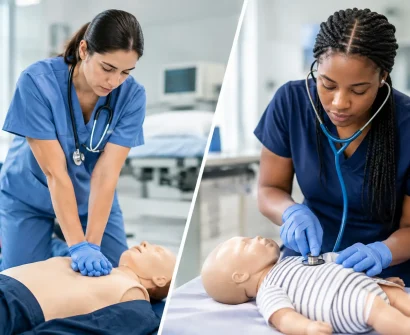
The basic steps remain the same, but trained providers are expected to move with more precision. They assess breathing and pulse at the same time, use barrier devices or bag-mask ventilation when available, and work in teams with assigned roles.
Team dynamics are a major part of professional BLS. One rescuer may handle compressions, another ventilation, another the AED or monitor, and another communication with EMS. Role switching helps reduce fatigue, because compression quality drops quickly when one person works too long without relief.
Providers are also trained to recognize when a patient has a pulse but is not breathing normally. In that case, rescue breathing is given without chest compressions, and the patient is reassessed regularly. That is different from full cardiac arrest and highlights why formal training matters.
Common mistakes during adult BLS
The biggest problem in most emergencies is delay. People hesitate because they are afraid of doing something wrong. In reality, doing nothing is usually the greater risk when an unresponsive adult is not breathing normally.
Another common mistake is poor compression quality. Compressions that are too shallow, too slow, or interrupted too often do not move enough blood. Rescue breaths can also become a problem when they are too forceful or too frequent.
AED hesitation is common too. Some bystanders worry they will shock someone by mistake. AEDs are designed to analyze the rhythm and advise a shock only when needed. They are built to help responders, not to test them.
Why training still matters even if you know the steps
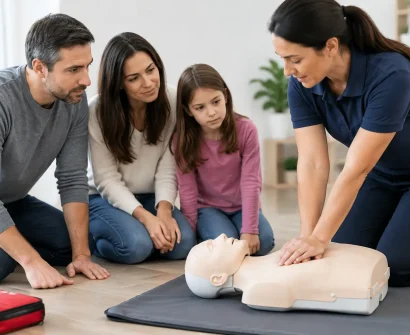
Reading about BLS is a good start, but emergencies are hands-on. Most people do not realize how physically demanding compressions are or how hard it can be to keep a steady rate under pressure until they practice.
Training also helps you recognize the difference between normal breathing and gasping, learn proper hand placement, use an AED confidently, and respond as part of a team. For healthcare workers, current certification supports workplace readiness and compliance. For parents, teachers, caregivers, and community members, it builds the confidence to act when every second counts.
At Save a Life, that practical readiness is the point. The goal is not just passing a course. It is being able to step forward, assess fast, and protect a life in a real emergency.
If you remember nothing else, remember this: adult BLS is about early recognition, early CPR, and early defibrillation. The best time to learn the sequence is before you ever need it, so your hands know what to do when someone else cannot wait.