
Currently Empty: $0.00
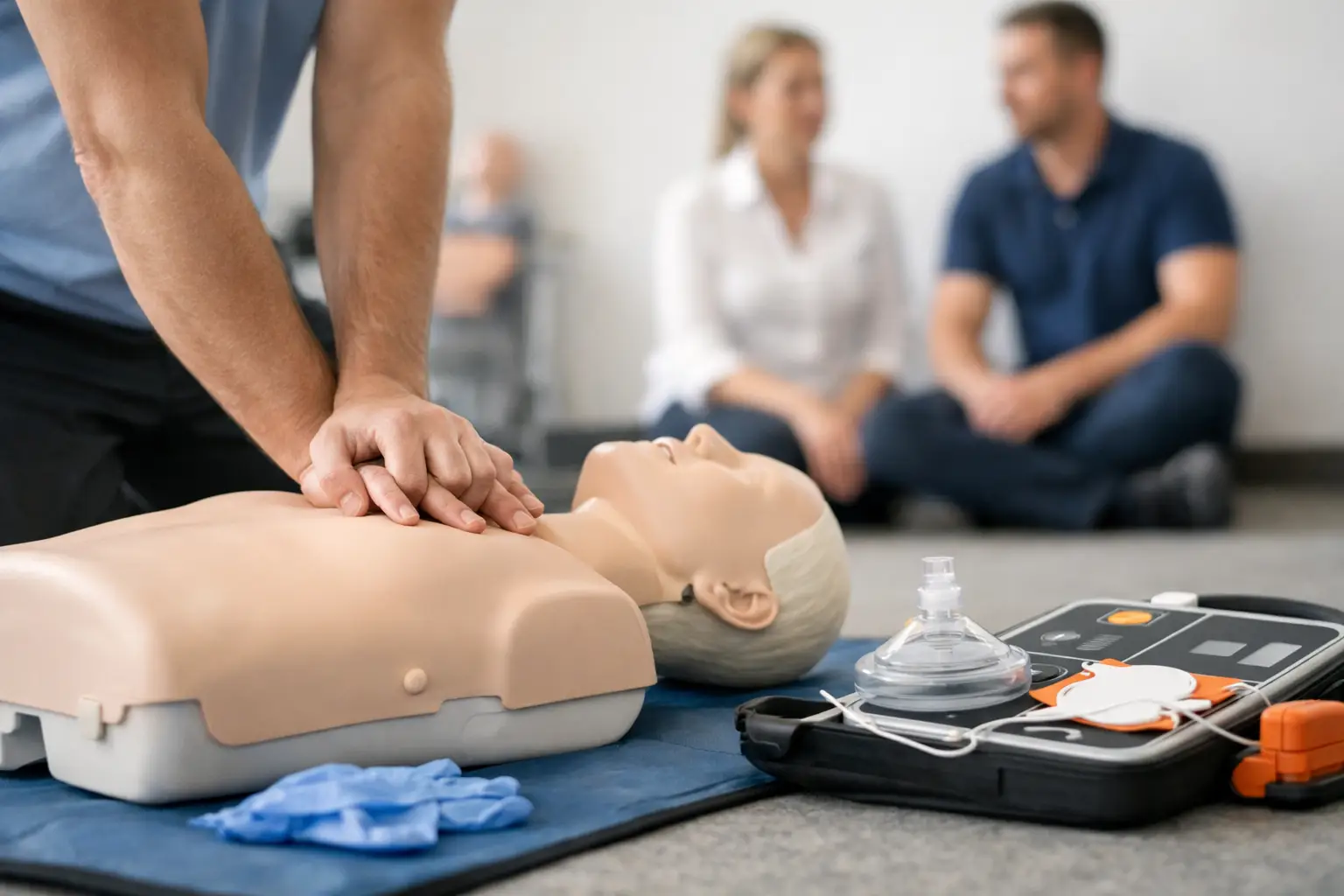
Your CPR card may look like a small credential, but it represents a skill people may depend on when seconds matter. CPR recertification requirements help make sure that skill is current, practiced, and recognized by the employer, licensing body, school, or organization that requires it.
For most learners, recertification is not simply a matter of taking any online quiz before a card expires. The right course depends on your role, the type of certification you hold, who issued it, and whether you need hands-on skills evaluation. Planning ahead gives you time to choose the right training path and keep your credentials active without a gap.
What CPR Recertification Requirements Usually Include
Most CPR certifications are valid for two years from the date of completion. That is a common standard, but it is not a universal rule. Your employer, state licensing board, healthcare facility, school district, or program may set its own renewal deadline or require a particular training provider.
A typical recertification course asks learners to demonstrate that they can recognize cardiac arrest, call for help, provide high-quality chest compressions, deliver rescue breaths when required, and use an automated external defibrillator, or AED. Courses may also cover choking response, opioid-associated emergencies, and first aid, depending on the credential.
For a renewal course to count, you will usually need a current or recently expired certification in the same program. Some providers allow a short grace period after expiration. Others require you to take the full provider course once your card has lapsed. Do not assume that an expired card remains acceptable while you wait for class. Confirm the policy with the organization that needs your credential.
Start With the Requirement That Matters Most
The most reliable source is the organization that requires you to be certified. A hospital may specify BLS for Healthcare Providers, while a daycare may require adult, child, and infant CPR with first aid. A nursing program may accept one type of card but not another. A workplace may require training from a named certifying organization.
Before registering, verify four details: the required course name, the accepted issuing organization, the expiration date on your current card, and whether an in-person skills check is required. These details prevent a common and costly mistake: completing a course that teaches useful material but does not satisfy a workplace or licensing requirement.
This matters especially for healthcare professionals. BLS, ACLS, PALS, and PEARS serve different clinical roles and involve different prerequisites. Renewing ACLS or PALS generally requires an active BLS foundation, and employers may expect each credential to remain current independently. If you hold more than one card, create a renewal schedule rather than waiting for notices at the last minute.
Renewal Courses Are Not All the Same
CPR training is often described as online, in-person, or blended. Each format can be valuable, but acceptance depends on the requirement behind the credential.
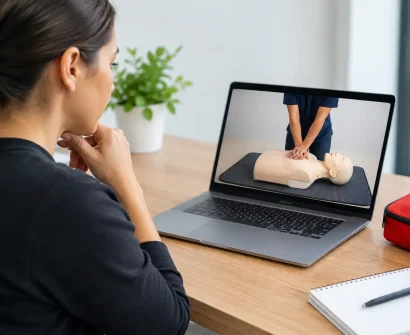
A fully online course may be a practical option for general knowledge or personal preparedness when no hands-on certification is required. However, many employers and regulated roles require an instructor-led session or a blended course that combines online learning with an in-person skills session. The skills portion lets an instructor assess compression depth and rate, AED use, ventilation technique, and response sequence.
Blended learning can work well for busy professionals, parents, and caregivers. Learners complete the knowledge portion at their own pace, then attend a scheduled session to practice and demonstrate core skills. It can reduce time away from work while preserving the hands-on evaluation that many credentials require.
An in-person renewal course may be the best fit when you want more coaching, have not practiced recently, or need to rebuild confidence with infant, child, or team-based response skills. The trade-off is scheduling flexibility, but the direct feedback can be particularly useful for high-stakes roles.
What You May Need to Bring or Complete
Requirements vary by course, but renewal is smoother when you arrive prepared. Bring your current certification card or a digital copy if available, along with any registration confirmation and identification requested by the training provider. If your course includes online prework, complete it before the skills session and save any completion certificate.
Healthcare renewal courses may include a pre-course assessment or require a passing score before class. ACLS and PALS participants may also need to review algorithms, pharmacology, rhythm recognition, or pediatric assessment material in advance. These steps are not busywork. They allow class time to focus on applying knowledge during realistic scenarios.
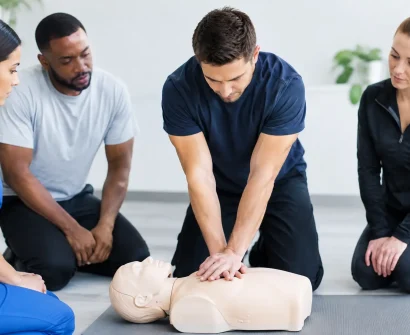
Wear comfortable clothing for practical skills practice. You may be kneeling beside a manikin, performing repeated compressions, working with a partner, or moving through team response stations. If a physical limitation affects your ability to perform a skill, discuss it with the training provider before class. Training staff can explain available options and what the certifying organization requires for successful completion.
CPR Recertification Requirements by Learner Type
Healthcare professionals
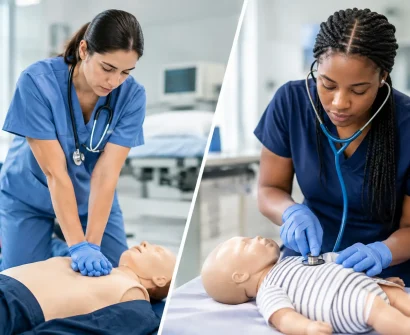
Clinical teams commonly need BLS, and some roles also require ACLS, PALS, or PEARS. Healthcare employers often have strict rules about card type, provider, and expiration. A credential that expires even briefly can affect scheduling, clinical placement, or compliance status. Renew early enough to allow for processing time if your facility must verify the new card.
Childcare workers, teachers, and coaches
Requirements often include adult, child, and infant CPR, AED training, choking response, and first aid. State and local regulations can differ, so a course accepted in one setting may not meet another program’s standards. Check the requirement before choosing an online-only option.
Parents, caregivers, and community members
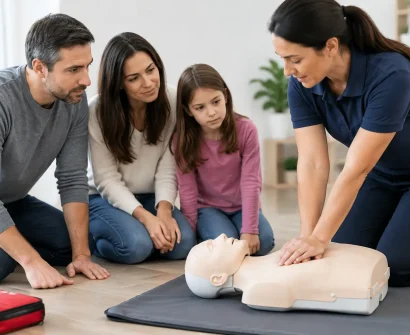
You may not need a credential for work, but recertification still keeps your response skills fresh. Children grow, household risks change, and techniques can be forgotten when they are not used. A hands-on course provides the chance to practice with an AED and become more comfortable acting before emergency services arrive.
When to Renew Your CPR Certification
A good rule is to begin planning 60 to 90 days before expiration. This gives you enough time to compare course schedules, complete prework, and reschedule if illness, travel, or work demands interfere. It also avoids the pressure of trying to find an approved class days before a deadline.
Set a calendar reminder as soon as you receive your new card. If your workplace tracks certifications, keep your own record as well. Save a digital copy of the card in a secure location and note the exact expiration date, not just the month.
If your certification has already expired, act promptly. Ask whether you remain eligible for a renewal format or must complete the full course. Even when a renewal option is available, your employer may require an active credential with no lapse, so communicate early if your status affects your work.
Common Recertification Mistakes to Avoid
The biggest mistake is choosing a course based only on convenience. A short online course may sound appealing, but it may not meet a hospital, employer, school, or licensing requirement. Verify acceptance first.
Another mistake is renewing the wrong level of training. For example, a general adult CPR course may not meet a healthcare BLS requirement, and a CPR-only class may not satisfy a role that also requires first aid. Match the course title and credential to the requirement you were given.
Finally, do not treat recertification as a paperwork task. Guidelines, equipment, and response practices can change, but so can your own confidence. Use the class to ask questions, correct habits, and practice until the sequence feels familiar. In an emergency, clear action matters more than remembering what your card looked like.
Keep the Skill Ready, Not Just the Card Current
Recertification is a practical opportunity to refresh the actions that protect a coworker, patient, student, family member, or stranger. Choose a course that meets your required standard, includes the format your role demands, and gives you meaningful practice. When the moment calls for CPR, current training helps turn hesitation into a response that can help save a life.