
Currently Empty: $0.00
A choking child at a birthday party. A coworker who slips on the stairs. A parent who suddenly feels faint and confused at the dinner table. In moments like these, people do not rise to the occasion by chance. They respond based on what they know, what they have practiced, and how quickly they can stay calm. That is where an emergency first aid course matters.
For many people, first aid training sits in the category of “good to have someday.” The reality is different. Medical emergencies rarely happen on a schedule, and the first few minutes can shape what happens next. Whether you are meeting a workplace requirement, preparing for a caregiving role, or simply wanting to protect the people around you, the right course gives you more than information. It gives you a usable response.
What an emergency first aid course is designed to do
An emergency first aid course focuses on immediate care for sudden illness or injury until more advanced help arrives. That may sound simple, but good training is not just a list of steps. It teaches people how to assess a scene, identify urgent risks, call for help, and take practical action without making the situation worse.
Most learners come in expecting bandages and basic injury care. They leave with a clearer understanding of how to respond under pressure. That includes recognizing emergencies, managing bleeding, helping with choking, supporting someone who is unresponsive, and understanding when CPR or AED use may be needed, depending on the course structure.
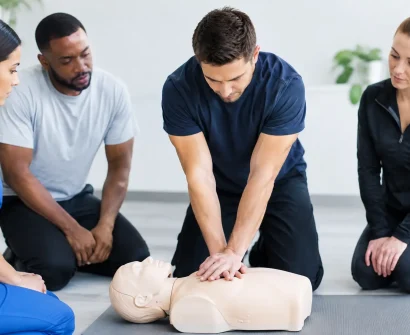
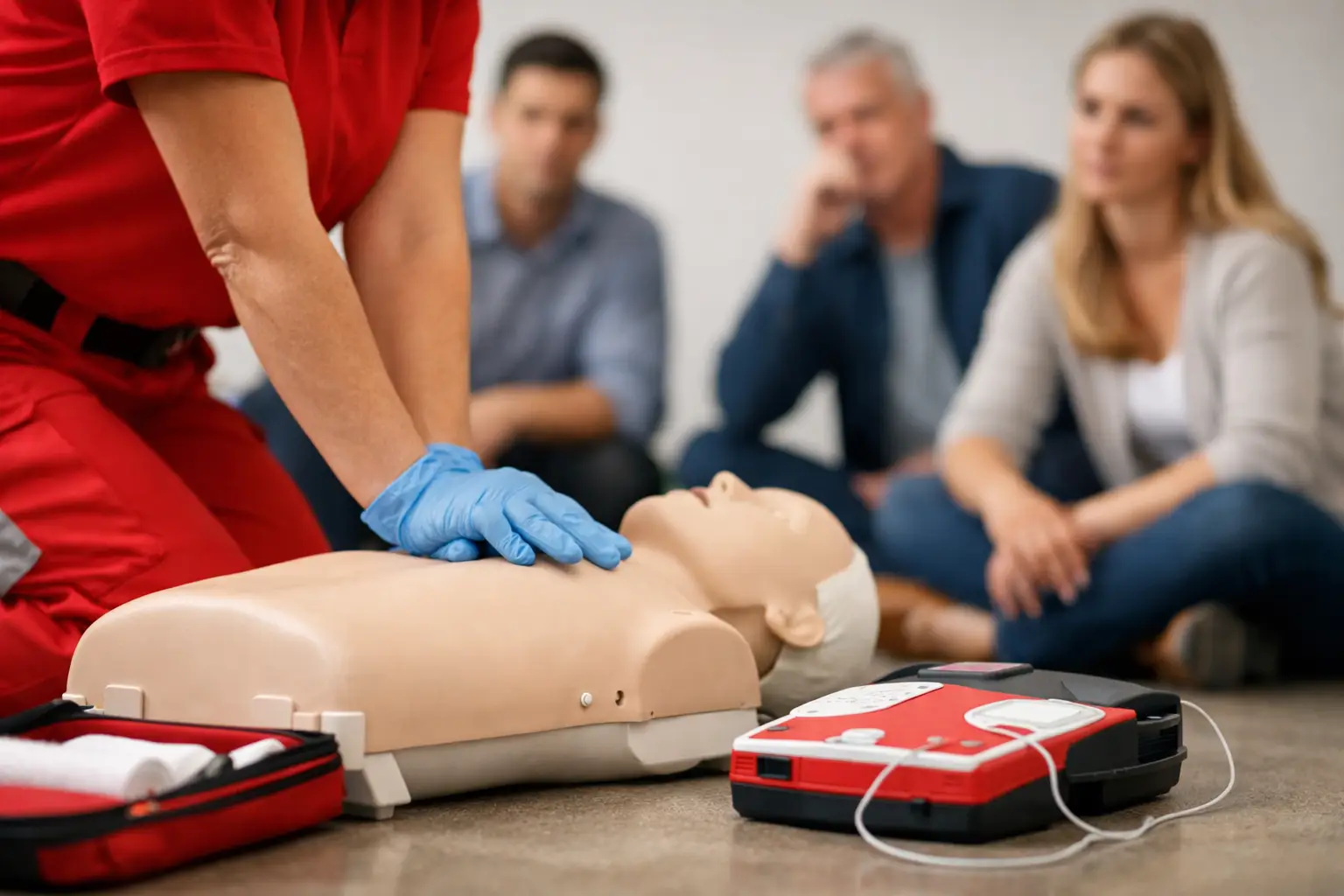
The strongest programs are hands-on. Reading about an emergency is not the same as practicing a response with an instructor who can correct technique, answer questions, and build confidence. In high-stakes situations, that difference matters.
Who should take an emergency first aid course?
The short answer is that almost anyone can benefit. The better answer depends on where responsibility shows up in your life.
If you work in education, childcare, hospitality, construction, fitness, retail, security, or any setting where you are responsible for others, first aid training is often expected and sometimes required. Employers want staff who can respond while emergency services are on the way. In many roles, certification is part of the job, not an extra credential.
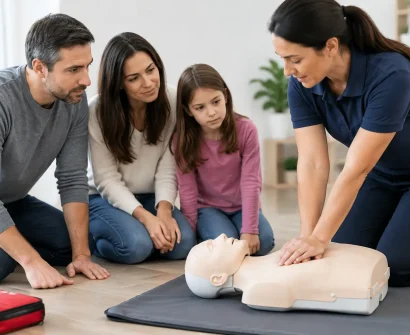
Parents and caregivers are another major group. Home feels safe until it does not. Falls, burns, allergic reactions, choking incidents, and sudden illness happen in ordinary spaces. People caring for children, older adults, or family members with medical conditions often choose training because they know they may be the first person on the scene.
Community members also benefit in ways that are easy to overlook. You do not need a medical title to be the closest person when someone collapses in a parking lot or suffers an injury at a sports event. First aid skills are practical, transferable, and useful far beyond the workplace.
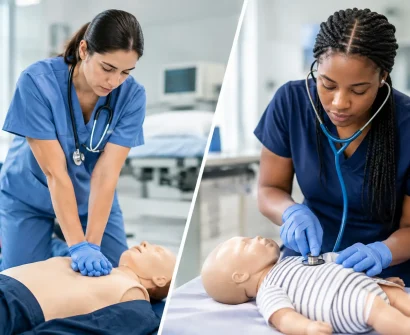
For healthcare professionals, the decision is more specific. An emergency first aid course may be appropriate in some support roles, but licensed providers often need BLS or more advanced credentials tied to clinical standards, licensing, or employer requirements. That is why course selection matters. The right training is not just about learning something helpful. It is about matching the certification to your real responsibilities.
What you can expect to learn
Course content varies by provider and certification level, but most emergency first aid training is built around fast recognition and immediate action. Learners are usually introduced to the priorities of scene safety, primary assessment, activation of emergency response, and basic interventions for common emergencies.
You can expect coverage of situations such as choking, external bleeding, shock, sudden medical distress, and loss of consciousness. Many courses also address burns, wounds, and environmental emergencies. Some include CPR and AED components, while others separate those into related certifications. That is an important detail to confirm before you register.
Training should also teach judgment. Not every emergency looks dramatic, and not every injury needs the same response. A good course helps you understand what requires urgent escalation, what actions are appropriate, and where your role begins and ends.
Emergency first aid course vs standard first aid
This is where many learners pause, and for good reason. Emergency first aid and standard first aid are not interchangeable.
An emergency first aid course is usually shorter and more focused on immediate, essential interventions. It is often a good fit for lower-risk workplaces, general preparedness, or people who need foundational training without a broader certification scope. It covers critical response skills, but the depth is more limited.
Standard first aid typically goes further. It often includes a wider range of injuries and medical conditions, more detailed assessment, and a longer training time. For some jobs, especially those with higher exposure to risk or formal workplace standards, standard first aid may be the required option.
Neither course is “better” in every case. It depends on your role, your workplace policy, and the level of responsibility you carry. If you need training for employment, always confirm what certification your employer or regulator accepts before booking.
How to choose the right course format
Convenience matters, but it should not be the only factor. The best course format is the one that gives you the skills and certification you actually need.
In-person training remains the strongest option for learners who want direct coaching and extensive hands-on practice. It is especially useful for first-time students, people who feel nervous about emergency response, and anyone whose workplace requires demonstrated competence.
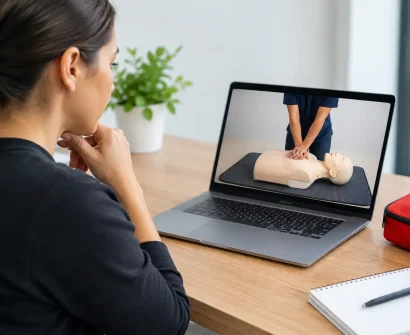
Blended learning can be an effective choice when schedules are tight. It usually combines online theory with an in-person skills session, which allows learners to complete foundational content at their own pace while still practicing critical techniques face to face. For busy professionals and working parents, this format can make training more realistic without losing the practical component.
If you are renewing a credential, the right path may differ again. Renewal and recertification courses are designed for learners who already have a foundation and need to maintain compliance. That does not mean they are just a formality. Skills fade when they are not used, and refresher training helps restore speed, accuracy, and confidence.
What makes a course worth your time
Not all training experiences are equal. A course is worth your time when it gives you clear instruction, recognized certification where applicable, and realistic skills practice that reflects what emergencies look like outside a classroom.
Look for training that is specific about course outcomes, duration, and format. If certification matters for your job, make sure the program meets the required standard. If your goal is family or community readiness, prioritize practical teaching over flashy claims.
Instructor quality also matters more than many people expect. A dependable instructor keeps the class organized, explains not just what to do but why it matters, and creates space for questions without making the material feel overwhelming. Good first aid education is serious, but it should still feel accessible.
Providers that serve both professionals and the public, such as Save a Life, often understand this balance well. They know how to deliver credential-based training without losing sight of the real reason people sign up – to be ready when someone needs help.
The real value is confidence you can use
People sometimes hesitate to register because they worry they will forget the material or freeze in an actual emergency. That concern is normal. Training does not remove stress from a crisis, but it does change how you meet it.
When you have practiced assessments, talked through scenarios, and used the equipment in a supervised setting, your response becomes more structured. You are more likely to notice the right details, call for help quickly, and start appropriate care instead of standing by uncertainly.
That confidence is not bravado. It is competence built through repetition and guidance. In first aid, that kind of confidence protects lives.
An emergency first aid course is not only for people in uniforms, clinics, or designated safety roles. It is for anyone who understands that emergencies happen in ordinary places and that preparation is one of the most practical forms of care. If you have ever hoped someone nearby would know what to do, training is your chance to become that person.