
Currently Empty: $0.00
A cardiac emergency rarely gives you time to think through your next step. That is exactly why a Heartsaver CPR AED course matters. It gives everyday people and workplace responders a clear, practiced response for those first critical minutes before EMS arrives.
For many students, the biggest question is not whether CPR training is valuable. It is which course fits their role, schedule, and level of responsibility. The Heartsaver CPR AED course is designed for non-clinical learners who need practical skills, recognized training, and the confidence to act under pressure.
Who the Heartsaver CPR AED Course Is For
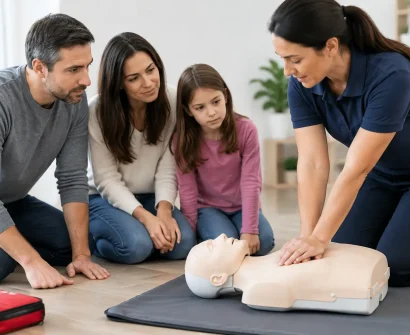
This course is built for people who are expected to respond in public, workplace, school, fitness, childcare, or home settings, but who are not functioning as healthcare providers. That includes teachers, coaches, personal trainers, office staff, security personnel, daycare workers, parents, and community members who want to be ready when an emergency happens.
That distinction matters. If your job or license requires provider-level resuscitation training for clinical care, a BLS course is usually the better fit. The Heartsaver CPR AED course focuses on lay rescuer response rather than healthcare team-based intervention. It is practical, direct, and centered on real-world emergencies outside a hospital setting.
For employers, this course often fits workplace safety goals and compliance needs. For individuals, it fills a different need – the ability to respond when someone at home, in a gym, at a school event, or in a public space suddenly collapses.
What You Learn in a Heartsaver CPR AED Course
A strong training course does more than help you pass a skills check. It teaches you how to recognize an emergency quickly, make safe decisions, and begin care without freezing.
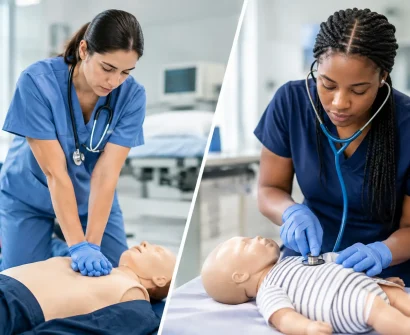
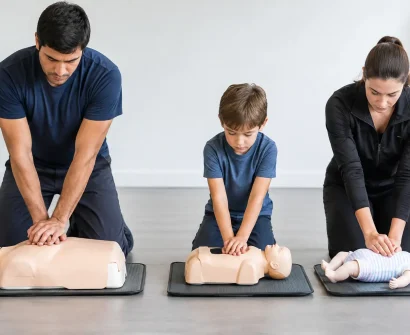
In most Heartsaver CPR AED course formats, students learn adult CPR, how to use an automated external defibrillator, and what to do when someone is choking. Many classes also include child and infant CPR and choking response, depending on the course option selected. That is an important detail to check before registration because not every learner needs the same age-level content.
The course usually emphasizes a sequence that is easy to remember under stress. You assess the scene, confirm responsiveness, call for help, start compressions when appropriate, and use the AED as soon as it is available. That sounds simple on paper. In a real emergency, it only feels manageable if you have practiced it.
Students also learn where hesitation tends to happen. People worry about doing CPR incorrectly, using an AED the wrong way, or hurting the person. Good instruction addresses those concerns head-on. The reality is that in sudden cardiac arrest, immediate action gives the best chance of survival. Training helps replace panic with a clear process.
Why Hands-On Practice Matters
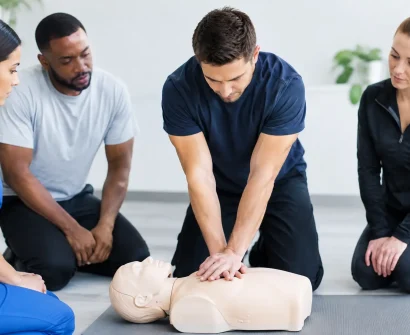
Reading about CPR is not the same as performing it. You can understand the steps and still feel uncertain when it is time to press hard and fast on a manikin, attach AED pads, or respond to a simulated choking emergency.
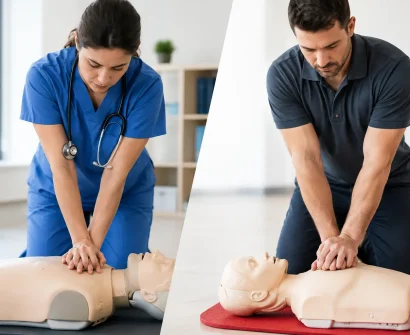
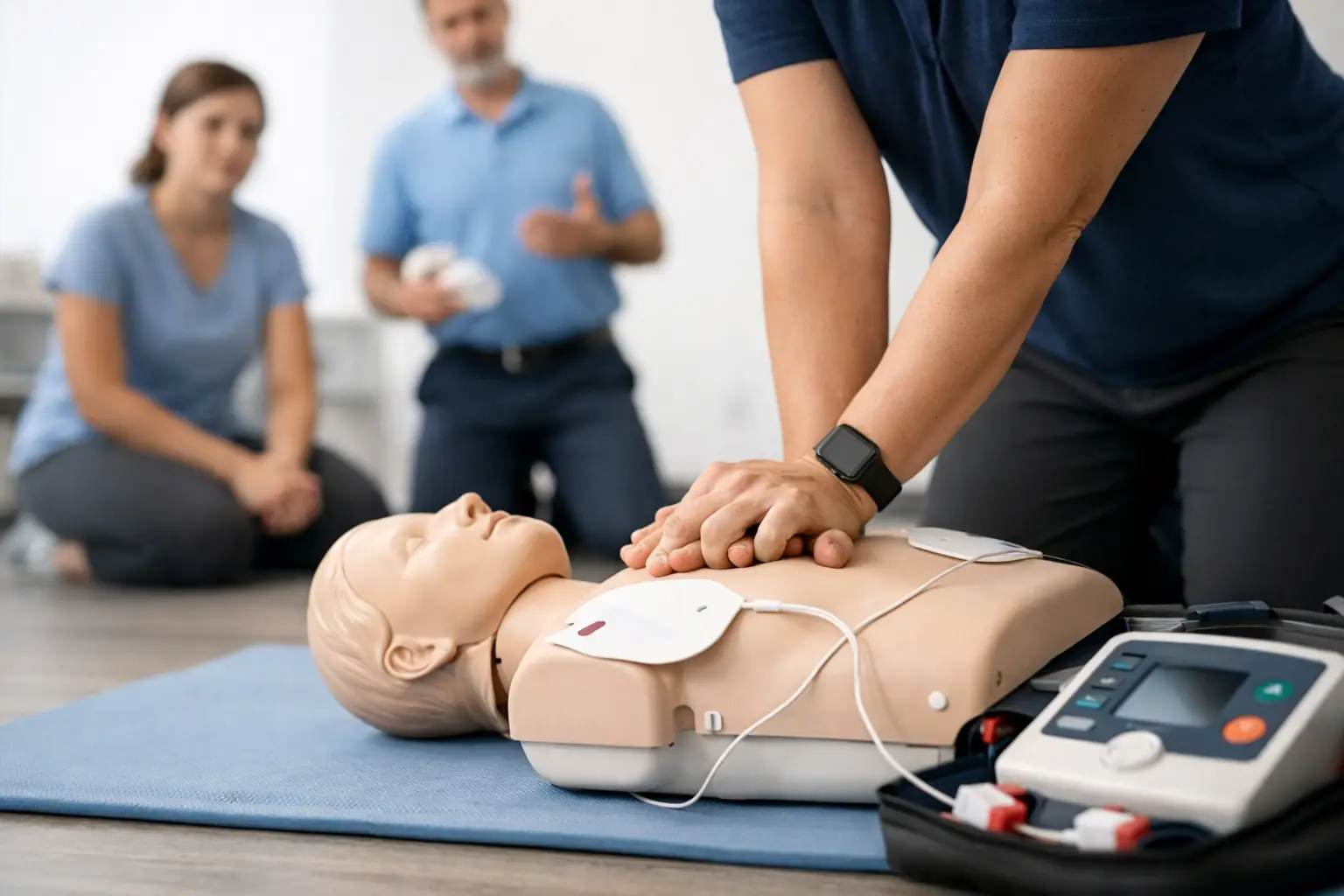
That is why hands-on training remains one of the strongest parts of a Heartsaver CPR AED course. Students build muscle memory, not just recall. They learn how deep compressions should feel, how quickly the sequence moves, and how to follow AED prompts without losing time.
This is also where confidence starts to become realistic rather than theoretical. A course should leave you better prepared, but it should also make clear that emergencies are stressful. The goal is not perfection. The goal is prompt, effective action.
In-Person vs Blended Learning
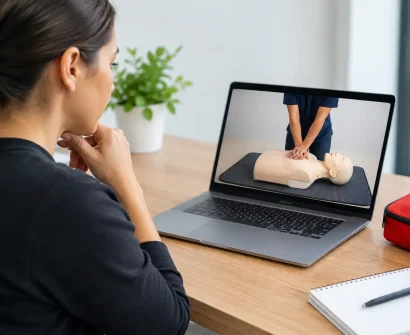
One of the most common decisions students face is format. Some prefer a fully in-person class because they want live instruction from start to finish. Others choose blended learning, where the knowledge portion is completed online and the hands-on skills session happens in person.
Both options can work well, but the right choice depends on how you learn best and what your schedule allows. In-person training can be helpful for first-time students who want more direct guidance and the ability to ask questions as they go. Blended learning can be a strong option for busy professionals, parents, or staff teams that need more flexibility.
The trade-off is straightforward. Online coursework adds convenience, but it also requires self-discipline. If you tend to retain information better in a classroom setting, a fully in-person course may feel more supportive. If your schedule is the biggest barrier to getting certified, blended learning may be the reason you complete the training at all.
How Long the Course Takes
Course length varies based on format and content selection. A class that covers adult CPR and AED only may take less time than one that also includes child and infant modules. Blended courses split the time between online learning and an in-person skills session, so the experience feels different even when the certification outcome is similar.
This is worth reviewing before you register, especially if your employer needs proof of completion by a certain date. Shorter does not always mean better. A course should give enough time for instruction, repetition, and skills evaluation so you leave ready to respond, not just checked off on paper.
What Certification Means and Why It Matters
For many learners, certification is the reason they enroll. An employer may require it. A school, childcare setting, fitness facility, or volunteer organization may ask for current credentials. In those cases, choosing a recognized program matters.
Certification also provides structure. It confirms that you completed training aligned with established standards and successfully demonstrated the required knowledge and skills. That matters for workplaces, but it also matters personally. When an emergency happens, people want to know they were trained in a way that prepared them for more than a quiz.
Still, not every certification need is the same. If you are a nurse, physician, paramedic, or other clinical provider, this course may not meet your professional requirements. If you are a parent, teacher, coach, or workplace responder, it may be exactly the right fit. Matching the course to the role is the key decision.
How to Know If This Is the Right Course for You
Start with the setting where you are most likely to use the training. If you need to respond in a school, office, gym, community program, or home environment, the Heartsaver CPR AED course is often the right starting point. It is designed for people who need practical response skills without the broader clinical scope of provider-level resuscitation programs.
Next, look at whether you need adult-only content or a course that includes child and infant response. Parents, childcare workers, teachers, and camp staff often need all age groups covered. A corporate office team may only need adult CPR and AED training. The difference affects both course length and course selection.
Finally, think honestly about your comfort level. First-time students often benefit from an environment that allows questions, repetition, and instructor feedback. Experienced learners renewing a workplace credential may already know the flow and prefer the efficiency of a blended option. It depends on your background, your deadline, and how much support you want during training.
What Good Training Should Feel Like
The best CPR education is clear, structured, and realistic. It should not overwhelm students with medical jargon, and it should not water down the seriousness of the skill. You want instruction that respects the stakes while still making the process approachable.
A dependable training provider will explain course options clearly, identify who each program is meant for, and make the registration path simple. Just as important, the class itself should focus on skill quality, not speed alone. A fast course is only useful if students leave able to respond.
That practical approach is what many learners are looking for when they train with Save a Life. They do not just want a card. They want to know what to do when every second counts.
Choosing a Heartsaver CPR AED course is really choosing to be the person who steps forward instead of standing back. You hope you never need it, but if that moment comes, preparation is what turns hesitation into help.