
Currently Empty: $0.00
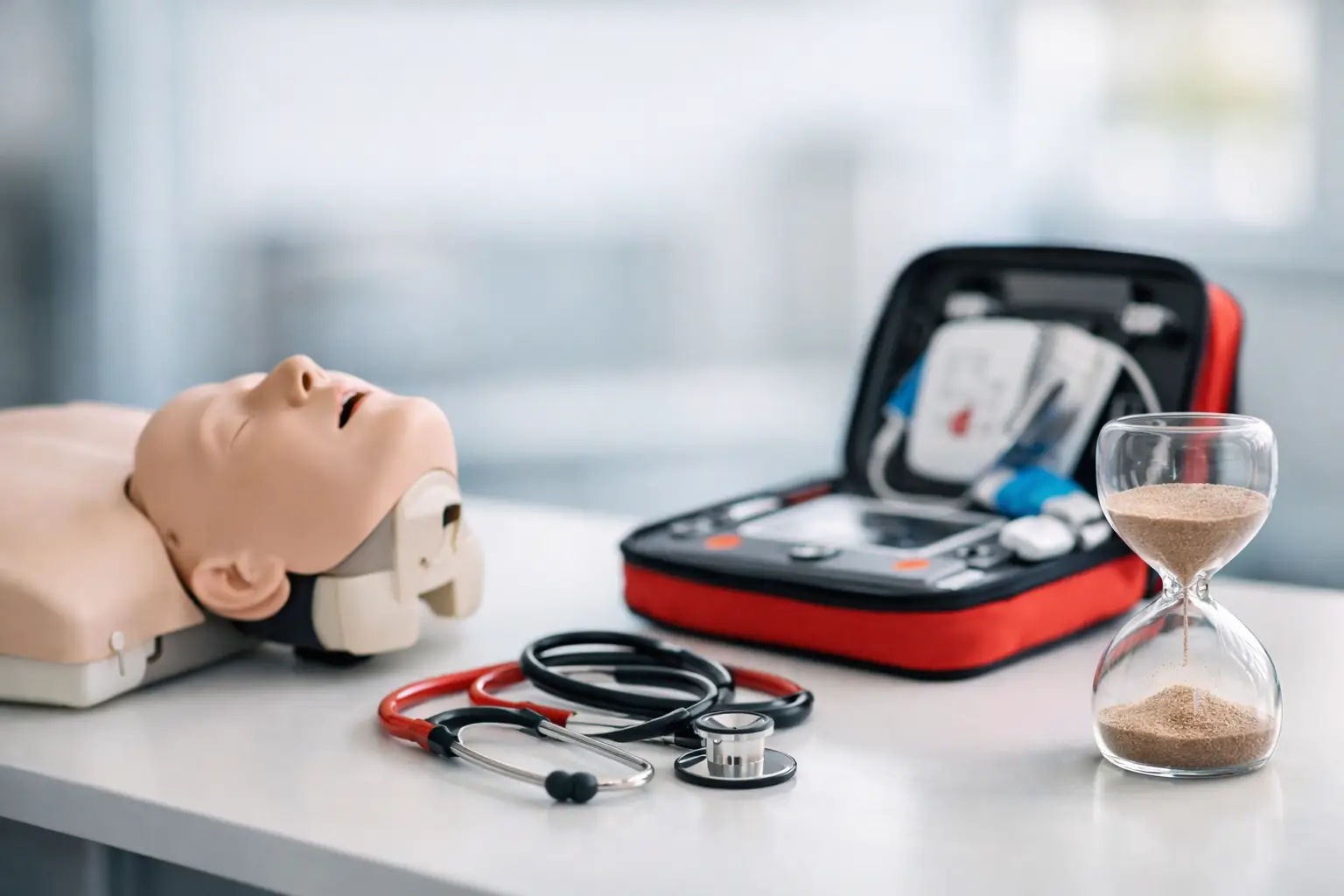
A BLS credential is more than a card in a wallet. For healthcare professionals, it may be required to work, maintain clinical privileges, or meet licensing expectations. For caregivers, teachers, and community members, it represents the ability to act quickly when someone stops breathing or has no pulse. So, how long does BLS certification last? In most cases, BLS certification is valid for two years from the date of course completion.
That two-year timeline is common, but it is not the only detail that matters. The organization that issued your certification, your employer’s policies, and the type of role you perform can all affect when you need to train again. Knowing your expiration date before it becomes urgent helps you protect both your credentials and your readiness.
How Long Does BLS Certification Last?
Basic Life Support, or BLS, certification typically lasts two years. This is the standard renewal cycle used by many recognized training organizations and accepted by hospitals, clinics, emergency services, and other healthcare workplaces.
Your certification card or digital record should show an issue date and an expiration date. Do not assume the credential remains active through the end of the calendar month unless your card specifically says so. If it expires on a particular date, plan to complete your renewal before that day.
BLS courses cover high-quality CPR, use of an automated external defibrillator (AED), relief of choking, and team-based response skills. Because these skills are hands-on and time-sensitive, periodic renewal is designed to make sure providers can still recognize an emergency, follow current guidelines, and perform each step effectively.
Why the Two-Year Renewal Cycle Matters
CPR and emergency response are physical skills. Even experienced professionals can lose speed, confidence, and accuracy when they do not practice them regularly. Compression depth, rate, hand placement, ventilation technique, AED use, and team communication all matter during a cardiac emergency.
Guidelines can change as resuscitation science develops. A renewal course gives learners a structured chance to review current recommendations rather than relying on what they learned years ago. It also provides an instructor-led opportunity to correct small technique issues before they become habits.
For professionals, an expired BLS credential can create immediate workplace complications. A hospital, dental office, long-term care facility, ambulance service, or childcare employer may remove an employee from certain duties until their certification is current. Some organizations require proof of renewal before a schedule can be finalized or a contract can be renewed.
For non-clinical learners, the reason is equally practical. A parent or teacher may never need to use CPR, but if an emergency occurs, current training can make it easier to respond with purpose instead of hesitation.
Your Employer May Have a Different Requirement
Although two years is the usual certification period, employers can set stricter internal requirements. Some workplaces ask staff to complete annual CPR skills reviews, mock-code training, or short competency checks in addition to maintaining a current BLS card.
This does not necessarily mean your two-year certification is no longer valid. It means your workplace wants more frequent practice because of the risks and responsibilities associated with your role. Nurses in high-acuity units, emergency responders, and staff who work with medically vulnerable patients may encounter these expectations more often.
Before registering for a course, check which credential your employer, school, state board, or licensing body accepts. Ask whether you need a full BLS Provider course, a renewal course, or an approved blended-learning format with an in-person skills session. The right course is the one that meets the requirement and gives you practical confidence.
Renewal Courses vs. Full BLS Courses
If your current BLS certification has not expired, you may be eligible for a renewal or recertification course. These programs usually move efficiently through the required material while still assessing the same essential skills: adult, child, and infant CPR; AED use; choking response; and team-based resuscitation.
A renewal course is not a shortcut around competence. Learners are still expected to demonstrate correct technique and pass the required knowledge and skills evaluations. It is best for people who have completed BLS training before and need to keep their credential active.
If your card has already expired, many employers and training providers will require a full provider course instead. Policies vary, and some may allow a short grace period while others will not. Waiting until the final days before expiration can leave you with fewer course options, especially if you need an in-person skills evaluation.
When Should You Renew BLS Certification?
A good rule is to start planning your renewal 30 to 60 days before your expiration date. That gives you time to confirm the course requirements, choose a format that fits your schedule, and reschedule if an unexpected conflict arises.
Do not wait for your employer to remind you. Keep a copy of your card in a secure place, add the expiration date to your calendar, and set more than one reminder. For example, set an initial reminder two months before expiration and a second reminder two weeks before.
Early renewal is especially helpful for healthcare workers whose employers have limited compliance windows. It can also reduce stress for students entering clinical placements, new hires completing onboarding, and professionals who need documentation before a licensing deadline.
Does Renewing Early Reset the Expiration Date?
Usually, a new BLS certification period begins on the date you complete and pass your renewal course. It does not typically extend from the previous expiration date. That is why renewing a few weeks early is sensible, while renewing many months early may not be necessary unless your employer directs you to do so.
The exact date printed on your new certification is what matters. Review it before leaving the training session or once you receive your digital record.
What Happens If Your BLS Certification Expires?
An expired BLS card means you should not represent yourself as currently certified. If your role requires BLS, notify the appropriate supervisor and enroll in the correct course as soon as possible. Do not assume that prior experience or an old card will satisfy a workplace audit.
The practical impact depends on your job and local requirements. Some workplaces may permit you to work in a limited capacity while you schedule training. Others may suspend clinical responsibilities, delay your start date, or require you to complete a full initial course before returning to work.
There is also a readiness issue. An expired credential does not mean you have forgotten everything, but it does mean you are overdue for formal practice and updated assessment. In an emergency, having recently reviewed the sequence of care can help you move faster and work more effectively with others.
Choosing the Right BLS Format
BLS training may be offered in person or in a blended format. In-person courses combine instruction, practice, and testing in one setting. Blended learning generally lets you complete the knowledge portion online before attending an instructor-led skills session.
For busy professionals, blended learning can be convenient. However, it must include the required hands-on assessment to meet most workplace standards. A course completed entirely online without a practical skills check may not be accepted by an employer that requires a recognized BLS provider credential.
When choosing a course, confirm the issuing organization, expected completion time, skills-session requirement, and whether the training is accepted for your profession. Save a Life offers practical, certification-based training designed to help learners build skills they can use when seconds matter.
Keep Your Skills Active Between Certifications
Your card may be valid for two years, but your confidence should not sit untouched for two years. Review your emergency response plan at work and at home. Know where the AED is located, understand how to activate emergency response procedures, and take opportunities to participate in drills or skills practice.
If you work as part of a care team, practice clear communication. During a resuscitation, direct statements such as “Call 911,” “Bring the AED,” and “Switch compressors” reduce confusion and help the team act quickly. For family members and caregivers, simply reviewing how to call for help, start CPR, and use an AED can make the first moments of an emergency less overwhelming.
Schedule your BLS renewal before your current card expires, then carry the confidence that comes from training you have practiced, not just training you completed.