
Currently Empty: $0.00

A successful ACLS provider renewal is not just about keeping a credential active. It is a chance to rehearse the decisions that must happen quickly when a patient is in cardiac arrest, develops an unstable arrhythmia, or deteriorates without warning. For healthcare professionals, the value of renewal training is measured in more than a completion card. It is measured in calm communication, accurate clinical judgment, and the ability to contribute effectively when every second matters.
Advanced Cardiac Life Support is designed for professionals who work in, or may respond to, high-acuity clinical emergencies. Whether you are a nurse, physician, paramedic, respiratory therapist, pharmacist, dental professional, or another member of the healthcare team, renewal training helps reconnect knowledge with action. The goal is to leave ready to recognize a problem, follow an organized approach, and work with the team around you.
Why ACLS Provider Renewal Deserves Your Full Attention
ACLS algorithms offer a structured response to complex emergencies, but a real event rarely feels as neat as a flowchart. The room may be crowded. Information may be incomplete. A monitor rhythm can change quickly, and team members may arrive at different moments with different responsibilities. Renewal courses create a focused environment to practice managing that pressure before it becomes real.
The course is also an opportunity to correct habits that can develop over time. Even experienced clinicians benefit from revisiting high-quality CPR, early defibrillation, medication timing, airway considerations, and post-cardiac arrest care. Guidelines, course materials, and local procedures can change, while the fine details of an algorithm may fade when they are not used regularly.
Renewal is especially valuable because it emphasizes team dynamics. In an emergency, technical knowledge alone is not enough. Teams need a clear leader, closed-loop communication, defined roles, regular reassessment, and the confidence to speak up when something is missed. Those skills protect patients and help make a stressful response more organized for everyone involved.
Know When You Are Eligible to Renew
Many ACLS provider credentials are valid for a defined period, often two years, but requirements can vary by certifying organization, employer, professional college, hospital, or clinical setting. Do not wait until the last week before expiration to confirm what applies to you. A lapse may affect scheduling, placement eligibility, or workplace requirements.
Before registering, review the expiration date on your current provider card and confirm that the course you choose is accepted by your employer or licensing body. Some renewal formats require a current or recently expired ACLS credential, while others may direct learners with an expired card to a full provider course. Policies around grace periods are not universal, so it is worth verifying rather than assuming.
You should also check whether you need a current Basic Life Support credential. ACLS builds on strong BLS performance, particularly high-quality chest compressions, appropriate ventilation, rapid use of an AED or defibrillator, and coordinated team response. If your BLS card is due for renewal as well, planning both courses early can prevent a last-minute problem.
Prepare Before Your ACLS Provider Renewal Course
A renewal class moves at a purposeful pace. It is intended to refresh and assess previously learned skills, not introduce every concept for the first time. Reviewing ahead of time allows you to spend more of the hands-on session thinking critically, asking useful questions, and practicing your role within a team.
Start with the course materials provided by your training organization. Focus on the adult cardiac arrest algorithm, bradycardia and tachycardia pathways, acute coronary syndromes, stroke care, and post-cardiac arrest management. Do not try to memorize isolated medication doses without understanding the clinical situation that drives each decision. Ask yourself what signs make a rhythm unstable, when synchronized cardioversion may be considered, and when immediate defibrillation is needed.
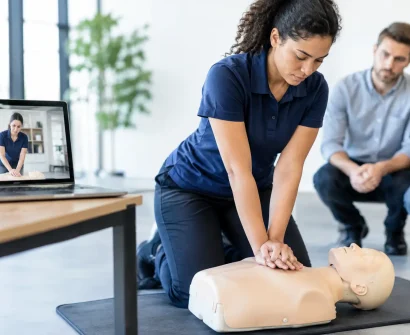
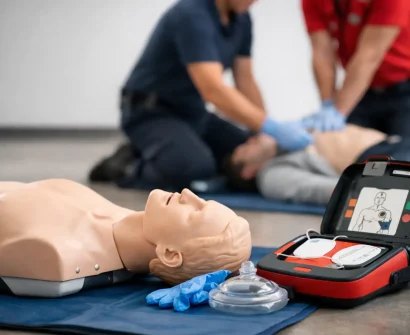
It also helps to revisit the basics that support every advanced intervention. Effective compressions, minimizing interruptions, proper pad placement, ventilation technique, rhythm recognition, and prompt reassessment are not minor details. They are core actions that shape the quality of resuscitation.
Use a simple preparation checklist:
- Confirm your current certification status and the renewal eligibility rules.
- Complete any required online modules, pre-course work, or assessments before class.
- Review the algorithms and medication information in the approved course materials.
- Arrive prepared to participate in hands-on scenarios, skills testing, and team communication.
If you have not worked in a code situation recently, that does not mean you are unprepared for renewal. It simply means you should give yourself time to study and ask questions. Good training is meant to build confidence through practice, not make participants feel judged for needing a refresher.
What Strong Performance Looks Like in Class
In ACLS training, instructors are looking beyond whether you can name an algorithm. They want to see whether you can apply it in a changing clinical scenario. Strong performance means recognizing arrest or instability promptly, beginning high-quality care without unnecessary delay, and adapting as new information becomes available.
Communication matters just as much as clinical recall. If you are asked to lead a scenario, give direct assignments: identify who is compressing, who is managing the airway, who is tracking time and medications, and who is preparing the defibrillator. Ask team members to repeat back critical instructions. This closed-loop communication reduces ambiguity and helps confirm that a task has been heard and completed.
If you are not the team leader, remain actively engaged. State relevant observations clearly, such as a rhythm change, a delayed medication, or a long interruption in compressions. A respectful, timely comment can improve the response. ACLS is a team-based discipline, and effective teams make room for every qualified voice.
Expect feedback during practice. An instructor may pause a scenario to address compression quality, clarify an intervention, or help the group work through a difficult rhythm. Treat those moments as part of the learning process. The purpose is to reinforce actions that carry over into clinical practice.
Common Renewal Mistakes to Avoid
The most common mistake is treating renewal as a paperwork task. When learners arrive without reviewing the material, they may spend the course trying to remember details instead of applying them. A short, focused review beforehand makes the experience more productive and less stressful.
Another mistake is concentrating on medications while overlooking the basics. In cardiac arrest, high-quality CPR and early defibrillation when indicated remain central priorities. Advanced medications and airway interventions are important, but they should support – not distract from – the actions that have the greatest immediate impact.
Some participants also hesitate to communicate during a scenario because they are worried about being wrong. In practice, silence can allow confusion to continue. Renewal is the right place to ask, clarify, and practice speaking with confidence. A well-run code depends on team members who communicate early and respectfully.
Finally, avoid choosing a course based only on the earliest available date. Make sure the training format, certification, and prerequisites meet your professional requirements. A convenient course is useful only if it is accepted where you work or study.
Turning Renewal Into Everyday Readiness
Your ACLS provider renewal course should strengthen how you respond long after class ends. Keep the material active by reviewing key algorithms periodically, participating in workplace mock codes, and discussing emergency roles with your team. Short, regular practice often supports retention better than trying to relearn everything just before the next renewal date.
Consider your own practice environment as well. A hospital code team, dental office, outpatient clinic, long-term care setting, and urgent care center may have different equipment, staffing patterns, escalation procedures, and access to advanced interventions. The ACLS framework remains valuable, but its application must fit the resources and protocols of the setting. Knowing where the crash cart is, how to call for help, and who performs each role can make a meaningful difference.
For healthcare teams throughout Laval and the Greater Montreal area, practical, instructor-led renewal training offers a setting to reconnect clinical knowledge with coordinated action. Save a Life First Aid & CPR Training supports participants through hands-on learning that keeps the focus where it belongs: responding capably when a patient needs immediate care.
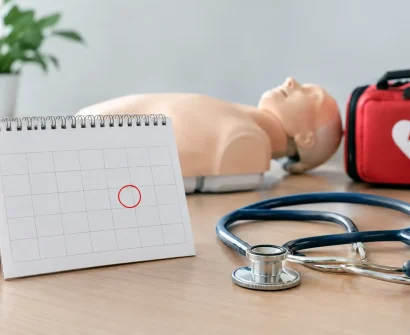
A renewal date on your calendar is a reminder of a serious responsibility, but it can also be an empowering one. Prepare early, participate fully, and leave each practice scenario with one question in mind: if this happened in my care area tomorrow, would I know what to do first?