
Currently Empty: $0.00
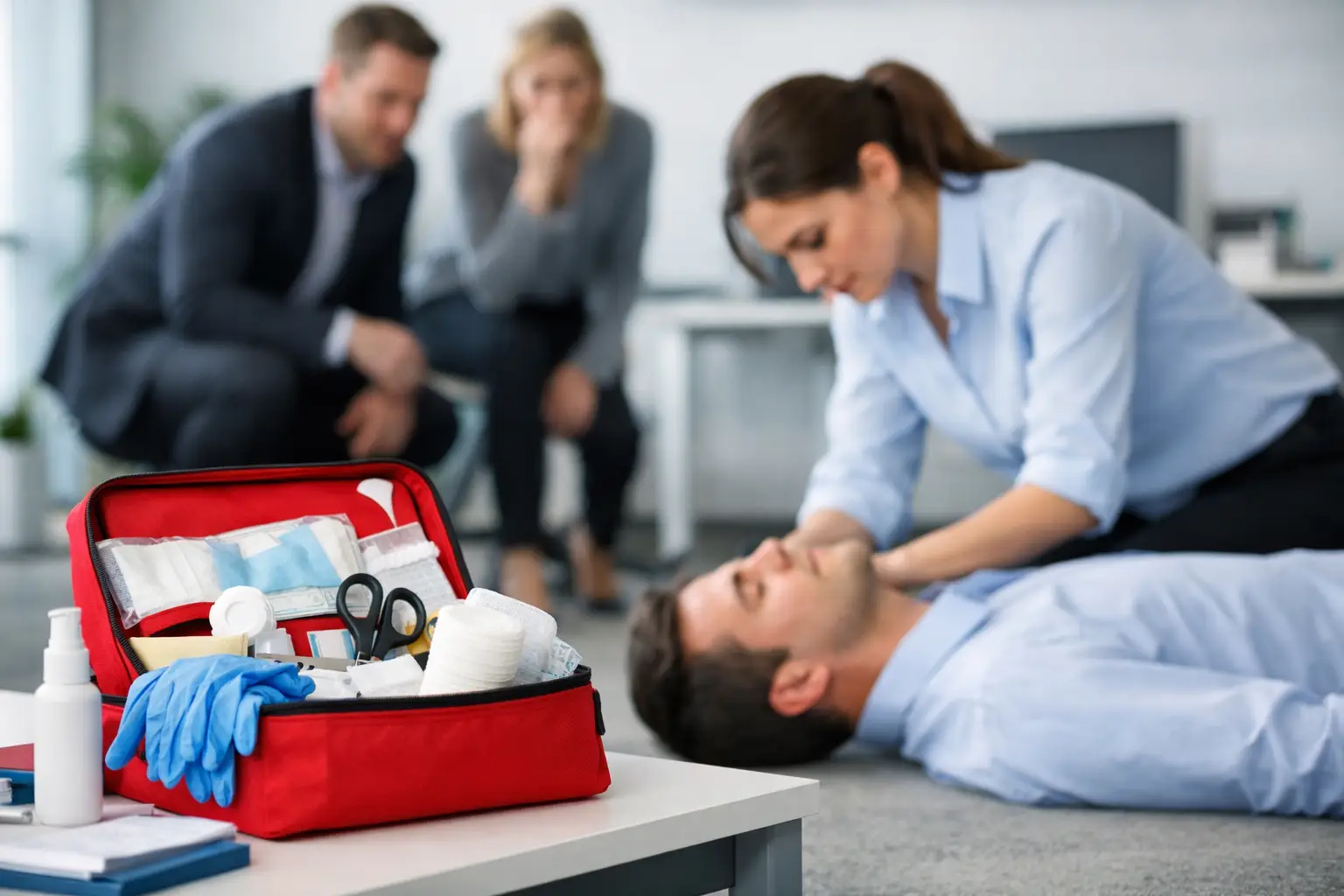
A colleague suddenly collapses in the break room. A customer slips near an entrance. A worker has a severe allergic reaction after lunch. In these moments, why businesses in Laval should invest in workplace first aid training becomes more than a question of policy or compliance. It becomes a question of whether someone nearby can recognize the emergency, call for help, and take the right first steps before paramedics arrive.
Workplace first aid training gives people practical skills for an unpredictable moment. It also gives employers something just as valuable: a team that can respond with greater calm, coordination, and care when a medical emergency interrupts an ordinary workday.
Workplace emergencies rarely happen on a convenient schedule
Medical emergencies do not only occur in hospitals, construction sites, or high-risk industries. A cardiac arrest, choking incident, severe bleeding injury, seizure, diabetic emergency, burn, or fall can happen in an office, retail store, warehouse, school, restaurant, fitness center, or daycare.
The risks vary by workplace. A manufacturing operation may need to prepare for machinery-related injuries, while a professional office may be more focused on sudden illness, slips and falls, or cardiac events among employees and visitors. A child care setting has different concerns again, including choking, allergic reactions, and pediatric emergencies. The common factor is that every workplace brings people together for long periods of time, and emergencies can develop before professional help is on scene.
First aid training does not turn employees into healthcare professionals. It prepares them to identify danger, protect themselves and others, contact emergency services, and provide appropriate care within the limits of their training. That early response can reduce harm and make a critical difference during the minutes that follow an incident.
Why Laval businesses need workplace first aid training
For a business, first aid preparation is both a human responsibility and an operational decision. Employees want to know their employer takes their well-being seriously. Clients, visitors, students, and families notice the same thing. A workplace that has trained responders, accessible first aid supplies, and a clear emergency process sends a practical message: people matter here.
Training can also help prevent a manageable incident from becoming more serious. A trained employee may know how to control bleeding, assist a choking person, use an AED, recognize warning signs of stroke or heart attack, or place someone in a safe position while waiting for emergency responders. Those actions are not dramatic gestures. They are proven, immediate steps that help protect a person when time matters most.
There is a business continuity benefit as well. During an emergency, untrained teams may panic, crowd the person in distress, give conflicting instructions, or lose time looking for supplies and deciding who should call 911. Training creates role clarity. One person calls emergency services, another retrieves the first aid kit or AED, another meets responders, and others keep the area safe and private.
Meeting responsibilities without treating training as a checkbox
Quebec workplaces may have first aid obligations that depend on the size of the establishment, the nature of the work, and applicable occupational health and safety requirements. Employers should review the requirements that apply to their operations and ensure they have the appropriate number of trained first aid responders, equipment, and procedures.
However, meeting a minimum requirement should be the starting point, not the finish line. A certificate on file does little if the designated responder is always off-site, works a different shift, or has not practiced the skills in years. Effective preparation considers the real conditions of the workplace: operating hours, multiple floors, isolated workers, public access, language needs, and the distance from emergency medical services.
A retail business open evenings and weekends, for example, should avoid relying on a single trained employee who works weekday mornings. A company with employees who travel between sites needs a different plan than a fixed office. In higher-risk environments, additional training, more responders, or specialized equipment may be appropriate. The right level of preparation depends on the setting.
Confidence comes from hands-on practice
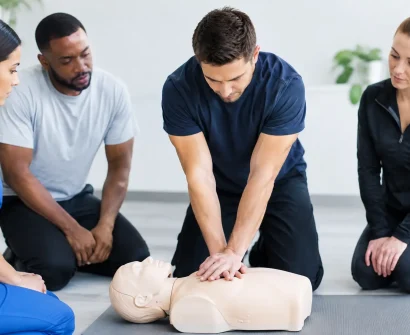
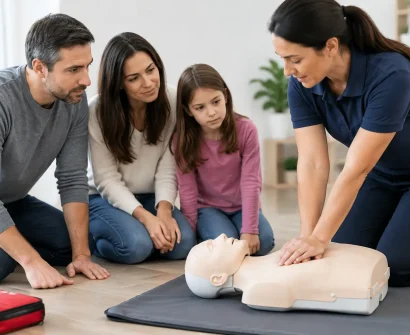
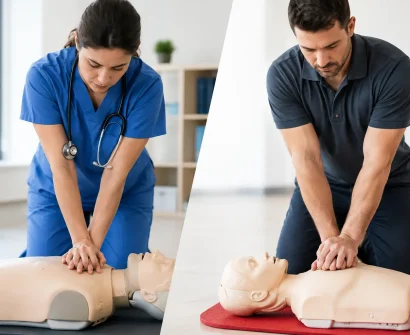
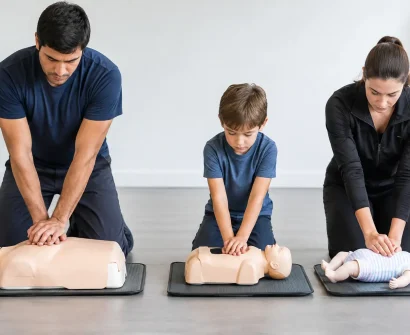
Reading about CPR is not the same as kneeling beside a person and practicing the correct hand position, compression depth, and rhythm. Watching a video about choking does not provide the same readiness as rehearsing the steps with an instructor. That is why hands-on learning remains central to meaningful first aid education.
Quality workplace training lets participants ask questions, work through realistic scenarios, and practice the sequence of actions they would use in a real emergency. They learn how to assess scene safety, use personal protective equipment, communicate with emergency dispatchers, and work as a team rather than trying to remember isolated facts.
This practice matters because hesitation is common. People may worry about doing something wrong, hurting the person, or overreacting. Training replaces some of that uncertainty with a simple framework: check the scene, assess the person, call for help, and provide care based on what is happening. It also reinforces an essential lesson: acting within one’s training and calling emergency services quickly is far better than standing by without a plan.
CPR and AED training can change the response to cardiac arrest
Sudden cardiac arrest is one of the clearest reasons to include CPR and AED skills in a workplace emergency plan. When a person is unresponsive and not breathing normally, every minute without CPR and defibrillation can reduce the chance of survival.
A trained employee can begin CPR while someone else calls 911 and retrieves an automated external defibrillator. Modern AEDs are designed to provide clear voice prompts, but people are far more likely to use one quickly when they have seen and practiced the process during training.
Not every workplace needs the same equipment plan. The number of people on site, the type of facility, proximity to public AEDs, and the nature of the work all matter. Still, employers should know where the nearest AED is located, ensure staff can access it without delay, and make the location visible to employees and visitors.
Training strengthens everyday safety culture
First aid education has benefits beyond the moment someone is injured or becomes ill. It encourages employees to notice hazards, report unsafe conditions, and take early warning signs seriously. A team that understands the consequences of a fall, burn, heat-related illness, or allergic reaction is often more attentive to prevention.
It can also improve communication after an incident. Employees who know what information first responders need are better prepared to describe what happened, what care was given, and whether the person’s condition changed. Clear communication supports a smoother handoff to paramedics and can reduce confusion for managers, coworkers, and family members.
This does not mean a first aid course replaces broader health and safety programs. It works alongside hazard assessments, incident reporting, emergency evacuation planning, mental health supports, and appropriate safety equipment. First aid is one important layer in a larger culture of prevention and care.
Choose a course that matches the people and the work
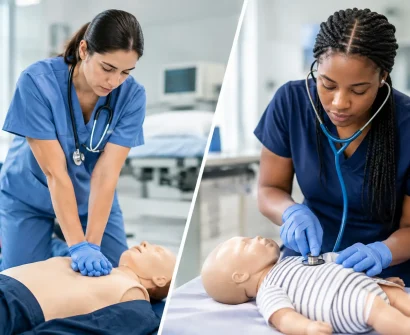
The best workplace program is not always the longest course or the most advanced certification. It is the program that fits the risks, responsibilities, and learners in your organization. A general office may benefit from Emergency or Standard First Aid with CPR and AED training. A daycare, school, or youth program may need training focused on children and infants. Healthcare and clinical teams may require BLS or advanced certification based on their role and licensing requirements.
When selecting training, employers should consider four practical questions:
- What injuries or medical emergencies are most realistic in our setting?
- How many trained responders do we need across all shifts and locations?
- Which certifications are required by our industry, contracts, or regulators?
- When will employees have time to refresh their skills before certification expires?
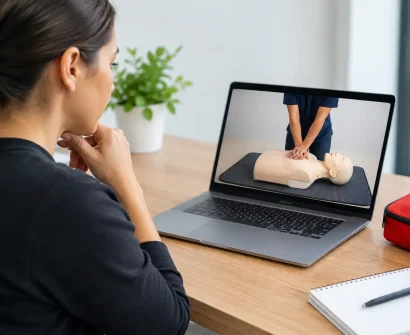
Flexible options can make participation easier. Blended learning may allow employees to complete certain knowledge components online before attending an instructor-led session for hands-on skill practice. For busy teams, scheduling training around shifts or arranging group instruction can reduce operational disruption while still preserving the practical learning that makes training effective.
Keep the plan active after certification
A workplace is not fully prepared just because a group completed a course last year. Staff change roles, new employees are hired, equipment moves, and certifications expire. A simple review process helps keep emergency readiness current.
Managers can periodically confirm who the trained responders are, where first aid kits and AEDs are located, and how employees should contact emergency services. Brief scenario discussions during safety meetings can also help. Ask what the team would do if someone collapsed at reception, suffered a severe cut in the loading area, or experienced an allergic reaction during a staff event. These conversations reveal gaps before a real emergency exposes them.
Save a Life First Aid & CPR Training helps Laval-area organizations build this kind of practical readiness through recognized, instructor-led first aid, CPR, AED, and workplace certification courses. The goal is not simply to complete a requirement. It is to help people leave training ready to act.
The next emergency may never happen at your workplace. That is the outcome every employer wants. But when an unexpected moment does occur, a trained team can offer something immediate and deeply meaningful: capable care until help arrives.