
Currently Empty: $0.00
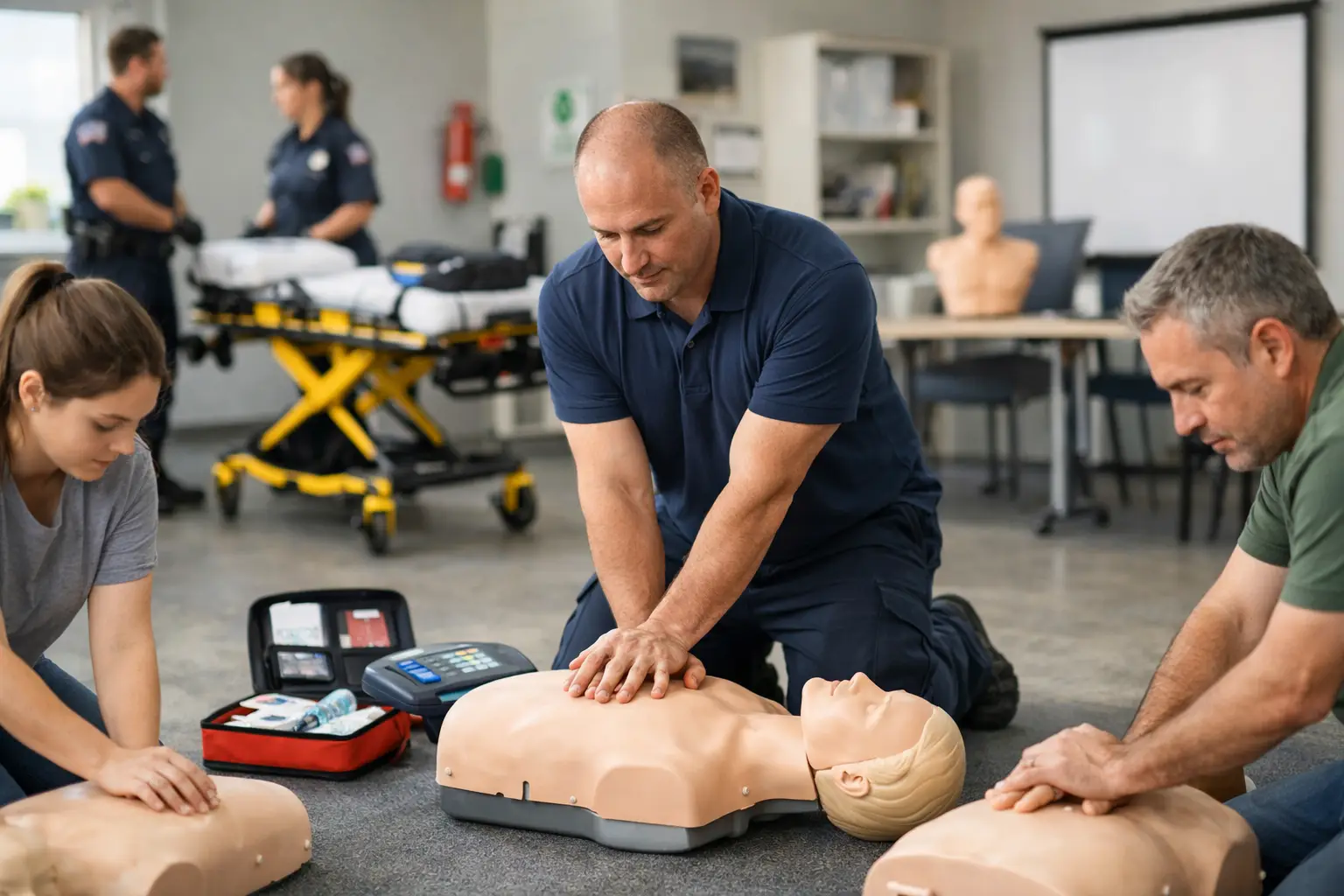
A person who suddenly collapses at home, on a field, or in a crowded store may not have time to wait for a medical professional to arrive. The 7 situations where CPR training could save a life are not rare disasters reserved for headlines. They are emergencies that can happen in families, workplaces, schools, and public spaces, often when the first person on scene is a parent, coworker, coach, or bystander.
CPR does not replace emergency medical care. It helps keep blood moving to the brain and vital organs until paramedics can take over. When cardiac arrest is suspected, fast action matters: call 911, send someone for an AED if one is available, and begin CPR if the person is unresponsive and not breathing normally. Occasional gasps can be a sign of cardiac arrest, not normal breathing.
7 Situations Where CPR Training Could Save a Life
1. A family member collapses at home
Many cardiac arrests occur at home, where the person needing help is likely to be someone close to you. A spouse may collapse after complaining of chest discomfort. An older parent may be found unresponsive in the kitchen. Someone with no known heart condition may suddenly fall while getting ready for work.
This is one of the hardest situations emotionally because panic can delay action. CPR training gives family members a clear sequence to follow: check for responsiveness and normal breathing, call 911, start chest compressions, and use an AED as soon as it arrives. You do not need to diagnose the cause of the collapse before helping.
An AED is designed to guide lay rescuers with voice prompts. It can analyze the heart rhythm and advise whether a shock is needed. CPR and early AED use work together while emergency responders are on the way.
2. A coworker becomes unresponsive at work
Workplaces bring together people of different ages, health histories, and activity levels. Cardiac arrest can occur at a desk, in a warehouse, during a meeting, or in a staff break room. It can also follow an electrical injury, a serious medical event, or a collapse related to strenuous work.
A trained workplace responder can bring order to a chaotic moment. One person can call 911, another can retrieve the AED and first aid equipment, while a trained responder begins CPR. In a larger workplace, that coordinated response can begin before a designated emergency team or paramedics arrive.
Training is especially valuable because real emergencies are rarely quiet or perfectly organized. Coworkers may be frightened, unsure who is in charge, or hesitant to touch the person. Hands-on practice builds the confidence to give direct instructions and focus on the immediate priorities.
3. An athlete collapses during practice or competition
A collapse during sports is sometimes mistaken for exhaustion, dehydration, or an injury. While those conditions can occur, a sudden collapse without contact should always be treated seriously. Cardiac arrest can affect athletes, including younger people who appeared healthy moments earlier.
Coaches, fitness instructors, teammates, and spectators should know how to recognize when an athlete is unresponsive and not breathing normally. Do not wait to see whether they “shake it off.” Activate emergency services, begin CPR, and bring the nearest AED to the scene.
Sports facilities benefit from a rehearsed emergency action plan, but a plan only works when people know their roles. CPR training helps staff and volunteers respond decisively, even when the emergency happens on a field, trail, rink, or court far from the building’s main entrance.
4. Someone is pulled from water
Drowning emergencies can happen in pools, lakes, bathtubs, and even shallow water. The immediate problem is often lack of oxygen, which makes prompt rescue breathing and CPR particularly important when a person is unresponsive and not breathing normally.
First make sure the scene is safe. Do not enter water or attempt a rescue beyond your ability, since a second victim helps no one. Once the person is removed from the water, call 911 and begin care immediately. A CPR course teaches the practical skills needed to respond, including how to work with another rescuer and when to use an AED.
Children require close supervision around water, but adults are also at risk. Alcohol, fatigue, medical conditions, and unfamiliar water conditions can all contribute to drowning. CPR knowledge is not a substitute for water safety, yet it is a critical layer of preparedness when prevention fails.
5. An overdose causes breathing to stop
An overdose can slow or stop breathing, which can quickly lead to cardiac arrest if oxygen is not restored. This may involve opioids, but it can also involve other substances or a combination of drugs and alcohol. The person may be difficult to wake, have abnormal or absent breathing, or develop bluish or grayish lips and skin.
Call 911 right away. If naloxone is available and opioid overdose is suspected, use it according to the product instructions. Naloxone can help reverse opioid effects, but it does not replace emergency care, and the person still needs monitoring.
If the person is not breathing normally, begin CPR. If they are breathing but unconscious, place them on their side when it is safe to do so and continue to watch their breathing until help arrives. CPR training prepares responders to assess the situation rather than relying on assumptions about what the person has taken.
6. A choking emergency turns into unconsciousness
A blocked airway can become life-threatening within minutes. A conscious adult or child who cannot speak, cough effectively, or breathe needs immediate choking first aid. If the person becomes unconscious, the response changes: call 911, begin CPR, and look in the mouth for an object only if you can clearly see it.
Do not perform a blind finger sweep. Pushing fingers into the mouth without seeing the obstruction can force it deeper. CPR compressions may help dislodge an obstruction, while rescue attempts and ongoing assessment keep the response moving until help arrives.
Choking is a risk for young children, older adults, and people with swallowing difficulties, but it can happen to anyone during an ordinary meal. Knowing what to do can turn a frightening family dinner or staff lunch into a fast, effective response.
7. An infant or child stops breathing normally
Emergencies involving children are deeply distressing, and their causes can differ from those seen in adults. Breathing problems, choking, drowning, severe allergic reactions, trauma, and certain medical conditions may lead to cardiac arrest in infants and children.
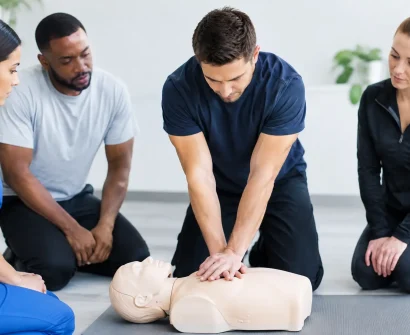
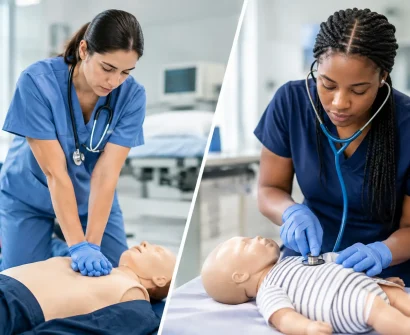
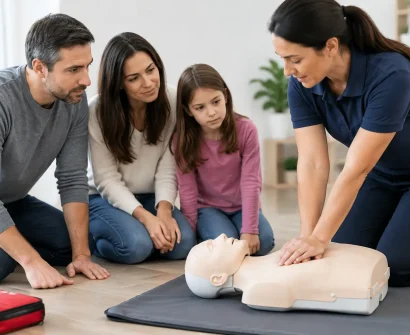
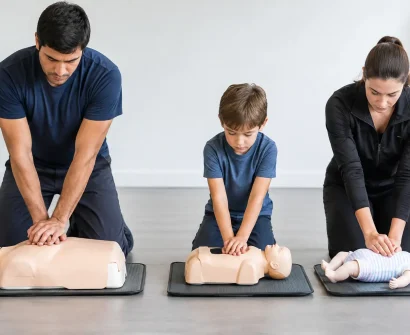
Children are not simply smaller adults. Their airway needs, body size, and common emergency patterns differ, which is why parents, caregivers, teachers, daycare staff, and babysitters benefit from training that includes infant and child CPR. The right course provides hands-on practice with age-appropriate manikins and techniques.
If a child or infant is unresponsive and not breathing normally, call 911 and start CPR. If another person is present, have them make the call and retrieve an AED while you begin care. Many AEDs have child pads or a child setting, but if those are unavailable, follow the device instructions and use the AED rather than delaying defibrillation.
Training Turns Recognition Into Action
The value of CPR training is not just learning a sequence of steps. It is learning to recognize cardiac arrest, distinguish abnormal gasping from normal breathing, use an AED without fear, and continue helping when the situation feels overwhelming. Skills should be refreshed regularly because procedures, confidence, and muscle memory can fade over time.
The best course depends on your role. A parent or community member may need a CPR and AED course that includes infant and child skills. A childcare provider may need a program that meets workplace or licensing requirements. Healthcare professionals often require Basic Life Support or advanced resuscitation training aligned with their clinical responsibilities.
At Save a Life First Aid & CPR Training, practical, instructor-led learning is designed to help participants respond with calm, capable action when seconds matter. You cannot predict who will need help. You can decide now to be ready when someone does.