
Currently Empty: $0.00

A child who is struggling to breathe can deteriorate quickly, often before a full cardiac arrest occurs. That reality is why PALS provider renewal is more than a credentialing task. It is a scheduled opportunity to revisit the clinical decisions, communication, and hands-on skills that help healthcare professionals respond calmly when pediatric patients need immediate care.
For nurses, physicians, paramedics, respiratory therapists, dental professionals, and other clinicians who work with infants and children, current PALS certification may be required by an employer, hospital, school program, or licensing body. Just as importantly, renewal helps keep a time-sensitive skill set active. Pediatric emergencies are uncommon in many settings, but when they occur, preparation matters.
When to Plan Your PALS Provider Renewal
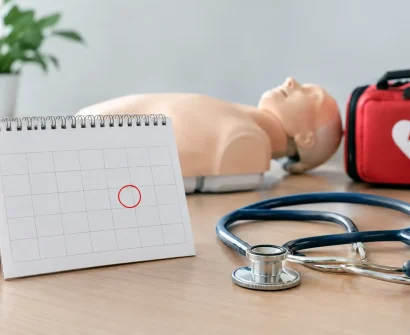
PALS Provider certification is commonly valid for two years, though participants should always confirm the expiration date on their card and review the requirements set by their employer or professional organization. Waiting until the final week can create unnecessary pressure, especially if a preferred course date is full or documentation is needed for work.
A practical approach is to begin looking for a renewal course several months before your card expires. This gives you time to verify that you meet the course prerequisites, choose a format that fits your schedule, and complete any required pre-course preparation. It also reduces the risk of a lapse in certification that could affect clinical scheduling or workplace eligibility.
Renewal eligibility usually depends on holding a current, unexpired PALS Provider card. If your certification has already expired, you may need to take the full provider course rather than a shorter renewal format. Requirements can vary by training organization and employer, so it is worth confirming your status before registering.
What a PALS Provider Renewal Course Reinforces
PALS is designed around the assessment and management of critically ill or injured infants and children. Renewal training revisits the systematic approach used to recognize respiratory distress, respiratory failure, shock, arrhythmias, and cardiac arrest. The course is not simply a review of memorized algorithms. It asks participants to connect assessment findings with the next appropriate intervention.
Pediatric emergencies can look different from adult emergencies. A child may compensate for respiratory or circulatory problems for a period of time, then decline rapidly. During renewal, participants practice recognizing early warning signs, including changes in work of breathing, mental status, skin appearance, pulse quality, and perfusion. Identifying deterioration before arrest is one of the central goals of pediatric advanced life support.
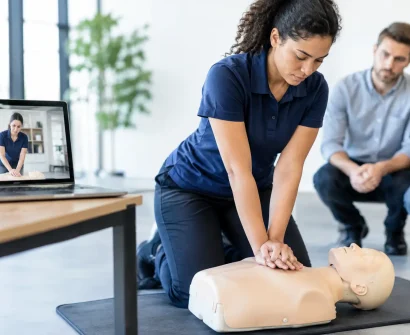
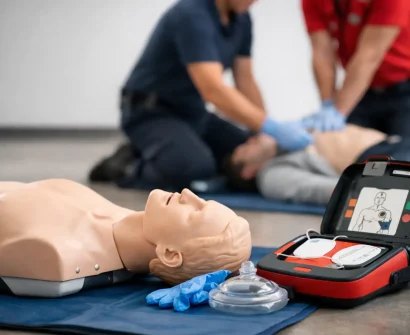
Hands-on practice also remains essential. Participants may rehearse high-quality CPR, airway management, rhythm recognition, medication considerations, defibrillation, and team-based response. Skills are practiced in scenarios that require clear roles and closed-loop communication, because treatment can be delayed when a team is uncertain about who is doing what.
The precise content and evaluation process depend on the recognized program being delivered. However, a quality renewal course should give learners meaningful time to apply pediatric assessment and resuscitation principles rather than treating the experience as a quick paperwork exercise.
Why Skills Practice Matters as Much as the Card
A current card confirms that required training has been completed. It does not automatically guarantee comfort in a high-stress emergency. Confidence comes from repeated exposure to the sequence of assessment, intervention, reassessment, and communication.
Consider a pediatric patient with worsening respiratory distress. The team must recognize the severity of the situation, provide appropriate support, monitor the child’s response, and prepare for escalation if the condition worsens. Those actions are easier to carry out when the process has been practiced recently with an instructor and a team.
Renewal training also gives experienced professionals a chance to identify habits that may need adjustment. CPR quality can drift over time. Team communication can become vague. Newer evidence-based guidelines or local protocols may change the way a workplace approaches a situation. A course creates space to ask questions, correct technique, and strengthen decision-making before a real emergency occurs.
This is particularly valuable for clinicians who do not see pediatric critical events every day. A family practice office, dental setting, outpatient clinic, school health office, or community program may rarely need advanced pediatric resuscitation. Yet staff must still be prepared to respond if a child suddenly becomes unresponsive or experiences a severe medical event.
Prepare Before Your Renewal Course
Preparation helps you get more from the classroom and skills session. Start by confirming that your current PALS Provider card is still valid and that the renewal course is appropriate for your professional requirement. Bring any requested documentation and complete assigned pre-course work by the deadline.
It is also helpful to refresh key concepts before arriving. Review pediatric assessment, common respiratory and circulatory problems, and the flow of core resuscitation algorithms. You do not need to arrive with every detail memorized, but a basic review allows you to spend more course time thinking through scenarios instead of trying to recall the foundation.
Come ready to participate. Renewal courses involve discussion, skills practice, and testing because these components reflect the demands of an actual pediatric emergency. Ask the instructor about situations you encounter in your own role, whether that is a clinical unit, ambulance service, dental office, or childcare environment. The most useful training connects established guidelines with the realities of your practice setting.
Choosing the Right PALS Renewal Format
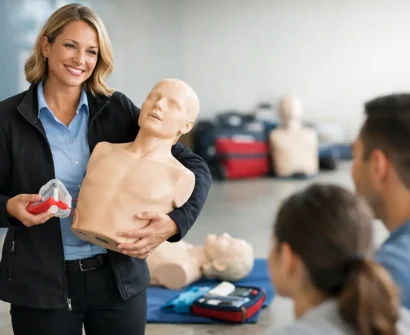
The right course format depends on your schedule, learning preferences, and certification requirements. Some learners prefer a fully instructor-led classroom experience because it offers real-time discussion and structured practice. Others benefit from blended learning, completing designated online material before attending an in-person skills session.
Blended options can be convenient, but the hands-on portion should never be treated as secondary. Pediatric resuscitation requires more than reading or watching modules. Learners need the chance to perform compressions, work through team scenarios, handle equipment, and receive direct feedback.
When comparing courses, look beyond the date and duration. Confirm the credential being issued, the renewal eligibility requirements, the amount of hands-on practice, and whether the course meets your employer’s standards. If you work in a regulated or hospital-based setting, check with your manager or education department before enrolling. The fastest option is not always the right option if it does not satisfy workplace requirements.
At Save a Life First Aid & CPR Training, participants can strengthen their emergency response skills through practical, instructor-led education designed to support confident action when it matters most.
Keep Your Pediatric Emergency Readiness Active
PALS renewal is a useful milestone, but preparedness should continue between certification dates. Discuss emergency procedures with your team, know where pediatric equipment is located, and take part in workplace drills when they are available. A few minutes spent reviewing roles and resources can make a meaningful difference during a high-pressure event.
If your work involves children, do not let an approaching expiration date become a last-minute problem. Schedule your renewal early, arrive prepared to practice, and use the course to sharpen the skills that help protect young patients when every second counts.