
Currently Empty: $0.00

A medical emergency does not pause while someone decides whether they are qualified to help. Choosing between BLS vs Heartsaver CPR before an emergency happens gives you the right skills, the appropriate certification, and greater confidence to act. The best course is not simply the most advanced one. It is the course that matches your role, your work requirements, and the people you may need to protect.
For a nurse, dental professional, or clinical student, Basic Life Support is often the expected credential. For a parent, coach, teacher, or workplace team member, Heartsaver CPR may provide the practical, approachable training needed to respond when every second matters. Here is how to tell the difference.
BLS vs Heartsaver CPR: The Core Difference
BLS, or Basic Life Support, is designed primarily for healthcare professionals and other trained responders who may need to perform CPR as part of a clinical team. The course emphasizes high-quality CPR, early AED use, effective ventilations, and coordinated response during adult, child, and infant emergencies.
Heartsaver CPR is generally intended for people without professional healthcare responsibilities. It teaches participants how to recognize cardiac arrest, call for emergency help, provide CPR, use an AED, and respond to choking. The goal is practical readiness for emergencies at home, in public, at school, or in the workplace.
Both courses teach lifesaving actions. The difference is the setting in which those actions are expected to occur. BLS prepares learners to function within a professional response system. Heartsaver CPR prepares lay responders to take immediate action until EMS arrives.
That distinction matters because cardiac arrest survival depends on a fast, effective response. A bystander who recognizes the emergency, calls 911, starts compressions, and applies an AED can make a meaningful difference before advanced care is available.
Who Should Take BLS?
BLS is commonly required for healthcare professionals, healthcare students, and people whose jobs place them in direct contact with patients. This can include physicians, nurses, paramedics, respiratory therapists, pharmacists, dental teams, personal support workers, medical assistants, and allied healthcare professionals.
It may also be the right choice for emergency responders, clinical instructors, or workplace responders in higher-risk environments. Your employer, school, professional regulator, or placement coordinator should always be the final authority on which credential you need. A course can be valuable and still not meet a specific employment or licensing requirement.
BLS training typically focuses on skills that healthcare teams use during resuscitation. Participants practice delivering high-quality chest compressions, providing rescue breaths, using an AED promptly, relieving choking, and responding to adult, child, and infant patients. Training commonly includes team-based CPR scenarios, where responders rotate through roles to limit fatigue and maintain strong compressions.
Another important BLS component is ventilation. Healthcare providers may need to use barrier devices or bag-mask equipment as part of a coordinated team response. Hands-on practice helps learners understand how to provide breaths effectively while minimizing interruptions in chest compressions.
BLS is not reserved only for people with medical degrees. However, if you do not work in healthcare and are taking the course solely for personal preparedness, Heartsaver CPR may be a more direct fit for your needs.
Who Should Take Heartsaver CPR?
Heartsaver CPR is well suited to community members and workplace learners who want recognized CPR and AED training without the clinical team focus of BLS. Parents, grandparents, babysitters, teachers, coaches, fitness instructors, volunteers, office employees, and caregivers often choose this option.
It is also a practical choice for organizations building a safer workplace. Schools, daycares, recreation programs, community groups, and businesses can benefit from having trained staff members who know how to respond calmly during a cardiac emergency or choking incident.
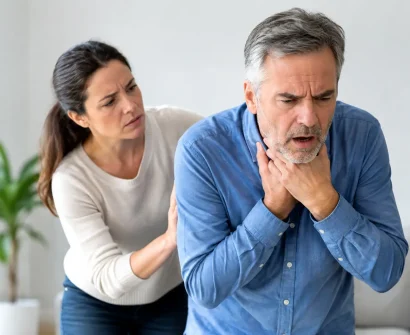
A Heartsaver class is not a watered-down version of CPR. Participants still learn critical actions: how to check for responsiveness, activate emergency services, deliver CPR, use an AED, and help a choking adult, child, or infant. The teaching is structured for people who may be the first person on scene but are not expected to work as part of a hospital or clinical resuscitation team.
Some Heartsaver course options also include first aid training. This can be especially helpful for daycare educators, workplace safety teams, coaches, and families who want preparation for more than cardiac arrest. First aid can address injuries and sudden illnesses such as bleeding, burns, allergic reactions, seizures, and fainting, depending on the course format.
How the Skills and Learning Experience Compare
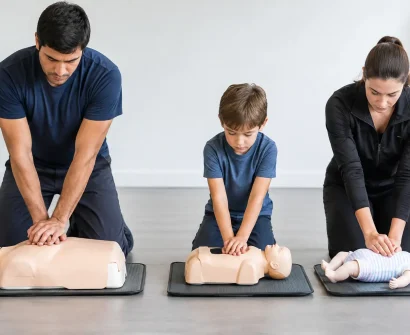
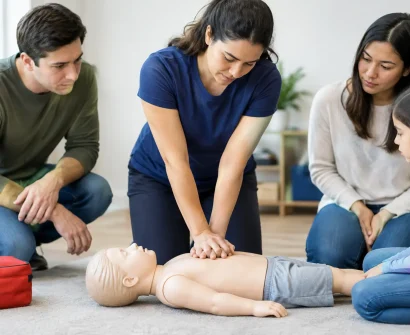
Both BLS and Heartsaver CPR are hands-on courses. You should expect to practice chest compressions on training manikins, learn AED steps, and receive instructor feedback. That practice is essential. Watching a video can build awareness, but performing the skills builds readiness.
The BLS learning experience is usually more technical because it addresses professional-level situations. Learners practice working in teams, communicating clearly, switching compressors efficiently, and coordinating compressions with ventilations. The course reinforces why compression depth, rate, recoil, and minimal pauses matter during resuscitation.
Heartsaver CPR uses plain-language instruction that helps nonmedical learners recognize an emergency and act without hesitation. The emphasis is on a simple, repeatable sequence: check the scene, call 911 or direct someone to call, begin CPR, and use an AED as soon as it is available.
Neither course eliminates the stress of a real emergency. What training can do is replace uncertainty with a practiced response. Repetition, instructor coaching, and realistic scenarios help participants move from “I hope I remember” to “I know what to do first.”
Certification Requirements: Do Not Guess
One of the most common mistakes is registering for a CPR course before checking what an employer or program actually accepts. A healthcare employer may specifically require BLS and not accept Heartsaver CPR. A school, camp, or workplace may require CPR and first aid but have no need for a clinical BLS credential.
Before registering, ask three questions: What course name is required? Does the requirement include first aid? Does the organization require a particular training provider or certification format?
Also confirm whether you need an initial course or a renewal course. Renewal eligibility can depend on your current certification status and the rules of the issuing organization. Waiting until a credential has expired can limit your options, particularly if an employer needs proof of current training before you can work or begin a placement.
Is BLS Better Than Heartsaver CPR?
BLS is not automatically better. It is more appropriate for certain roles. For a healthcare provider, BLS may be essential because it reflects the clinical and team-response skills required in patient care settings. For a parent or office employee, Heartsaver CPR may be the better learning experience because it focuses on the situations they are most likely to face.
Taking BLS when Heartsaver CPR is all you need can add content that is not relevant to your daily responsibilities. Taking Heartsaver CPR when your employer requires BLS can leave you without the credential you need. The right decision comes down to your responsibilities, not the course label.
There is also a practical consideration: training requirements can vary by employer, school, profession, and location. If you are uncertain, contact the organization requesting your certification before choosing a date. A quick confirmation can prevent the cost and inconvenience of taking the wrong class.
Choosing the Right CPR Course With Confidence
Choose BLS if you work, study, or plan to work in healthcare; if your employer or licensing body requires it; or if you need to practice professional team-based resuscitation skills. Choose Heartsaver CPR if you are a nonmedical responder seeking CPR, AED, and choking training for home, work, school, sports, or community settings.
If first aid is part of your requirement, make sure it is included rather than assuming every CPR class covers it. Likewise, if you need child and infant CPR, verify that your selected course includes those age groups. Course names can be similar, but the requirements behind them may be very different.
At Save a Life First Aid & CPR Training, hands-on instruction is designed to help learners build practical skills they can use when it counts. Whether you are preparing for a clinical role or protecting the people around you, choosing the course that fits your real responsibilities is a meaningful step toward a safer community.
The most valuable certification is the one that leaves you ready to recognize an emergency, take the first lifesaving action, and keep going until help arrives.