
Currently Empty: $0.00
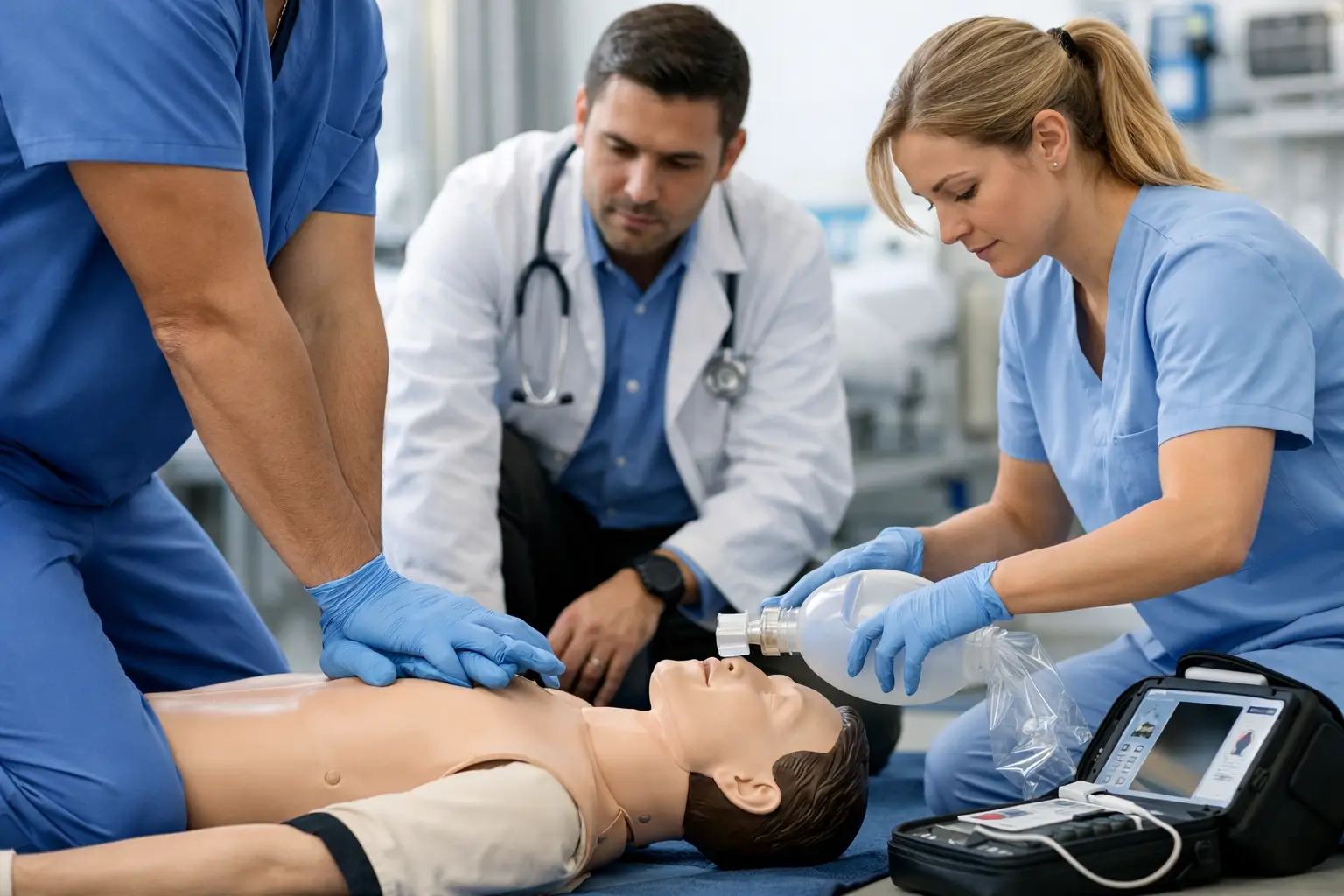
A cardiac arrest can turn a routine shift, a dental appointment, or a community event into a life-or-death emergency in seconds. A BLS provider certification guide should do more than explain how to earn a card. It should help you choose training that prepares you to recognize cardiac arrest, begin high-quality CPR, use an AED, and work effectively with others when every moment counts.
For healthcare professionals, BLS is often a job, placement, or licensing requirement. For caregivers, educators, and workplace responders, it is a practical skill set that can bring calm and direction to a frightening situation. The right course gives you more than a credential. It gives you a repeatable response you can use under pressure.
What BLS Provider Certification Covers
Basic Life Support, commonly called BLS, is designed for people who may need to respond to cardiopulmonary emergencies in a professional or organized setting. It goes beyond simply knowing that CPR is necessary. Participants learn to assess the scene, recognize an unresponsive person, activate an emergency response system, and deliver care in a coordinated way.
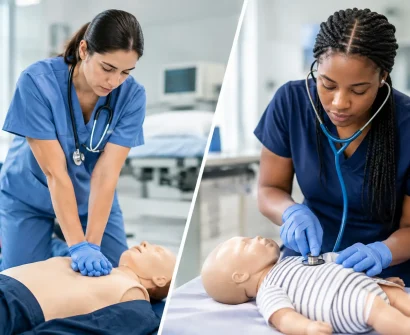
A recognized BLS Provider course generally includes adult, child, and infant CPR; the use of an automated external defibrillator, or AED; relief of choking; rescue breathing; and team-based resuscitation skills. Participants practice how to rotate compressors, communicate clearly, and reduce interruptions in chest compressions. These details matter because effective care depends on both technique and teamwork.
BLS is not the same as every basic CPR course. A general public CPR program can be an excellent choice for parents, coaches, and community members, but it may not meet the specific requirements of a hospital, clinic, healthcare school, or regulated profession. If your employer asks for BLS Provider certification, confirm the exact credential they accept before registering.
Who Needs a BLS Provider Course?
BLS certification is most commonly required for nurses, physicians, paramedics, respiratory therapists, pharmacists, dentists, dental hygienists, medical students, personal support workers, and other clinical professionals. It may also be required for healthcare students before a practicum or clinical placement.
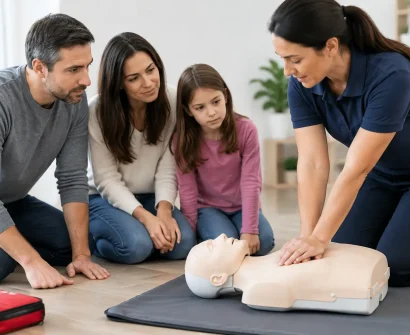
The course can also be appropriate for non-clinical responders who work where a rapid, organized emergency response is expected. This can include workplace first aid teams, fitness professionals, school staff, childcare personnel, security teams, and community volunteers. The right choice depends on your role, your environment, and the policies of the organization you serve.
If you are unsure whether BLS is necessary, ask a direct question: “What certification name, training organization, and expiration date does my employer or school require?” That one conversation can prevent registering for a course that does not satisfy your requirement.
How to Choose the Right BLS Certification
Not all BLS courses are identical, even when their titles sound similar. Start with the organization or institution that will review your certificate. Hospitals, professional colleges, schools, and workplaces may have specific standards for the training provider and course format.
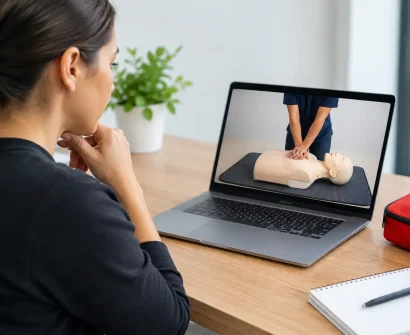
Look for a course that provides hands-on skills practice and an in-person evaluation. CPR is physical. Reading about compression depth, hand placement, ventilation, and AED pad placement is not the same as performing those skills on a manikin with an instructor’s feedback. Blended learning can be a convenient option when it combines online knowledge work with a scheduled classroom skills session. It is a good fit for busy professionals, but only if the final format is accepted by your employer.
Consider timing as well. If a clinical placement begins next week, confirm when the certificate is issued and whether you must complete all online components before attending the practical session. If you are renewing, avoid waiting until the final days before expiration. A missed class, an incomplete online module, or a scheduling conflict can leave you without the valid documentation your workplace needs.
At Save a Life First Aid & CPR Training, participants can choose practical, instructor-led learning designed to build confidence alongside certification. For learners in Laval and the Greater Montreal region, this means training can fit professional schedules without losing the essential hands-on component.
What Happens During BLS Training
A quality course balances instruction, demonstration, practice, and assessment. You will typically begin by reviewing the chain of survival and how to recognize when a person is in cardiac arrest. From there, the training moves quickly into action: checking responsiveness, calling for help, beginning compressions, providing breaths when required, and applying an AED as soon as it is available.
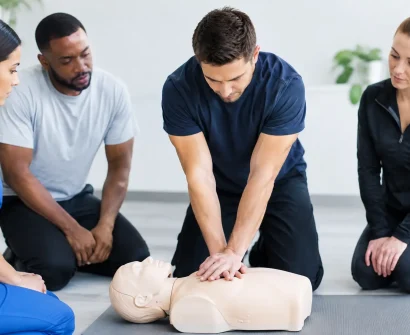
Expect to spend meaningful time practicing on adult, child, and infant manikins. Your instructor may ask you to perform one-rescuer CPR first, then move into two-rescuer scenarios. In team situations, participants learn where to position themselves, when to switch roles, and how to use concise communication such as announcing a compressor change or confirming that the AED is analyzing.
Skills testing is not designed to intimidate you. It confirms that you can perform the essential steps safely and consistently. If you have not taken CPR before, arrive ready to practice rather than expecting perfection on the first attempt. Instructors are there to correct technique, answer questions, and help you develop muscle memory.
Preparing for Your Course and Skills Test
Preparation is usually straightforward, but it makes the day more productive. Complete any assigned online work before class, bring required identification or enrollment information, and wear comfortable clothing that allows you to kneel and move around a manikin. CPR practice can be physically demanding, especially for participants with knee, back, shoulder, or wrist concerns.
Tell the instructor about a physical limitation before hands-on practice begins. Most courses still require participants to demonstrate core skills, but an instructor can discuss safe positioning and the course expectations with you. If your job has a particular physical requirement, it is better to understand that requirement before the course than after your certificate is due.
Review the course details in advance. Know whether you are taking a first-time provider class, a renewal course, or a blended option. Renewal courses may move at a faster pace because they assume you have previously learned the material. If your certification has expired or you feel unsure about your skills, a full course may be the better investment.
Common BLS Certification Mistakes to Avoid
The most common mistake is selecting a course based only on price or the earliest available date. A lower-cost course is not a better value if your employer does not recognize it. Verify acceptance first, particularly if you work in a hospital, are entering a healthcare program, or need certification for a professional credential.
Another mistake is assuming online-only instruction will always meet a hands-on requirement. Online education can effectively teach concepts and prepare you for class, but many workplaces require practical skill evaluation. Check the format before you enroll.
Participants also sometimes confuse first aid certification with BLS. First aid teaches valuable emergency care for injuries and sudden illness, while BLS focuses specifically on resuscitation skills for cardiac and breathing emergencies. Depending on your role, you may need one course, both, or an advanced program such as ACLS or PALS in addition to BLS.
Finally, do not treat the certificate as the finish line. Skills can fade when they are not used. Mentally rehearse the response steps, pay attention during workplace drills, and refresh your knowledge before renewal. The goal is to be ready to act, not simply to show a current card.
Keeping Your Credential Current
BLS certification is time-limited, and renewal requirements vary by training organization and employer policy. Keep a digital and printed copy of your certificate, record its expiration date, and set a reminder well ahead of time. Giving yourself several weeks of flexibility makes it easier to find a class that fits your schedule.
If your role changes, revisit your training needs. A nursing student entering a hospital placement may need a different credential than someone working in a daycare setting. A clinic team that adds pediatric patients may benefit from additional pediatric emergency education. Certification should match the real emergencies you could reasonably face.
Preparedness is built one practiced skill at a time. Choose a recognized BLS course, ask questions before registration, and give yourself the chance to learn in a hands-on setting. When someone needs help, confidence begins with knowing what to do next.