
Currently Empty: $0.00
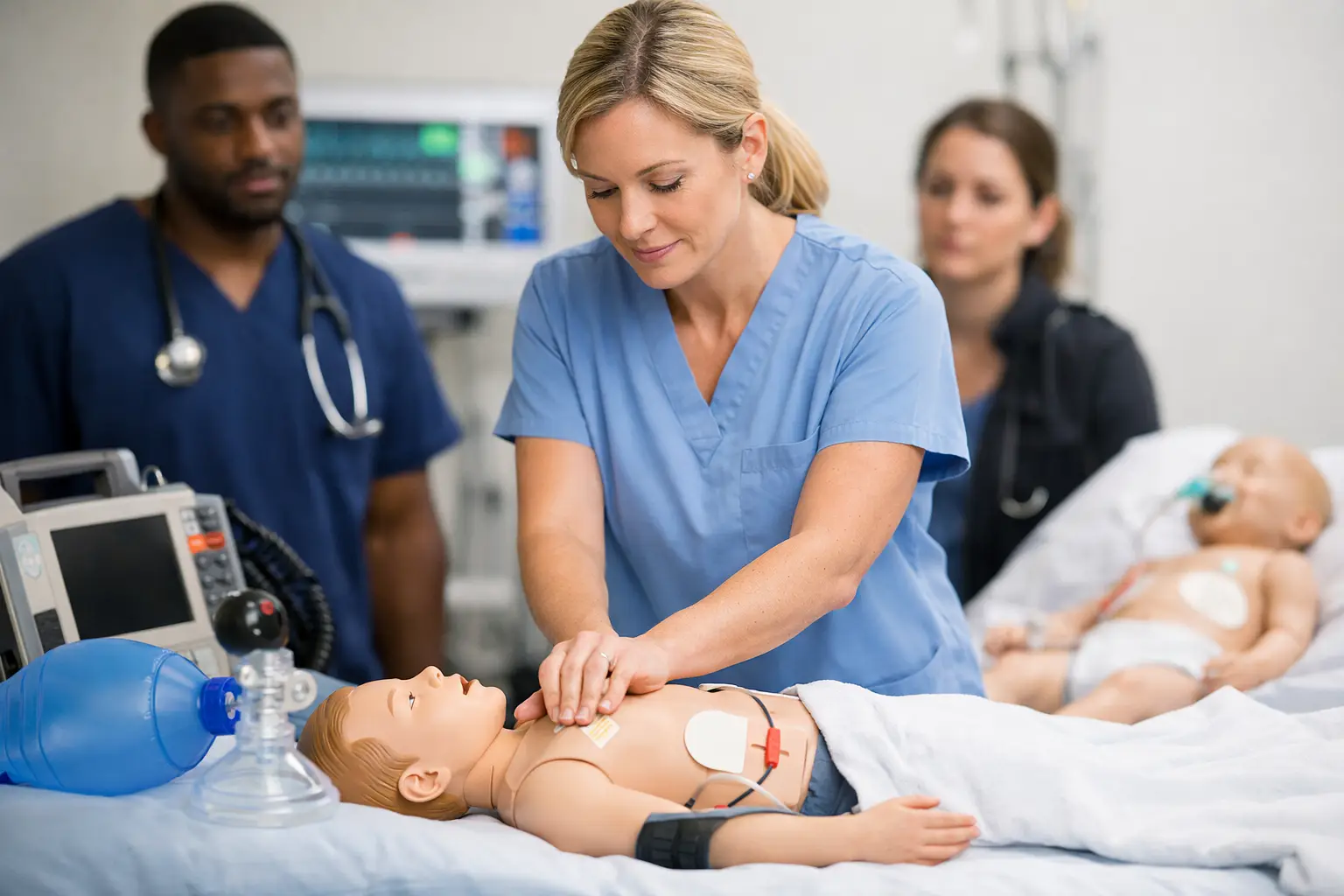
When a child is in respiratory distress, there is very little room for hesitation. A PALS certification course is designed for those moments when fast assessment, organized teamwork, and precise intervention can change the outcome.
For many learners, the question is not whether Pediatric Advanced Life Support matters. It is whether this is the right course for their role, their experience level, and their certification requirements. That is where clarity matters. PALS is a high-value course, but it is also specialized training, and not every learner needs the same path.
What a PALS certification course is designed to teach
A PALS certification course prepares healthcare providers to recognize and respond to pediatric emergencies, especially those involving respiratory compromise, shock, and cardiopulmonary arrest. The focus is not basic first aid. It is advanced, team-based emergency care for infants and children.
The course generally teaches a structured approach to pediatric assessment, early recognition of clinical deterioration, effective airway and ventilation support, rhythm recognition, and high-quality resuscitation. It also reinforces communication during emergencies, because pediatric events often require a coordinated response among multiple providers.
That practical emphasis is what makes PALS different from a course that only covers CPR basics. Learners are expected to apply algorithms, interpret patient presentation, and make decisions under pressure. The goal is readiness, not just course completion.
Who should take a PALS certification course
PALS is most relevant for healthcare professionals who may care for critically ill or injured infants and children. That often includes nurses, physicians, paramedics, respiratory therapists, emergency department staff, pediatric clinic personnel, and hospital-based providers working in acute care settings.
It can also be appropriate for some allied health professionals, depending on workplace policy and scope of practice. In many cases, employers, licensing bodies, or clinical placements specify whether PALS is required, recommended, or optional.
For non-clinical learners, this is usually not the first course to choose. Parents, teachers, childcare staff, and community members often benefit more from CPR, AED, and standard first aid programs unless their role specifically calls for advanced pediatric response training. PALS is built for providers who may need to manage serious pediatric emergencies as part of a professional team.
What you will typically cover in PALS training
Most PALS programs combine knowledge review with hands-on practice and testing. While exact course delivery can vary, the training usually centers on pediatric assessment and intervention in time-sensitive scenarios.
You can expect content around respiratory emergencies, shock states, cardiac arrest management, post-resuscitation care, and team dynamics. Students also work through case-based scenarios that reflect real clinical situations rather than abstract theory. That matters because pediatric emergencies are rarely linear. A child may decline quickly, and providers need to recognize subtle warning signs before the situation becomes critical.
Another key part of training is dosage awareness, equipment selection, and age-specific response. Children are not simply smaller adults. Their physiology, common causes of arrest, and response priorities differ in ways that directly affect care decisions.
How the course format usually works
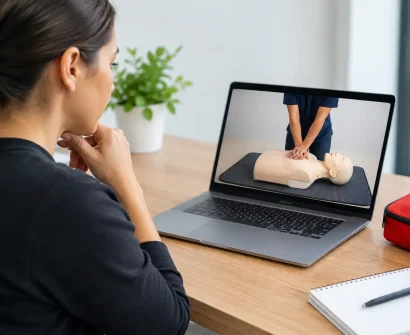
Many learners now complete a PALS certification course through either a full in-person format or a blended model. In a blended option, the cognitive portion is completed online first, followed by an in-person skills session and evaluation.
For busy professionals, blended learning can be the better fit because it offers more scheduling flexibility. You can move through the academic content at your own pace and then attend a hands-on session focused on skill performance and scenario participation.
That said, convenience should not be the only factor. Some learners do better in a classroom environment from the start, especially if they are new to advanced resuscitation training or returning after a long gap. In-person instruction can provide more immediate clarification, peer interaction, and guided practice. The right format depends on your confidence level, time constraints, and how you learn best.
What the hands-on portion really matters for
The practical portion of a PALS course is where knowledge becomes usable. Reading algorithms is one thing. Applying them while managing a changing patient scenario is another.
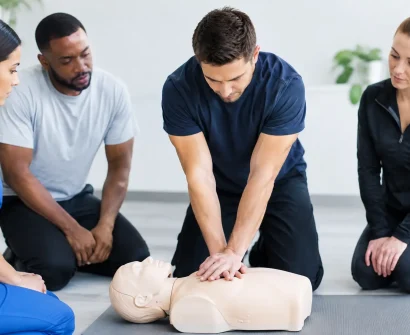
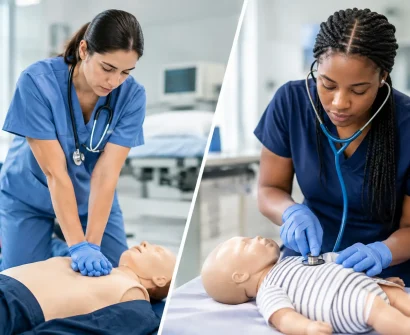
Hands-on sessions typically involve airway management practice, rhythm-based interventions, team response drills, and simulated pediatric emergencies. Learners are expected to assess, communicate, intervene, and reassess in an organized way.
This is also where many students discover the difference between familiarity and competence. You may recognize the terms from prior study, but the classroom reveals whether you can perform under realistic pressure. That is exactly why high-quality instruction matters. Strong training helps close the gap between knowing the material and being ready to use it.
Initial certification vs renewal
If you are taking PALS for the first time, expect a steeper learning curve. Initial certification often requires more time because you are building both conceptual understanding and practical confidence. Learners new to pediatric emergency algorithms may need to spend extra time reviewing rhythm recognition, medication concepts, and scenario flow before class.
Renewal courses are often faster, but they should not be treated casually. Recertification works best when it sharpens existing skills rather than simply checking a box for compliance. Providers who use pediatric emergency skills regularly may find renewal straightforward. Those who work less often with children may need more deliberate review to stay sharp.
If your certification is close to expiring, it is wise to register early rather than waiting for limited dates or employer deadlines to create unnecessary pressure.
How to choose the right PALS certification course
Not every training option offers the same experience. The credential matters, but so does the quality of instruction and the structure of the course.
Look for a provider that offers recognized certification pathways, clear course descriptions, scheduled skills sessions, and an instructional approach grounded in real application. For a course like PALS, hands-on quality is especially important. You want training that prepares you for actual patient care, not just test performance.
It also helps to confirm what is included before you register. Check whether the course is initial or renewal, whether it is fully in person or blended, how long the session runs, and what pre-course work is expected. Small details can affect whether the course fits your schedule and your learning needs.
For healthcare workplaces, there is another practical step. Verify that the course meets your employer or licensing requirement before enrolling. In most cases it will, but assumptions can create delays when documentation is needed for onboarding, credentialing, or annual compliance.
Common challenges learners face
One of the most common concerns is feeling intimidated by the material. That is normal. Pediatric emergencies are high-stakes, and many providers encounter them less frequently than adult cases.
The best response is preparation, not avoidance. Reviewing materials ahead of time, arriving ready to participate, and treating scenarios seriously will improve both performance and confidence. PALS is demanding because the situations it prepares you for are demanding.
Another challenge is choosing a course based only on speed or price. Those factors matter, but they are not the whole picture. If training is rushed, unclear, or overly passive, the result may be certification without real readiness. For emergency response education, that trade-off is rarely worth it.
Why this training matters beyond compliance
Some learners register because their role requires it. That is a valid reason, but the value of a PALS certification course goes beyond meeting policy. It strengthens clinical judgment, reinforces team communication, and builds a more organized response during some of the most stressful events in healthcare.
For pediatric providers, that preparation can shape how quickly a deteriorating child is recognized and how effectively a team responds. For organizations, it supports safer systems of care. For individual clinicians, it can reduce hesitation and improve confidence in situations where every second counts.
At Save a Life, that practical readiness is the point of training. Certification matters, but the deeper goal is to help providers respond with skill when a child needs them most.
If PALS fits your role, do not wait until the requirement becomes urgent. The best time to train is before the moment that demands it.