
Currently Empty: $0.00
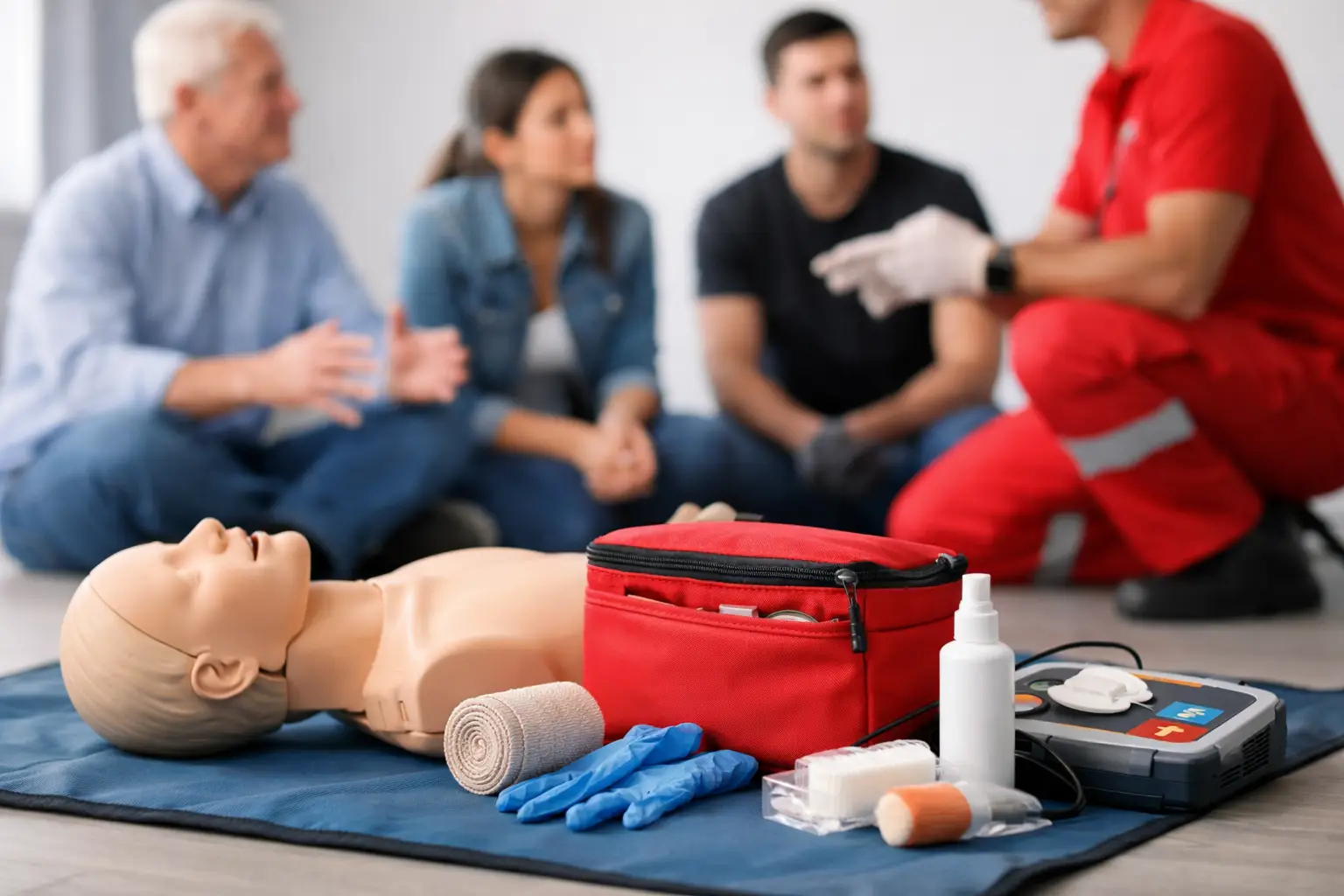
A cardiac arrest in a clinic, a choking child at daycare, or a serious fall at work leaves little time to search for instructions. The best first aid training courses in Laval for healthcare professionals and beginners prepare people to recognize an emergency, respond within their role, and provide care with greater confidence until additional help arrives.
The right course is not necessarily the longest or most advanced one. A nurse renewing a hospital credential needs a different learning path than a parent preparing for a new baby, just as a daycare educator needs training that reflects the risks of caring for children. Start with the setting where you are most likely to use your skills, the certification your employer or licensing body requires, and the level of hands-on practice you need.
Choose Training That Matches Your Responsibility
First aid training works best when it is relevant. A beginner should not feel pressured to take an advanced course simply because it sounds more comprehensive. At the same time, a healthcare professional should not select a basic public course if their workplace requires clinical resuscitation skills.
For most learners, the decision comes down to three questions: Who will you be helping? What emergencies are most likely in your environment? Is a specific certification required for employment, school, professional practice, or volunteer work?
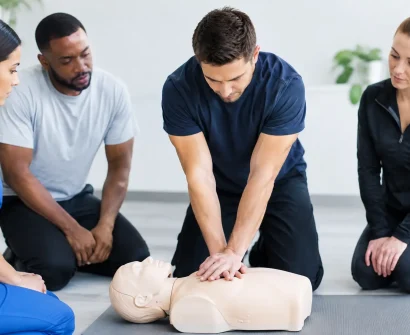
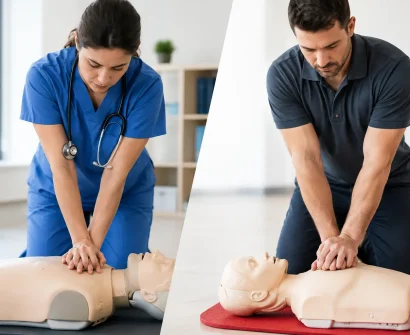
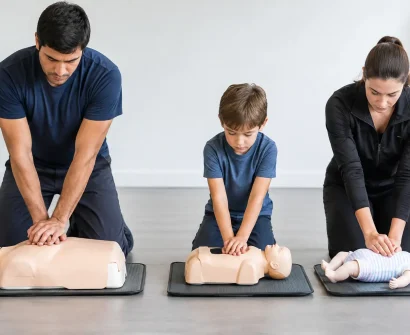
Hands-on instruction matters at every level. Reading about CPR is not the same as practicing chest compressions at the correct depth and pace, using an AED trainer, or working through a choking scenario with an instructor. Practical feedback helps participants correct technique before a real emergency demands it.
First Aid Courses for Beginners in Laval
Emergency First Aid and CPR
Emergency First Aid is a practical starting point for people who want core emergency response skills without taking a more extensive course. It commonly covers scene safety, activating emergency services, CPR, AED use, choking, severe bleeding, and responding to sudden medical emergencies.
This is often a strong fit for parents, grandparents, coaches, fitness instructors, volunteers, and community members. It can also meet requirements for some workplaces where employees need basic emergency preparedness but are not assigned to a dedicated first aid team.
The trade-off is scope. Emergency First Aid gives learners essential skills, but it may not satisfy workplaces that require broader training in injury assessment, environmental emergencies, or ongoing care while waiting for help.
Standard First Aid and CPR
Standard First Aid provides a wider foundation for people who may need to respond to injuries and medical emergencies at work, school, recreational programs, or in the community. In addition to CPR and AED skills, participants generally spend more time learning how to assess a scene, manage bleeding, respond to fractures and burns, recognize stroke and heart attack warning signs, and provide appropriate first aid for a range of situations.
For many workplace safety teams, Standard First Aid is the more appropriate choice because it prepares designated responders for more than cardiac emergencies. It is also valuable for teachers, coaches, camp staff, caregivers, and people who simply want a broader set of practical skills.
Daycare Emergency First Aid
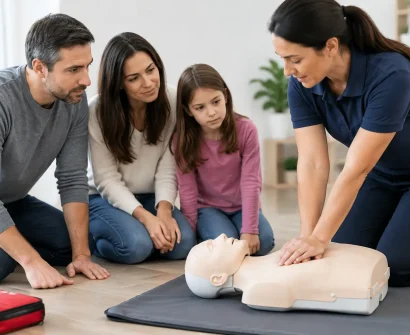
Children are not simply smaller adults, and emergency preparation in childcare settings must reflect that reality. Daycare Emergency First Aid focuses on the responsibilities and common risks faced by educators and caregivers, including pediatric CPR, choking response, injury prevention, and emergencies involving infants and children.
Daycare staff should confirm the exact certification requirements set by their employer, licensing authority, or program. A course that is excellent for a family caregiver may not meet regulatory expectations for a professional childcare environment.
Best First Aid Training Courses in Laval for Healthcare Professionals
Healthcare providers need courses that support clinical responsibilities, team-based care, and professional requirements. The best first aid training courses in Laval for healthcare professionals are those aligned with the provider’s role and current credentialing expectations, not simply the most advanced course available.
Basic Life Support (BLS)
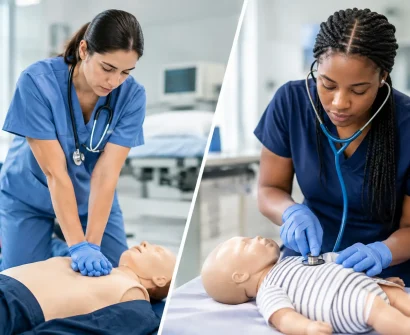
BLS is a core certification for many healthcare professionals, including nurses, physicians, dental professionals, paramedics, respiratory therapists, pharmacists, medical students, and personal support workers. Training emphasizes high-quality CPR, rapid AED use, effective ventilation, relief of choking, and coordinated response in team settings.
BLS is often required before or alongside advanced courses. It is especially valuable because clinical cardiac arrest response depends on fundamentals done well: early recognition, strong compressions, minimal interruptions, clear communication, and appropriate use of available equipment.
Those renewing a BLS credential should verify whether they are eligible for a recertification course. Renewal options can save time for experienced providers, but they still require participants to arrive prepared to demonstrate skills and meet course standards.
Advanced Cardiac Life Support (ACLS)
ACLS is designed for qualified healthcare professionals who participate in the management of cardiovascular emergencies. It builds on BLS skills and introduces structured approaches to cardiac arrest, rhythm recognition, airway management, pharmacology, and post-cardiac arrest care.
This course is commonly relevant to hospital, emergency, critical care, and other acute-care environments. It is not typically the right first course for a beginner or a non-clinical workplace responder. Participants need a reliable BLS foundation and should be comfortable learning in a fast-paced, scenario-based environment.
Pediatric Advanced Life Support (PALS) and PEARS
PALS serves healthcare professionals involved in the assessment and management of seriously ill or injured infants and children. It focuses on early recognition of respiratory distress, respiratory failure, shock, arrhythmias, and cardiac arrest, with an emphasis on pediatric team response.
PEARS may be a better fit for professionals who encounter pediatric patients but do not routinely lead advanced resuscitation events. The appropriate choice depends on job duties, clinical setting, and employer expectations. A pediatric office, school health program, or outpatient clinic may have different requirements than a pediatric emergency department.
Heartsaver CPR AED
Heartsaver CPR AED can be an excellent option for non-medical staff who need structured CPR and AED training for the workplace. It is particularly relevant for office teams, schools, gyms, community organizations, and employees who may be called upon to respond before emergency services arrive.
It should not be confused with BLS. Both teach critical lifesaving actions, but BLS is designed for healthcare professionals and uses a clinical framework that reflects their responsibilities.
In-Person, Blended, and Renewal Formats
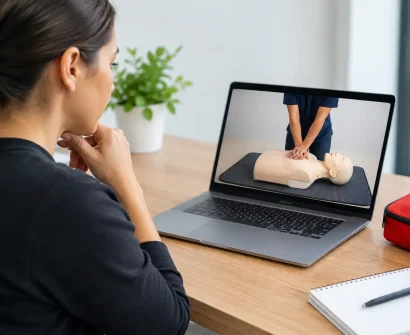
Scheduling can be a real barrier to maintaining current skills, especially for shift workers, students, and busy caregivers. Blended learning can make training more accessible by allowing participants to complete assigned online material before attending an in-person skills session.
The classroom component remains essential. CPR, AED use, first aid assessments, and emergency teamwork are physical skills. Learners benefit from practicing with equipment, receiving instructor feedback, asking questions, and working through realistic scenarios.
A fully in-person course may be preferable for first-time learners or anyone who wants more instructor support. Blended options can work well for confident learners who can complete online coursework independently and want flexibility without losing the hands-on portion of certification.
Before registering for a renewal or recertification, check the expiration date on your current credential, your prior course level, and any employer-specific rules. Waiting until the last minute can limit your course options and may create an avoidable gap in required certification.
What to Look for Before You Register
A useful course should provide recognized certification, qualified instruction, and opportunities to demonstrate skills rather than only observe them. It should also clearly identify the course level, intended audience, duration, and prerequisites so participants can choose confidently.
Ask whether the program addresses the scenarios most relevant to your setting. A workplace team may need strong coverage of bleeding, falls, burns, and incident response. A healthcare professional may need BLS, ACLS, or pediatric training that supports clinical standards. A parent may prioritize infant CPR, choking, and pediatric emergencies.
Location and scheduling also matter. For learners across Laval and the Greater Montreal area, choosing an accessible training site can make it easier to attend a full course, arrive ready for skills testing, and complete renewals before credentials expire. Save a Life First Aid & CPR Training offers instructor-led and blended options for learners ranging from first-time participants to experienced healthcare providers.
Build Confidence Before an Emergency Happens
Certification is a meaningful achievement, but preparedness continues after class. Review the steps you learned, know where AEDs and first aid supplies are located in the places you spend time, and encourage your workplace, family, or organization to keep emergency plans current.
The course you choose should leave you with more than a card. It should give you the ability to pause, assess the situation, call for help, and take the next right action when someone needs you most.