
Currently Empty: $0.00
Your ACLS credential is more than a date on a card. It confirms that you have recently practiced the clinical decisions, team communication, and resuscitation skills needed when a patient’s condition deteriorates quickly. Knowing how to renew ACLS certification before it expires gives you time to choose the right course, prepare properly, and avoid an unnecessary interruption to your work or clinical placement.
For nurses, physicians, respiratory therapists, paramedics, pharmacists, dental professionals, and other healthcare providers, renewal is often tied to employer policies, professional expectations, or program requirements. The process is usually straightforward, but the details matter. A course that is accepted by one organization may not meet the requirements of another.
Check Your ACLS Expiration Date First
Start by reviewing your current ACLS provider card or digital certificate. Many ACLS certifications are valid for two years, but you should always confirm the date shown on your credential and check the renewal rules of the organization that issued it.
Do not wait until the final week if your job, hospital unit, licensing body, or school requires uninterrupted certification. Course dates can fill up, and you may need time to complete pre-course work or resolve a question about eligibility. Booking several weeks ahead is a practical way to protect your status.
If your card has already expired, do not assume that a renewal class will still be available to you. Some training systems allow a short grace period, while others require participants with expired credentials to take the full initial provider course. Your employer may also have a stricter policy than the certifying organization.
Confirm That You Qualify for an ACLS Renewal Course
An ACLS renewal course is designed for participants who already hold a current, recognized ACLS credential and need to refresh their knowledge and demonstrate their skills again. It is not simply a shorter version of the course. You will still be expected to apply ACLS algorithms, manage realistic cardiac arrest and peri-arrest scenarios, and work effectively as part of a resuscitation team.
Before registering, confirm three things: that your current certification is still valid, that the renewal provider is accepted by your employer or program, and that you meet any prerequisite requirements. Current Basic Life Support training is commonly required because high-quality CPR is the foundation of advanced cardiac life support.
This is especially relevant for professionals moving between workplaces or returning after leave. A credential accepted in one setting may not be the exact certification another employer requests. Ask your manager, clinical educator, placement coordinator, or human resources department which provider and course format they recognize. A quick check before registration can prevent having to repeat training later.
Renewal Versus Initial ACLS Training
The right course depends on your current status and confidence level. If your ACLS certification is active and you have been using the skills in practice, a renewal course is typically the appropriate option. If your credential has expired, you are new to ACLS, or you feel significantly out of practice, a full provider course may be the better choice.
There is no advantage in choosing the shortest option if it leaves you underprepared for the assessment or the clinical situations you may face. ACLS asks participants to recognize changing rhythms, identify reversible causes, coordinate interventions, and communicate clearly under pressure. A course with enough time for feedback and hands-on practice is worth prioritizing.
Complete Any Required Pre-Course Preparation
Many ACLS programs include a pre-course self-assessment, online module, learner manual review, or other preparation before the classroom session. Complete these requirements early rather than the night before. They help identify topics that need extra attention and allow more classroom time for scenarios and skill application.
Focus your review on the areas most likely to affect real-time decision-making. This includes adult cardiac arrest algorithms, bradycardia and tachycardia management, acute coronary syndromes, stroke recognition, airway considerations, pharmacology, and post-cardiac arrest care. You should also be ready to explain the rationale behind a treatment path, not only recall the next box in an algorithm.
If you have not used ACLS regularly in your role, practice reading ECG rhythms and verbalizing your approach to a case. For example, when a patient becomes unstable with a tachyarrhythmia, you should be able to recognize the signs of instability, state the immediate priority, assign tasks to the team, and reassess after each intervention. This is the kind of thinking renewal training is meant to strengthen.
Choose a Format That Includes Hands-On Skills Practice
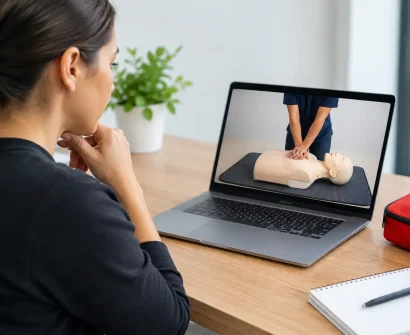
ACLS is not a certification that should exist only on a screen. While blended learning may allow you to complete knowledge components online, recognized ACLS training generally requires an in-person skills session where an instructor can assess performance and provide feedback.
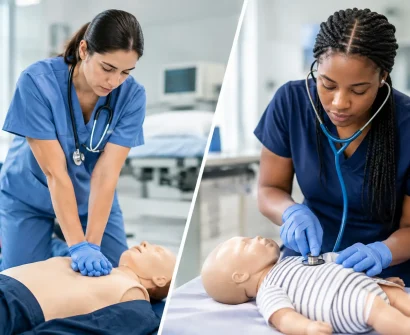
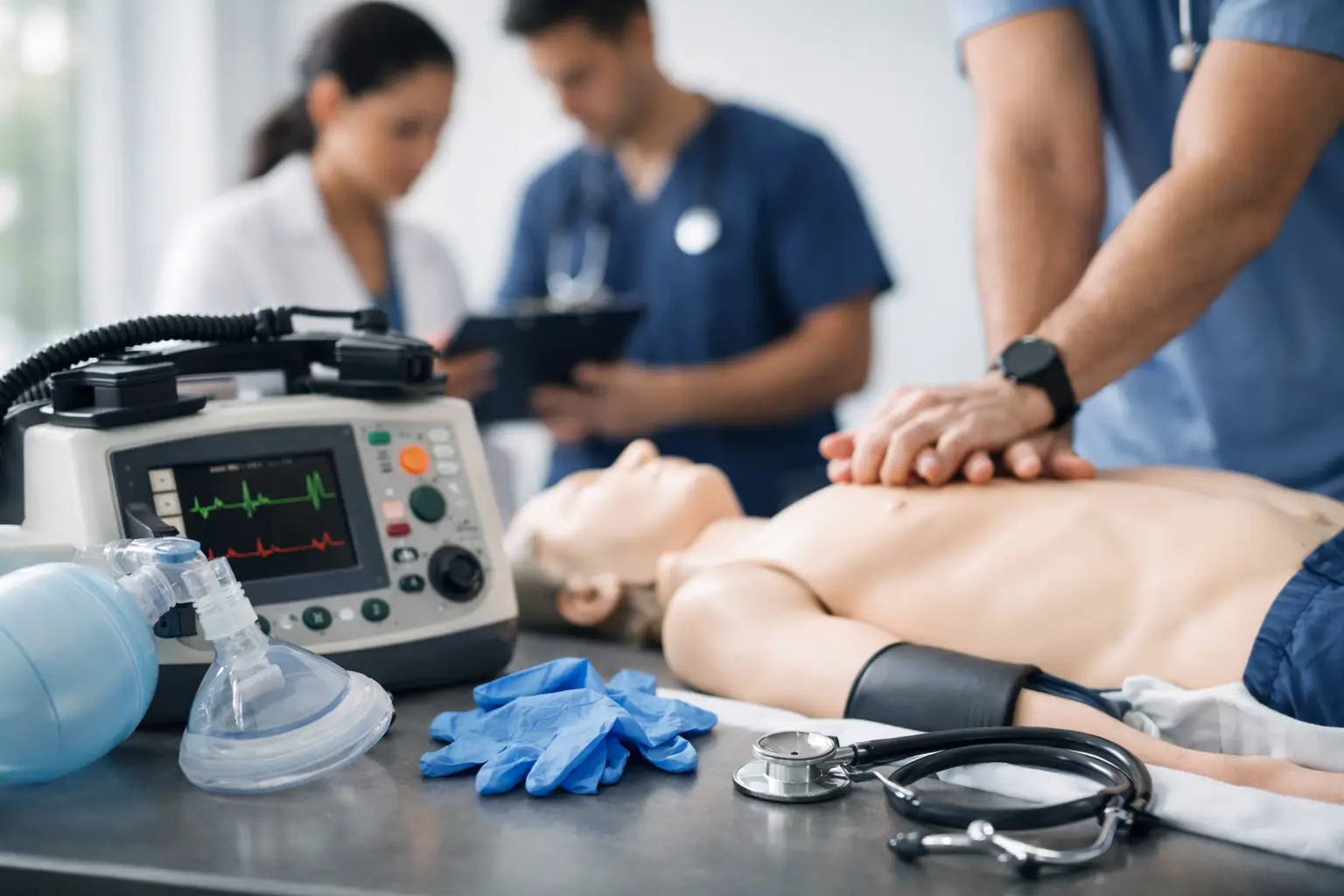
Look for training that includes realistic practice with CPR, defibrillation or cardioversion equipment, airway management, medication discussions, team roles, and scenario-based decision-making. The most useful renewal experience lets you make decisions, receive coaching, and repeat critical actions until they become more organized and confident.
For busy healthcare professionals, scheduling can be a deciding factor. Evening, weekend, and blended options may make renewal easier to fit around shifts and family responsibilities. Still, convenience should not replace quality. Confirm the course duration, instructor-led component, assessment expectations, and certificate issuance process before enrolling.
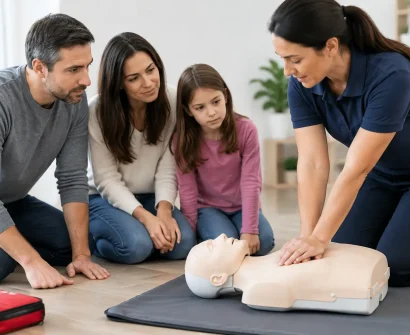
Participants in Laval and the Greater Montreal region can choose scheduled ACLS renewal training through Save a Life First Aid & CPR Training when they need practical instruction that supports workplace and clinical requirements.
What to Expect During ACLS Recertification
A strong ACLS renewal course typically combines a knowledge review with active participation in simulated emergencies. You may rotate through roles such as team leader, compressor, airway provider, medication administrator, or recorder. Each role matters because effective resuscitation depends on a coordinated team, not one person working alone.
During scenarios, instructors assess how well you recognize the rhythm, follow the appropriate algorithm, maintain high-quality CPR, use clear closed-loop communication, and reassess the patient after interventions. You may also complete a written examination or other knowledge evaluation, depending on the certifying program.
Treat the assessment as a learning opportunity rather than a test of whether you can memorize every detail under stress. If you hesitate on a rhythm, medication, or sequence, ask for clarification. The goal is to leave with safer habits and a clearer clinical framework for emergencies.
Bring the Right Documents and Arrive Ready to Participate
Bring your current ACLS card or certificate if the course provider requests proof of eligibility. You may also need government-issued identification, evidence of current BLS certification, completed pre-course documentation, or a course completion record from an online component.
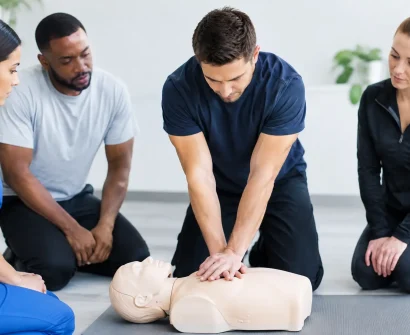
Wear comfortable professional clothing suitable for floor-based CPR practice and skills stations. Plan to participate fully. ACLS renewal is interactive by design, and the value of the course comes from practicing the communication and physical skills that are difficult to develop through reading alone.
If you have an injury, pregnancy-related concern, or other limitation that could affect skills participation, speak with the training provider before the course. Accommodations may be possible, but it is best to discuss them early so expectations are clear.
Keep Your New Credential Organized
After successfully completing your renewal, save both a digital and printed copy of your new certificate if available. Submit it promptly to your employer, professional program, or placement coordinator, and add the next expiration date to your calendar.
It also helps to retain your course confirmation, receipt, and any required documentation. In a busy healthcare environment, records are easy to misplace until a manager asks for proof of certification. A simple reminder set several months before expiration can make your next renewal far less stressful.
ACLS renewal is a chance to reconnect with the skills that help teams respond decisively when seconds matter. Schedule it early, prepare with purpose, and use the hands-on practice to strengthen the confidence you will bring to the next emergency.