
Currently Empty: $0.00
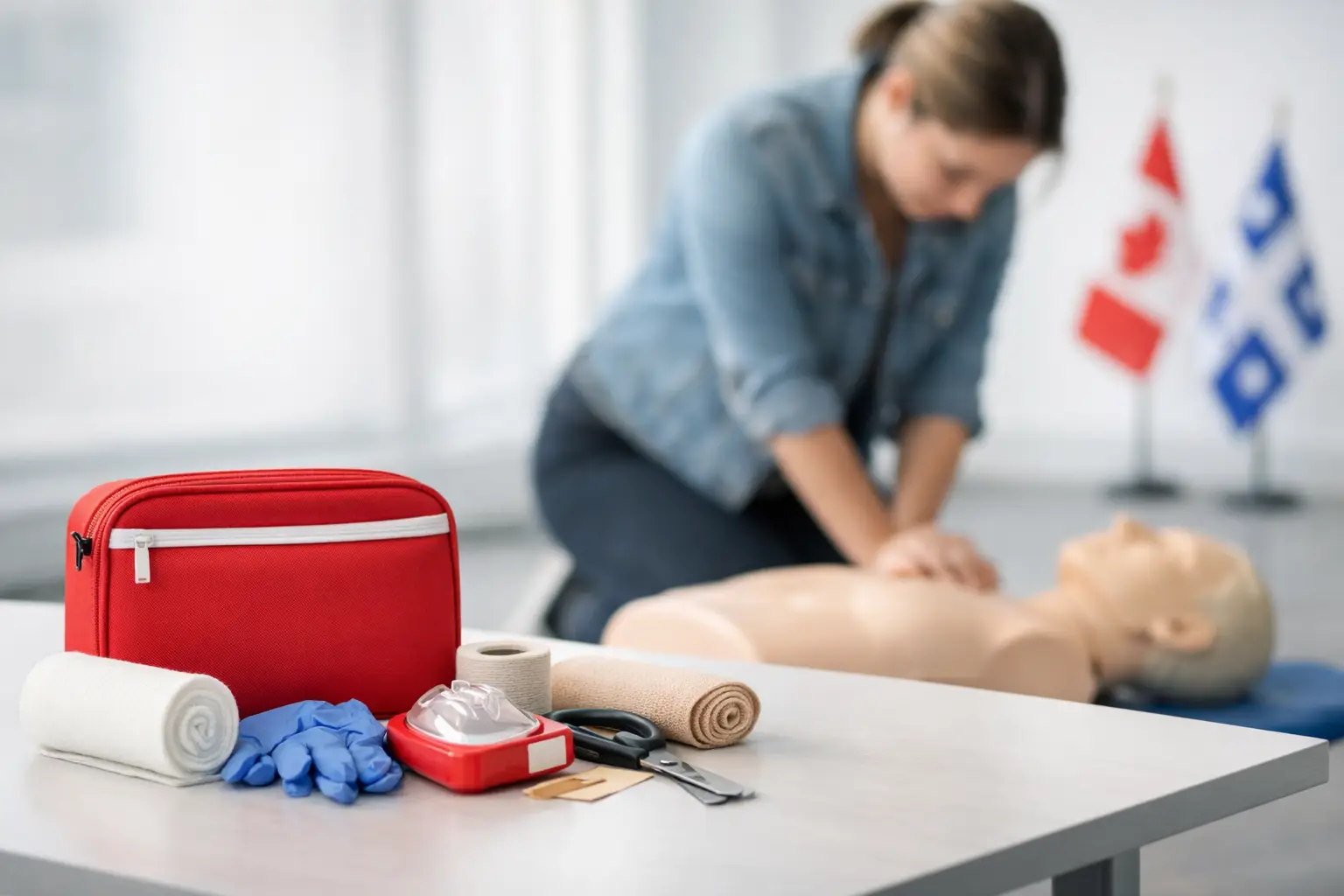
A first aid course can be the difference between freezing in a crisis and knowing how to take the next helpful step. If you are researching first aid certification in Quebec: everything you need to know before you register, begin with one question: what will this certification need to do for you? The right course for a parent is not always the right course for a nurse, daycare educator, workplace first aider, or fitness professional.
Choosing well matters because first aid training is not simply a certificate to file away. It is practical preparation for real situations – a choking child, a sudden collapse, severe bleeding, an allergic reaction, or a workplace injury. A recognized course with meaningful hands-on practice gives you skills you can use when every second feels longer than it should.
Start With the Requirement, Not the Course Name
Before comparing dates, prices, or course formats, confirm exactly what your employer, school, licensing body, professional order, insurer, or program requires. Ask whether you need CPR only, Emergency First Aid, Standard First Aid, BLS, or an advanced healthcare course such as ACLS or PALS. Also verify whether a particular certifying organization, course length, or certificate format is required.
This step prevents a common and expensive mistake: registering for a basic course when your position requires a healthcare-level credential, or enrolling in an advanced course when a shorter workplace program would meet the requirement. Job postings can use broad terms such as “CPR certified,” but the employer may mean a specific level that includes adult, child, and infant CPR, AED training, and choking response.
If the requirement is unclear, ask for it in writing. A quick email to a supervisor, placement coordinator, or regulatory contact can save you from needing to retake training later.
Understand the Main First Aid Certification Options in Quebec
Course names vary by provider, but most training options fall into a few clear categories. The correct choice depends on the setting where you will use the skills and the level of responsibility you hold.
Emergency First Aid and CPR
Emergency First Aid is often a practical entry point for people who need foundational first aid and CPR skills. It commonly covers how to assess an emergency, call for help, manage choking, respond to bleeding and shock, use an AED, and perform CPR. It may suit volunteers, coaches, employees with basic workplace requirements, and community members who want essential preparation.
Standard First Aid and CPR
Standard First Aid is more comprehensive. Along with CPR and AED skills, participants generally learn to recognize and respond to a broader range of medical and injury emergencies, such as fractures, burns, seizures, diabetic emergencies, poisoning, and environmental injuries. It is a strong option for workplace teams, educators, caregivers, camp staff, and people who may be responsible for others during the day.
Daycare and Child-Focused Training
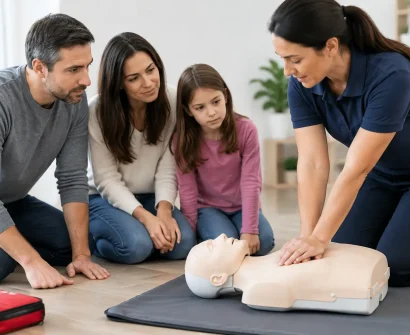
Parents, babysitters, daycare educators, and school staff should look closely at pediatric content. Children are not simply smaller adults in an emergency. Their likely risks, CPR techniques, choking response, and communication needs can differ. A course that includes infant and child CPR, AED use, and first aid scenarios relevant to young children can make training more applicable and easier to recall.
For licensed childcare settings, requirements may be specific. Confirm the accepted course, required content, certificate validity period, and whether a refresher course is permitted before registering.
BLS and Advanced Healthcare Courses
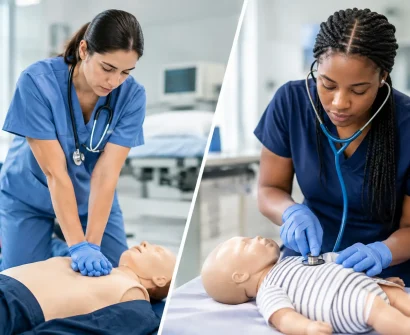
Basic Life Support, often called BLS, is designed for healthcare professionals and students entering clinical environments. It focuses on high-quality CPR, team-based resuscitation, bag-mask ventilation, AED use, and responding effectively to cardiac arrest. Healthcare employers and clinical placements may require BLS from a recognized provider, sometimes with a specific renewal timeline.
ACLS, PALS, and PEARS build on BLS skills and are intended for professionals working in settings where advanced cardiac or pediatric emergencies may occur. These courses require more clinical knowledge and active participation. They are not substitutes for a basic public first aid course, and they may have prerequisites.
Recognition Is More Than a Logo on a Certificate
A certificate is useful only if the organization requesting it accepts it. Before you register, ask whether the course is nationally recognized, who issues the certificate, and how the credential can be verified. If you are taking training for work, a healthcare placement, or a professional requirement, share the course details with the person responsible for approving your certification.
Recognition is particularly important for regulated roles and healthcare learners. Some employers require a specific resuscitation curriculum, while others accept several recognized providers. Do not assume that “online CPR certification” or a generic first aid card will meet a formal requirement.
You should also confirm what appears on the certificate. Your full name should match the name used by your employer, school, or professional registration. Check whether the certificate lists the course level, completion date, expiration date if applicable, and issuing organization.
Choose a Format That Builds Real Confidence
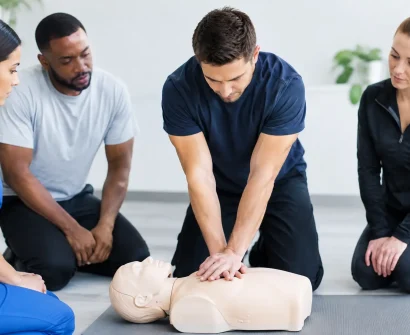
Convenience matters, especially for busy professionals, parents, and workplace teams. But emergency skills are physical skills. You need to practice chest compressions, AED operation, choking response, bandaging, recovery positions, and scenario-based decision-making with feedback from an instructor.
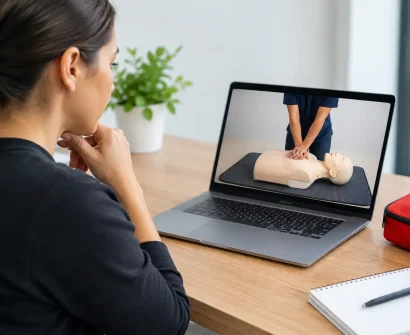
Blended learning can be an excellent choice when it combines self-paced online theory with in-person skills practice. The online portion lets you review concepts at your own pace. The classroom portion confirms that you can perform the techniques safely and correctly. This format can work well for learners managing shift work, school schedules, or family responsibilities.
Be cautious about courses that are entirely online when hands-on training is required. Watching a CPR demonstration is not the same as practicing compression depth, hand placement, rhythm, or team communication. In a real emergency, confidence comes from repetition under the guidance of a qualified instructor.
Questions to Ask Before You Pay
A training provider should make the registration process clear. Before committing, confirm the total cost, course duration, location, language of instruction, and what is included in the fee. Find out whether the course includes the certification card, a digital certificate, a student manual, and any required skills testing.
It is also wise to ask about cancellation, transfer, and late-arrival policies. First aid courses are time-sensitive, and missing a hands-on portion may mean you cannot receive certification that day. If you are registering employees, ask whether private group training, scheduling support, or on-site instruction is available.
For advanced courses, clarify prerequisites before booking. A current BLS credential, pre-course work, or prior clinical experience may be expected. Arriving without the required preparation can affect your ability to participate fully or pass the course.
Prepare to Participate, Not Just Attend
First aid and CPR classes are active. Wear comfortable clothing because you may spend time kneeling beside a manikin, practicing compressions, applying bandages, or working through response scenarios. Bring any required identification, pre-course completion records, and your current certificate if you are taking a renewal or recertification course.
If you have a physical limitation that could affect floor-based skills practice, contact the provider before the course. Instructors can often discuss available accommodations or the best course format for your circumstances. The goal is to make training accessible while ensuring participants can demonstrate the skills required for certification.
Do not be afraid to ask questions in class. Ask what to do when you are alone, how to communicate with emergency services, when to use an AED, or how to respond if you are unsure of the cause of a person’s collapse. Good instructors welcome practical questions because real emergencies rarely follow a perfect script.
Plan for Renewal Before Your Certificate Expires
Certification is a starting point, not a lifetime guarantee of readiness. Skills such as CPR can fade when they are not practiced, and guidelines may change over time. Many certificates have an expiry date, while some professional or workplace requirements call for renewal sooner. The exact timeline depends on the course and the organization that requires it.
Set a calendar reminder well before your expiry date. Recertification options may be shorter than an initial course, but eligibility can depend on holding a current, accepted credential. If your certificate has already expired, you may need to complete the full course again.
For learners in Laval and the Greater Montreal area, Save a Life First Aid & CPR Training offers instructor-led and blended options that help participants match training to workplace, healthcare, childcare, and personal preparedness needs.
The best time to choose first aid training is before an emergency asks you to act. Register for the course that meets your real requirement, practice the skills with purpose, and keep your certification current. Someone in your home, workplace, classroom, or community may one day need the confidence you decided to build.