
Currently Empty: $0.00

A CPR card is more than a document in your wallet. It confirms that you have recently practiced the skills that can help someone survive cardiac arrest. So, how long is CPR certification valid? For many courses, the answer is one to three years, but the exact timeline depends on the training provider, course level, and the requirements of your employer, school, licensing body, or workplace.
That distinction matters. A certificate that is still technically current may not meet a hospital’s BLS requirement, a daycare’s first aid policy, or a workplace safety program. Before registering for a course or renewal, confirm what certification your role actually requires.
How Long Is CPR Certification Usually Valid?
Most CPR certifications are valid for a limited period because life-saving skills need regular practice. Guidelines can change, and physical skills such as chest compressions, rescue breaths, AED use, and team response can fade if they are not refreshed.
For many standard CPR and first aid courses, certification is commonly valid for two or three years. Healthcare-focused Basic Life Support, or BLS, may have a shorter renewal expectation, often one year, depending on the organization or employer. Advanced courses such as ACLS and PALS commonly have their own renewal cycles, frequently around two years.
There is no single expiration rule that applies to every CPR card. The issuer shown on your certificate is the best source for its validity period. Your employer or professional college may also set a stricter deadline than the certificate issuer does.
Why validity periods differ
CPR training is not one universal course. A parent learning adult, child, and infant CPR has different responsibilities than a nurse responding as part of a hospital code team. A daycare educator may need emergency first aid with infant CPR, while a dental professional may need a specific BLS credential accepted by their regulator.
Training organizations also update programs at different times. When resuscitation science changes, course content may be revised to reflect current best practices. Renewal periods help ensure participants return to hands-on learning instead of relying on memories from years ago.
How Long Does a CPR Certification Course Take?
People also use the question “how long is CPR certification” to ask about class time. Course length depends on the level of training, whether first aid is included, and whether part of the course is completed online before the in-person session.
A standalone CPR and AED course can often be completed in a few hours. A course that combines emergency first aid, CPR, and AED training typically takes a full day or more. Advanced healthcare courses may require a longer classroom session, pre-course study, skills testing, and scenario-based team practice.
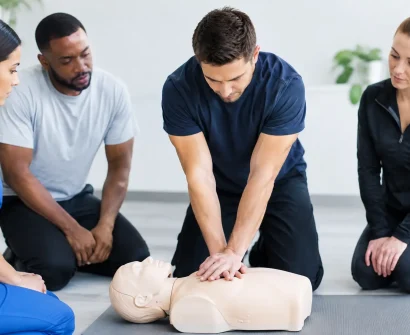
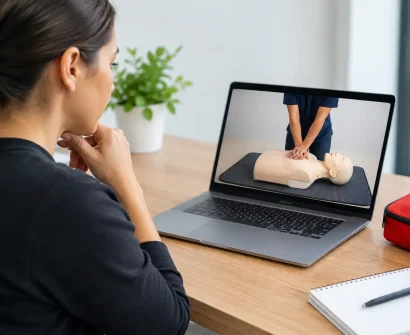
Blended learning can reduce the amount of time spent in the classroom, but it does not eliminate the practical component. Participants complete knowledge-based lessons online, then attend an instructor-led session to demonstrate compressions, ventilation, AED use, and other required skills. For a certification that employers recognize, hands-on evaluation is usually essential.
Which CPR Renewal Timeline Applies to You?
The right answer starts with why you need the certification. If it is for a job, ask your manager, human resources department, or licensing body for the exact course name and accepted issuer before registering. “CPR certified” alone may be too broad.
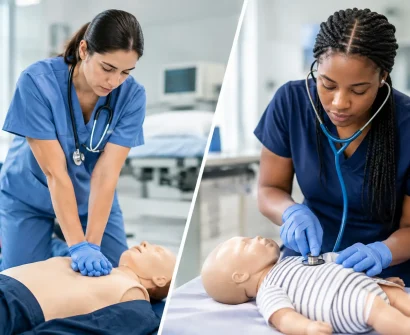
Healthcare professionals should verify whether they need BLS, ACLS, PALS, or another advanced credential. A standard public CPR course may teach valuable emergency skills but may not satisfy clinical employment requirements. Similarly, a workplace may require first aid certification that includes a particular level of CPR and AED training.
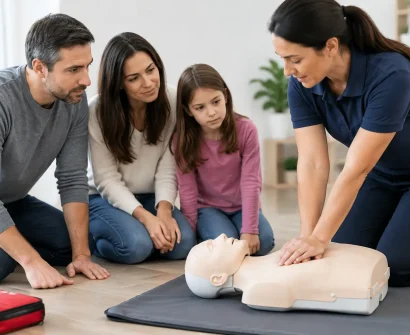
For parents, caregivers, coaches, and community members, the choice is usually more flexible. A recognized CPR and AED course that covers the ages of people you care for can provide practical preparation. If you care for infants or children, choose training that includes pediatric CPR and choking response rather than adult-only content.
Check these details before you book
Look at your existing card or digital certificate first. It should identify the course level, completion date, expiration date if applicable, and issuing organization. Then confirm whether your workplace accepts a renewal course or requires you to take the full program again.
A renewal course is usually designed for people with an unexpired or recently expired eligible certificate. It may be shorter than a full course, but it is not automatically interchangeable with every certification. If your card expired a long time ago, if you changed career paths, or if your employer requires a different provider, a full course may be the better choice.
What Happens When CPR Certification Expires?
Once your certification expires, you should not represent yourself as currently certified. For many jobs, an expired card can affect scheduling, onboarding, professional compliance, or eligibility to work in certain roles. It can also create avoidable stress if your employer audits training records.
An expired certificate does not mean you have forgotten everything. You may still remember how to call 911, start compressions, and find an AED. But recognized certification confirms that an instructor has recently assessed your technique against current course standards.
If your expiration date is approaching, schedule renewal before the deadline whenever possible. Classes can fill quickly, especially when schools, childcare programs, and workplaces have seasonal hiring or compliance deadlines. Renewing early is often easier than trying to find an available class after your credential has lapsed.
Skills Can Fade Before Your Card Does
A certification card may be valid for years, but confidence can drop much sooner. Studies of skill retention consistently support what instructors see in class: people benefit from revisiting the steps, practicing compressions, and using an AED trainer regularly.
You do not need to wait until renewal to review. Keep the response sequence fresh: make sure the scene is safe, check for responsiveness and normal breathing, call 911 or direct someone else to call, begin CPR, and use an AED as soon as it is available. In a real emergency, fast action matters more than perfect recall of every classroom detail.
For workplaces, short practice sessions between formal certifications can be especially valuable. Assign someone to locate the AED, review how emergency calls are made from the building, and make sure first aid supplies are accessible. These small steps turn certification into a stronger emergency response plan.
Choosing the Right Course for Your Needs
The best CPR course is one that meets the required standard and gives you meaningful time to practice. Look for instructor-led skills evaluation, realistic scenarios, current course materials, and a certificate accepted by the organization that requires it.
Save a Life First Aid & CPR Training offers options for first-time learners, workplace teams, caregivers, and healthcare professionals in Laval and the Greater Montreal area. Whether you need CPR and AED training, first aid, BLS, or an advanced renewal, choosing the correct level before class helps protect your time and ensures your certification serves its intended purpose.
If you are unsure what to take, do not guess based on the shortest course or the lowest price. Ask what credential is required, check your current expiration date, and choose training that gives you the hands-on practice to respond with confidence when every second counts.