
Currently Empty: $0.00
A person collapses at a family gathering, on a gym floor, or in a workplace break room. The first few moments can feel unreal, and waiting for professional help may not be enough. That is the importance of learning CPR before an emergency happens: you have time to learn the steps now, so you are better prepared to act when someone’s life may depend on it.
CPR training does not make an emergency less serious. It gives ordinary people a practical role during a critical gap in care. While emergency medical services are on the way, a trained bystander can recognize a possible cardiac arrest, call 911, begin chest compressions, and use an automated external defibrillator (AED) if one is available. Those actions can help keep blood moving to the brain and other vital organs until advanced care arrives.
Why Learning CPR Before an Emergency Matters
Cardiac arrest is not the same as a heart attack. A heart attack is a circulation problem caused by a blockage to the heart muscle. Cardiac arrest occurs when the heart suddenly stops pumping blood effectively. A person may collapse, become unresponsive, and stop breathing normally or only gasp. It is a life-threatening emergency that requires immediate action.
In that moment, people rarely perform well by relying on vague memories from a video or a TV drama. Stress affects judgment, communication, and physical coordination. A hands-on CPR course creates useful familiarity before pressure enters the picture. Participants practice checking responsiveness and breathing, directing another person to call 911, delivering compressions, and following AED prompts. The goal is not perfection. The goal is to recognize the emergency and take the next helpful action without losing valuable time.
Early action gives responders something to build on
Emergency responders provide advanced care, but they cannot be everywhere instantly. A bystander who starts CPR and brings an AED to the person can create a vital bridge until paramedics take over. That early response may improve the person’s chance of survival and recovery.
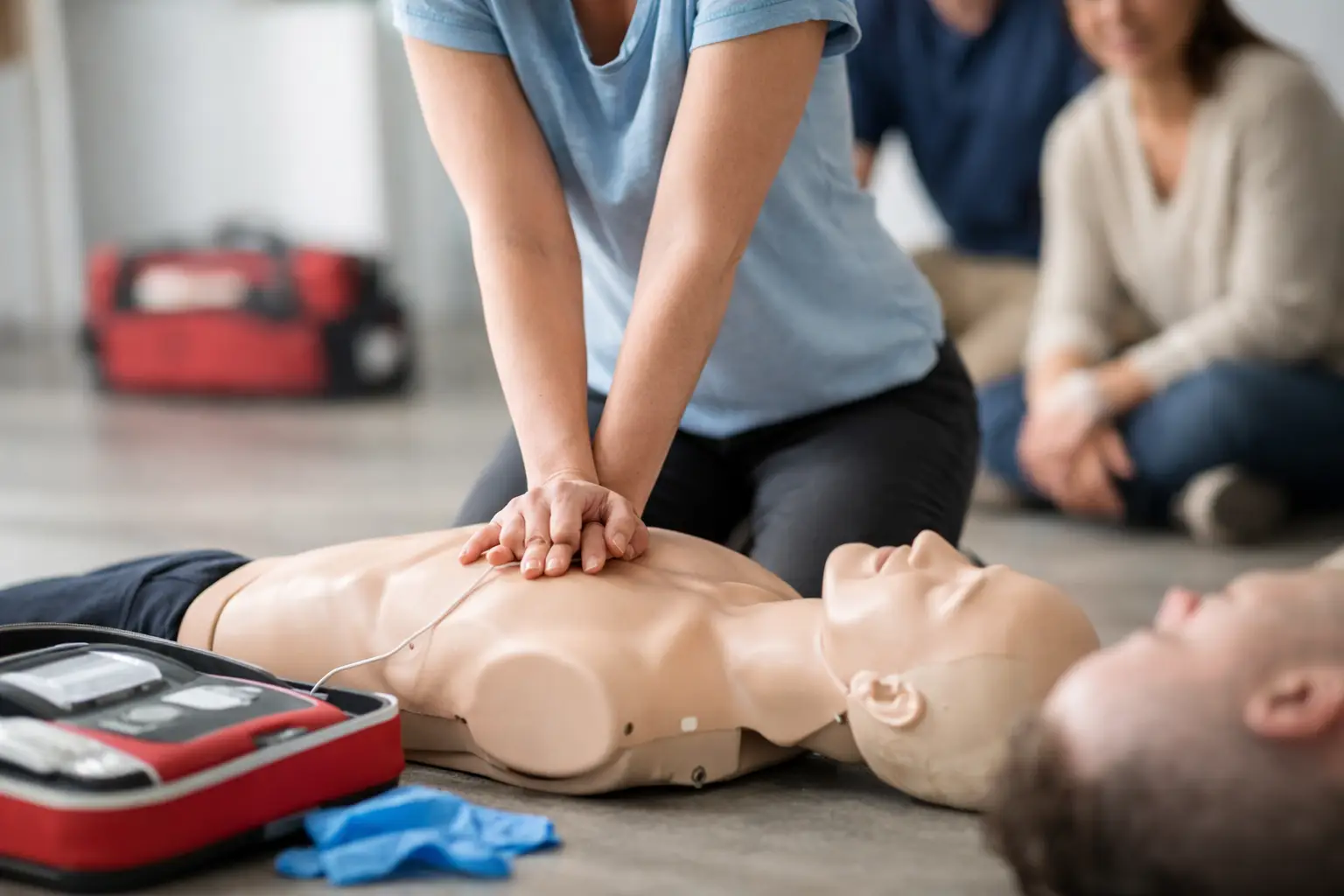
The AED is especially important because it can analyze the heart’s rhythm and, when appropriate, advise a shock. Modern AEDs are designed to guide the user with clear voice prompts. Training helps remove the hesitation that can keep someone from opening the case, applying the pads, or trusting the device’s instructions.
Confidence is learned through practice
Many people say they would help in an emergency, yet worry they will hurt the person or do something wrong. This concern is understandable. CPR training addresses it through repetition, feedback, and realistic scenarios.
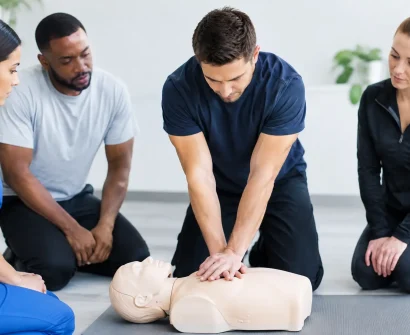
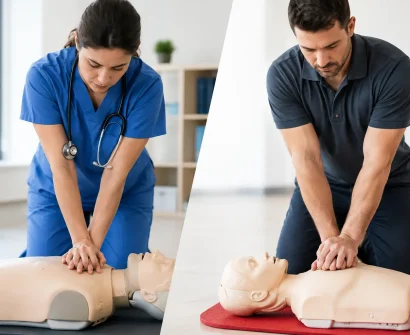
Learning on a manikin helps participants understand how to position their hands, how deeply and quickly to compress, and how tiring CPR can be. It also teaches that a real emergency may be messy and imperfect. The person may be in a crowded space. Family members may be frightened. Someone may need to meet paramedics at the door while another calls 911. Training prepares people to work through those realities instead of freezing when the situation does not look like a textbook example.
CPR Skills Are Different for Adults, Children, and Infants
A useful CPR course teaches that the right response depends on the person and the likely cause of the emergency. Sudden adult cardiac arrest is often related to a heart rhythm problem. For an adult who suddenly collapses and is not breathing normally, immediate chest compressions and rapid AED use are central priorities.
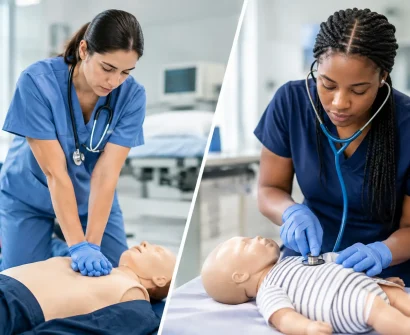
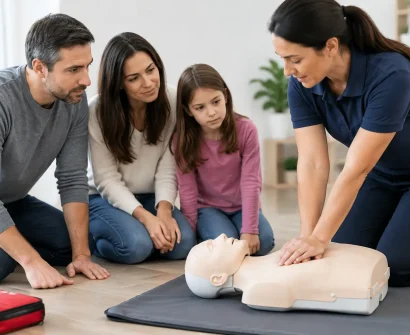
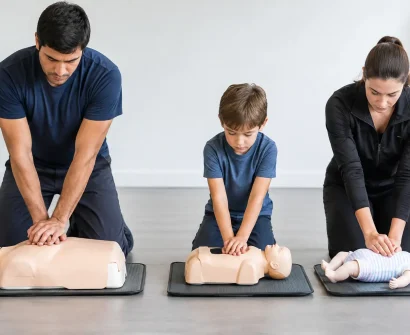
Children and infants may experience cardiac arrest for different reasons, including breathing problems, drowning, choking, or severe illness. In these situations, rescue breaths can be especially important along with high-quality compressions. Parents, grandparents, babysitters, daycare educators, teachers, and coaches benefit from learning age-appropriate CPR because emergencies involving children require a different approach than emergencies involving adults.
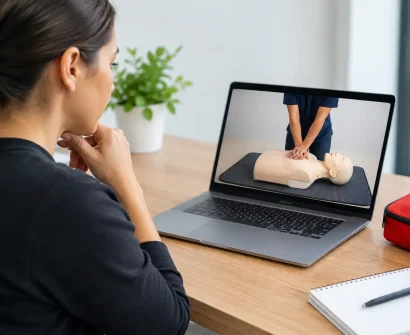
This is also why a quick online overview cannot always replace practical instruction. A course that includes instructor feedback and hands-on skills practice can help learners understand the differences in technique, sequence, and confidence required for each age group.
CPR Training Helps You Respond as Part of a Team
The person doing compressions is not the only person helping. Effective emergency response often involves several people taking clear roles. One person can call 911, another can begin CPR, another can locate an AED, and another can guide emergency responders to the scene.
For workplaces, schools, sports programs, and community organizations, this shared readiness matters. A written emergency plan is useful, but it works best when people have practiced the skills behind it. Staff should know where AEDs and first aid supplies are located, who can contact emergency services, and how to communicate clearly during a crisis.
Training can also help teams recognize when to switch CPR providers. Chest compressions are physically demanding, and their quality may decline as fatigue sets in. A prepared team can rotate rescuers efficiently while keeping interruptions as short as possible.
The right course depends on your responsibilities
Not everyone needs the same level of training. A parent may choose a CPR and AED course that includes child and infant skills. A workplace team may need first aid and CPR training that meets organizational safety requirements. Healthcare professionals may require Basic Life Support, ACLS, PALS, PEARS, or recertification training based on their role and licensing requirements.
The trade-off is simple: a shorter awareness session can introduce the basics, but a recognized, hands-on course provides more opportunity to practice decision-making and physical skills. For people responsible for patients, children, employees, or vulnerable community members, that practice is often essential.
Learning CPR Protects More Than One Person
When someone experiences a medical emergency, the people nearby can carry the memory of that event for a long time. Knowing you took meaningful action can reduce the helplessness that often follows a crisis. It can also give family members reassurance that their loved one was not alone while waiting for emergency services.
CPR training creates a broader culture of preparedness. A trained parent may encourage a grandparent to take a course. A workplace participant may notice that the AED cabinet is blocked or that colleagues do not know the emergency procedure. A coach may decide to bring a first aid kit and confirm emergency contacts before the season begins. These are small decisions, but they make homes, workplaces, and public spaces safer.
Preparedness should not be confused with fear. Most people will never need to perform CPR. Still, emergencies are unpredictable, and the skills are most valuable when they are learned before the need becomes personal.
Keep CPR Skills Current
CPR is a skill that fades when it is not used. Even confident learners can forget the correct compression technique, sequence of actions, or how to respond when an AED arrives. Renewal and recertification courses provide an opportunity to refresh those skills, receive updated guidance, and regain comfort with hands-on practice.
For healthcare professionals, current certification may be required for employment or professional practice. For non-medical participants, refreshing CPR is an investment in readiness for the people who share their home, workplace, classroom, or community. It is also a chance to ask questions that may not have come up during a first course.
Save a Life First Aid & CPR Training provides practical, instructor-led options for learners across Laval and the Greater Montreal area, including courses for first-time participants, workplaces, caregivers, and healthcare professionals. The best course is the one that matches your responsibilities and gives you the chance to practice the skills you may one day need.
No one can predict where a medical emergency will happen or who will be nearby. Choosing to learn CPR now means that, if the moment comes, you can move from concern to action and help protect a life before professional care arrives.