
Currently Empty: $0.00
A crowded course calendar can make a simple goal feel harder than it should be. If you are trying to choose cpr and first aid certification classes, the right option depends less on picking the fastest class and more on matching the training to the situations you may actually face.
That matters because not all certifications prepare people for the same emergencies. A parent, a teacher, a dental assistant, and an ICU nurse may all need lifesaving training, but they do not need the same course depth, the same renewal schedule, or the same clinical focus. Good training should make you more confident, not leave you guessing whether you enrolled in the wrong class.
Why cpr and first aid certification classes are not one-size-fits-all
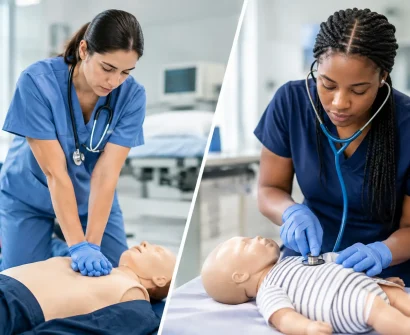
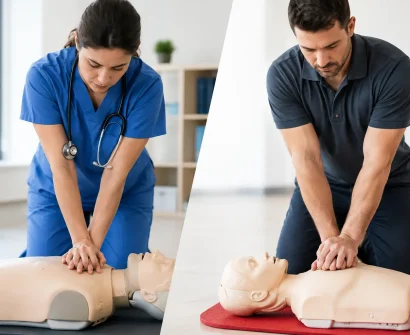
The term sounds broad because it is broad. Some courses are built for the general public and focus on common emergencies such as choking, severe bleeding, burns, allergic reactions, and cardiac arrest. Others are designed for healthcare professionals who need to recognize deterioration, manage airways, work as part of a resuscitation team, and meet employer or licensing requirements.
This is where many learners get stuck. They assume any CPR card is enough, or they register for an advanced course when a community-level certification would better fit their role. The best choice starts with one question: what setting are you training for?
If your goal is preparedness at home, at school, in childcare, or in the workplace, a Heartsaver CPR AED or standard first aid course may be the most practical path. If you work in a clinical setting or need credentials tied to patient care responsibilities, courses such as BLS, ACLS, PALS, or PEARS are usually more appropriate. The difference is not just terminology. It affects the scenarios you practice, the equipment you use, and the level of decision-making expected during training.
How to choose the right cpr and first aid certification classes
Start with your requirements, not your preferences. If your employer, college program, regulator, or clinical placement specifies a course, that should guide your decision first. Healthcare settings are especially strict about accepted certifications, and taking the wrong course can cost you time and money.
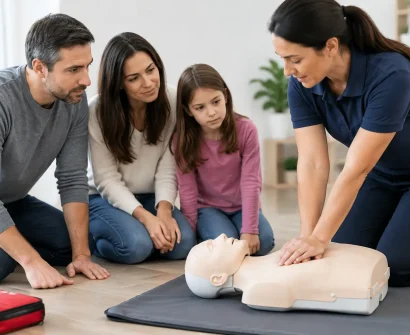
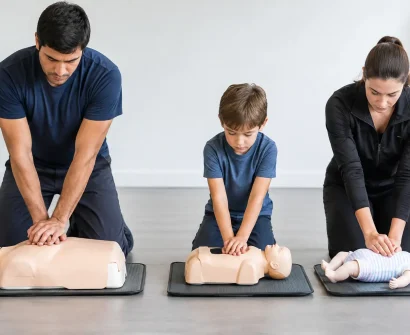
If you are not training for a formal workplace requirement, think about who you are most likely to help. Parents and caregivers often benefit from training that includes child and infant CPR, choking response, and common household emergencies. Teachers, coaches, and workplace safety leads may need broader first aid content plus AED use. Childcare staff may need a course that aligns with state or employer policies. In other words, the right class is often the one that reflects your real environment.
Your current experience level matters too. A beginner usually benefits from a full certification course with plenty of hands-on practice. Someone who already holds a valid credential may be eligible for a renewal or recertification course instead. That can be more efficient, but only if your certification is still within the accepted renewal window and your provider accepts that path.
There is also the question of pace. Some learners want the structure of a fully in-person course, while others prefer blended learning that combines online coursework with an in-person skills session. Neither format is automatically better. It depends on how you learn and what your schedule allows.
Understanding common course types
For many non-clinical learners, CPR AED and first aid courses offer the strongest starting point. These classes teach immediate response steps for cardiac arrest and everyday emergencies while keeping the instruction practical and accessible. They are often the best fit for families, educators, community members, and employees who want recognized training without the added complexity of advanced medical content.
BLS is different. Basic Life Support is generally intended for healthcare professionals and trained responders who need to perform CPR in professional care environments. The focus is more structured, often emphasizing team dynamics, high-quality compressions, ventilation, and rapid intervention using professional protocols.
ACLS and PALS go further. These advanced courses are for providers managing cardiovascular and pediatric emergencies in clinical settings. They are not entry-level classes, and they are not the right choice for most community learners. PEARS sits in a more focused pediatric emergency space and may be relevant for professionals who care for children but do not necessarily need the full scope of PALS.
That range is exactly why course selection should be deliberate. A broader catalog is useful only when learners can clearly identify where they fit.
In-person or blended learning?
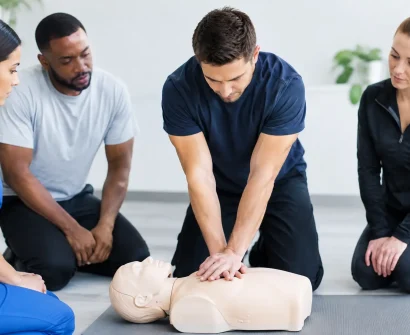
This decision is often practical, but it has a real impact on confidence. In-person classes give learners immediate coaching, repetition, and correction during skills practice. For people who feel nervous about compressions, rescue breathing, or first aid scenarios, that live feedback can make a major difference.
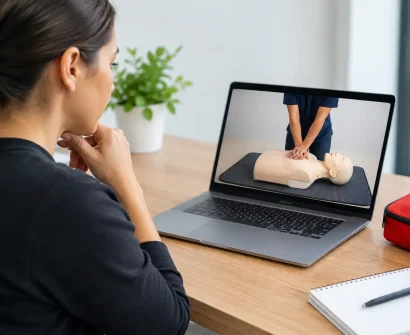
Blended learning can be an excellent option for busy professionals and adults balancing work or family responsibilities. Completing the knowledge portion online gives you flexibility, while the in-person skills session keeps the training grounded in hands-on performance. For many learners, this format offers the best balance of convenience and skill validation.
The trade-off is simple. If you learn best by asking questions in real time and practicing with an instructor from the beginning, in-person training may feel stronger. If your schedule is tight and you are comfortable moving through content independently before a practical session, blended learning may be the better fit.
What good training should include
A strong class does more than check a certification box. It should help you recognize emergencies quickly, respond in the right order, and stay calm under pressure. That means quality instruction needs to go beyond slides or memorization.
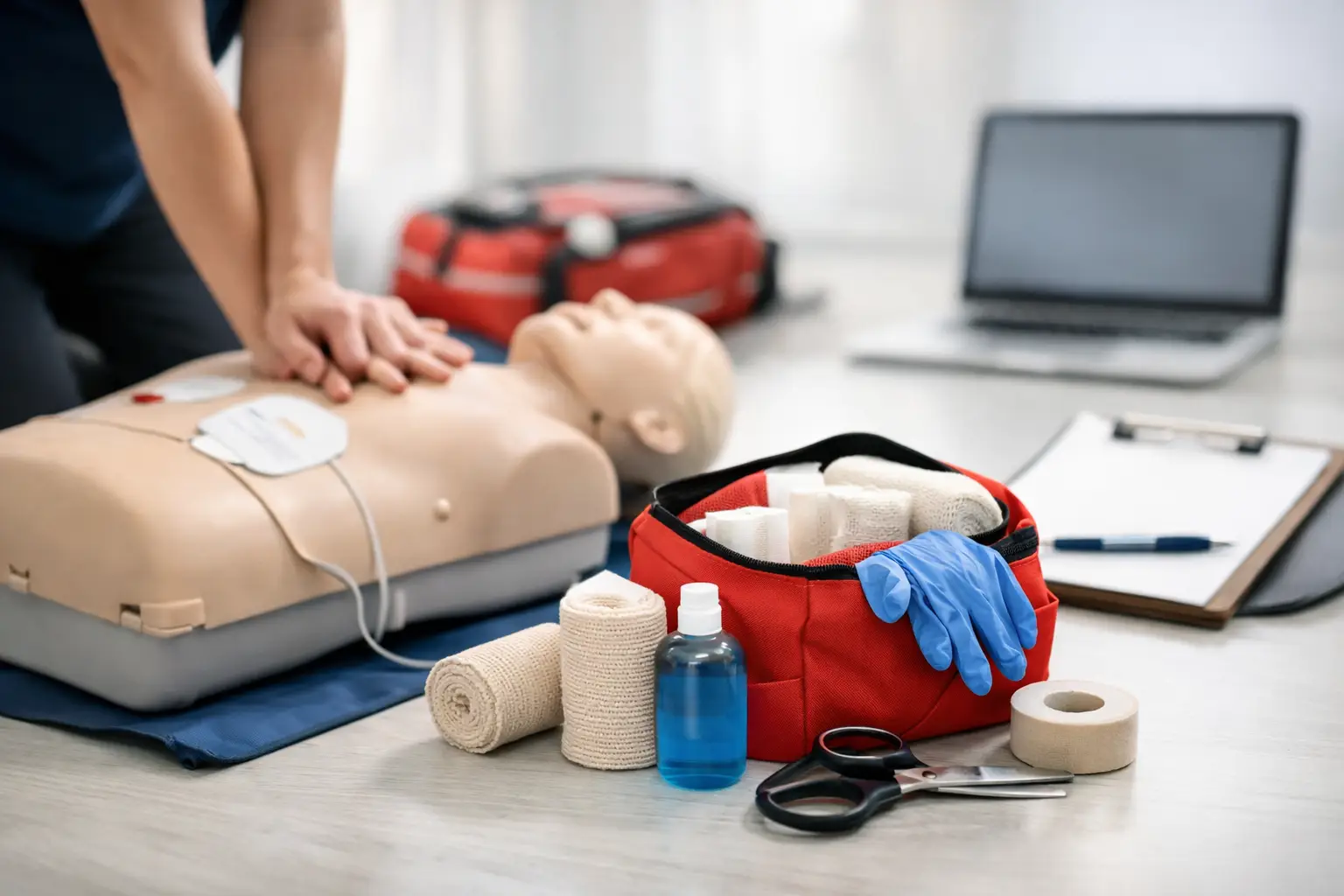
Look for courses that include hands-on skills assessment, realistic scenarios, clear instructor guidance, and recognized certification pathways. You want to leave training knowing not just what the steps are, but how they feel when time matters. Compression depth, AED pad placement, bleeding control, recovery position, and choking response are all easier to remember when you have physically practiced them.
This is one reason many learners choose providers that train both healthcare professionals and the general public. That kind of range often reflects a deeper commitment to practical instruction and real-world readiness. Save a Life, for example, builds its programs around recognized certifications and hands-on preparedness so learners can choose a course that fits both their responsibilities and their comfort level.
Mistakes people make when registering
One of the most common mistakes is assuming all certifications are interchangeable. They are not. A community CPR course may be excellent training, but it may not satisfy a hospital onboarding requirement. On the other hand, an advanced provider course may be unnecessary for someone who simply wants to respond effectively at home or at work.
Another mistake is waiting until the last minute for renewal. Course availability, expiration windows, and employer deadlines do not always line up neatly. If you need an active credential for a job, a practicum, or a license, plan ahead so you are not forced into a class that does not suit your schedule.
People also underestimate the value of location and timing. A course that fits your calendar is more likely to get completed. That sounds obvious, but convenience matters. If the process feels too difficult, many people delay training they genuinely need.
Training for confidence, not just compliance
There is nothing wrong with taking a course because your job requires it. Compliance matters. Certifications exist for a reason, and regulated roles need clear standards.
Still, the best cpr and first aid certification classes do something more useful than meet a policy requirement. They help you respond when a child chokes at dinner, when a coworker collapses, when a patient needs immediate intervention, or when someone nearby is bleeding and every second counts. That confidence does not come from a card alone. It comes from practice, clarity, and instruction that prepares you for action.
If you are choosing a course now, keep the decision simple. Match the class to your role, make sure the certification meets your requirements, and choose a format you will actually complete. The right training does not just teach procedures. It gives you the readiness to step forward when someone needs help most.