
Currently Empty: $0.00
A CPR course can feel like a box to check until someone suddenly collapses at work, a child begins choking, or a family member becomes unresponsive. In that moment, the quality of your training matters. Knowing how to choose the right CPR training provider in Laval means looking beyond price and finding instruction that prepares you to recognize an emergency, act promptly, and use your skills with confidence.
The right choice depends on why you need training. A nurse renewing a clinical credential, a daycare educator meeting licensing requirements, and a parent preparing for emergencies at home may all need CPR education, but they may not need the same course, format, or certification. Start with your purpose, then compare providers based on the factors that directly affect the value of your training.
Start With the Certification You Actually Need
Before comparing class dates or course fees, confirm exactly what your employer, school, professional order, licensing body, or organization requires. Requirements can be specific. They may name a particular course level, specify whether AED training is included, require an in-person skills assessment, or set a renewal deadline.
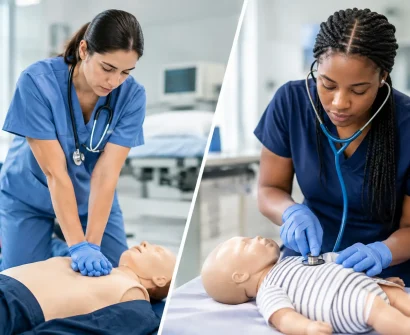
For many healthcare professionals, Basic Life Support (BLS) is the foundation. Depending on the role and workplace, advanced credentials such as ACLS, PALS, or PEARS may also be required. A clinical course should match the level of decision-making, team response, and patient population you encounter.
For workplaces, schools, coaches, caregivers, and members of the public, CPR and AED training may be paired with Emergency First Aid or Standard First Aid. Childcare professionals often need a daycare-specific first aid course that addresses the needs of infants and children. Choosing a course that is too basic can leave you short of a requirement. Choosing one that is more advanced than necessary can add cost and time without providing practical value for your role.
If the requirement is unclear, ask the organization requesting certification before you register. A reputable training provider should also be able to explain the intended audience, prerequisites, course length, and renewal expectations without making assumptions about your needs.
How to Choose a CPR Training Provider in Laval
A provider’s course title alone does not tell you whether the training will meet your needs. Look at the learning experience, credential recognition, and practical support behind the listing.
Confirm Recognition and Acceptance
First, verify that the certificate will be accepted by the employer, institution, regulator, or program that requires it. Ask what organization issues the certification, how long it remains valid, and whether a digital or printed certificate is provided after successful completion.
This is particularly important for healthcare professionals and students. Hospitals, clinics, educational programs, and professional organizations can have different policies. Do not assume that any CPR card is interchangeable. A provider should be clear about what its course includes and should never promise acceptance by an outside organization without confirmation.
Prioritize Hands-On Practice
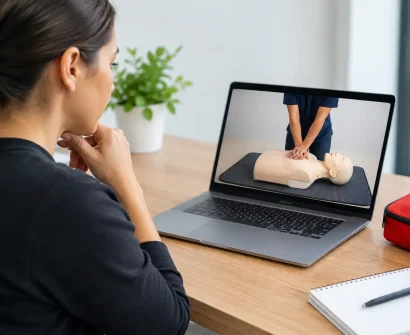
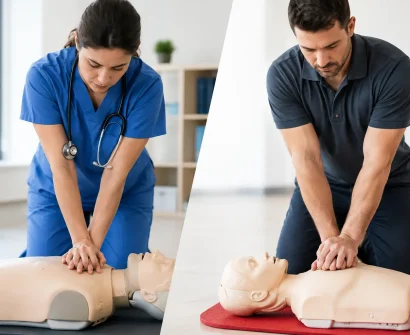
CPR is physical, time-sensitive, and skill-based. Watching a video can introduce concepts, but it cannot replace practicing chest compressions, rescue breaths when applicable, AED use, positioning, and emergency response decisions.
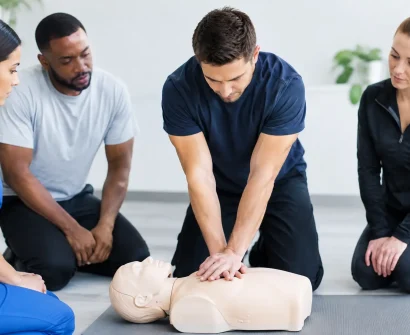
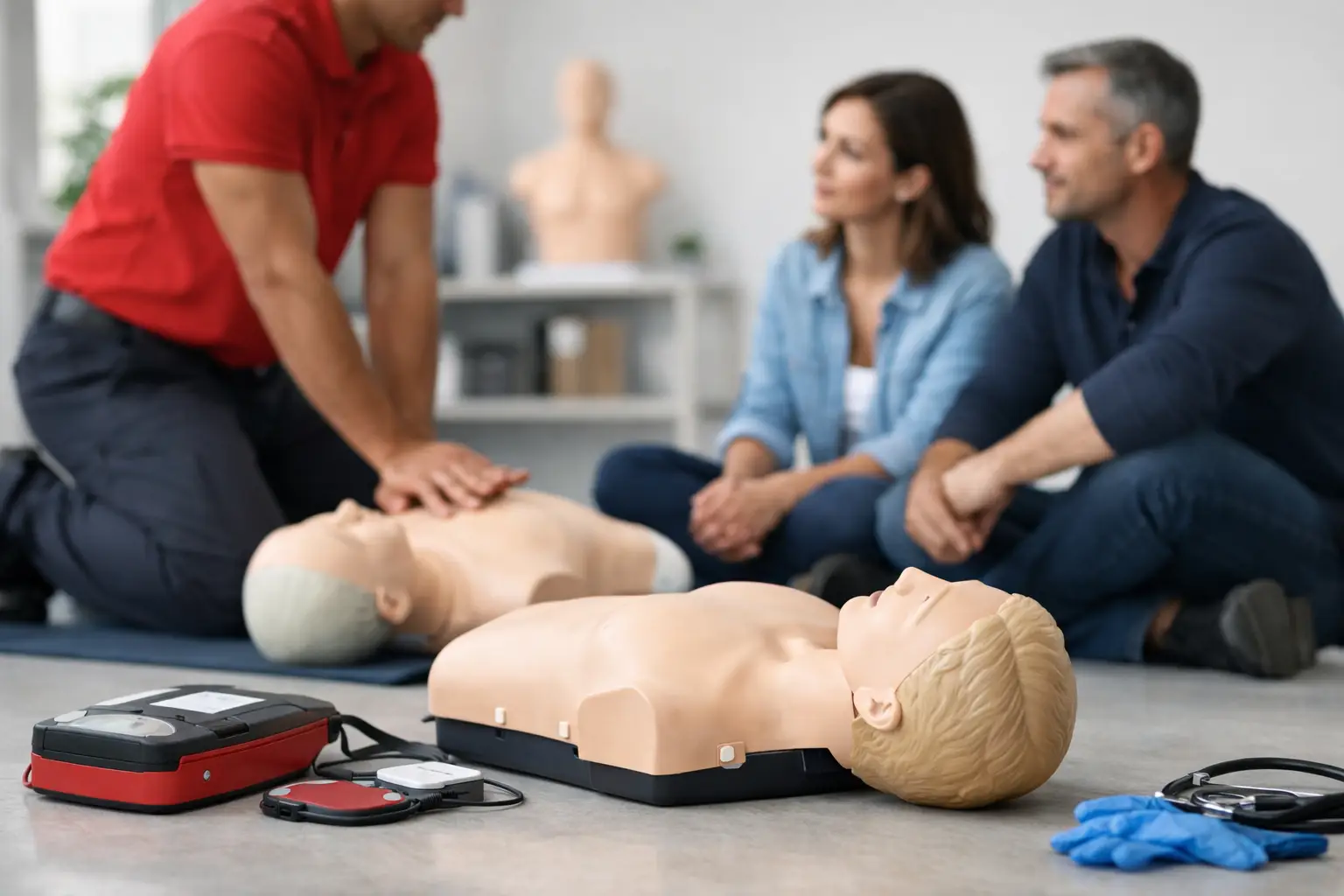
Choose a provider that includes instructor-led practice and an in-person skills evaluation when your course requires it. During class, you should have opportunities to work with training manikins, receive feedback on compression depth and rate, and become familiar with AED prompts. That feedback is where confidence begins to develop.
Blended learning can be an excellent option for busy adults. It typically combines self-paced online education with a scheduled, hands-on classroom session. The trade-off is that you must complete the online portion carefully and arrive prepared to practice. Blended learning is not a shortcut, but it can make recognized training more accessible when your schedule is tight.
Look at Instructor Experience and Class Environment
An effective instructor makes technical material understandable without making learners feel intimidated. CPR courses often include people with very different levels of experience, from first-time parents to seasoned healthcare professionals. Good instruction meets participants where they are while still holding everyone to meaningful skills standards.
Ask whether classes are designed for your audience and whether instructors provide real-time coaching. A smaller or well-managed class can allow more practice time and personal feedback, while a larger group may work well for an organized workplace session with adequate instructors and equipment. Neither format is automatically better. The key is whether every participant has sufficient time to practice and demonstrate competency.
It is also worth considering the learning environment. Training should be professional, welcoming, and focused. You should feel comfortable asking questions about situations that matter to you, whether that means responding to a cardiac arrest in a clinic, an emergency at a sports field, or a choking incident at home.
Compare the Full Value, Not Just the Posted Price
The lowest course fee is not always the best value. Compare what is included: course materials, certification processing, skills testing, AED instruction, first aid content, and any applicable taxes or administrative fees. Find out when you will receive your certificate, especially if you have an employment or school deadline.
Also consider the cost of an incomplete or unsuitable course. If you select training that does not meet your workplace requirement, you may have to register and pay again. Clear course information before registration is a sign that a provider respects your time.
For organizations arranging group training, ask about scheduling, participant capacity, location options, and whether the program can be matched to the risks of the workplace. A construction team, office staff, school personnel, and childcare educators face different emergency scenarios. Relevant examples make training easier to remember and apply.
Choose a Location and Schedule You Can Commit To
Convenience supports completion. Look for a Laval training location that is reasonably accessible by car or transit, with class times that work around clinical shifts, work hours, family responsibilities, or school schedules. If you need to travel from Montreal, the North Shore, Longueuil, or another nearby community, factor travel time into your decision.
However, convenience should not come at the expense of required hands-on learning. Be cautious of courses that advertise a very fast credential but provide little information about skills practice, assessments, or certificate acceptance. CPR training should be efficient, but it should still give you time to learn and demonstrate essential actions.
Ask What Support Is Available Before and After Class
A quality provider makes the registration process straightforward. Course descriptions should identify who the class is for, what participants need to bring, whether prerequisites apply, and how to prepare. If you are renewing an advanced course, ask whether you need to present a current credential or complete pre-course work.
After training, practical support matters as well. Participants may need proof of certification for an employer, help understanding renewal timelines, or guidance when selecting their next level of training. Clear communication reduces avoidable stress, especially for professionals working against a credential deadline.
Questions Worth Asking Before You Register
Before committing to a course, ask the provider these questions:
- Will this certification meet my employer, school, licensing, or professional requirement?
- How much of the course is hands-on, instructor-led practice?
- Is there an in-person skills assessment, and what do I need to complete it successfully?
- What is included in the course price, and when will I receive my certificate?
- Are there prerequisites, renewal rules, or online modules I must finish before class?
The answers should be direct and specific. If course details are vague or you cannot get clarity about recognition, class format, or certification timing, keep looking.
Match the Course to the Emergency You May Face
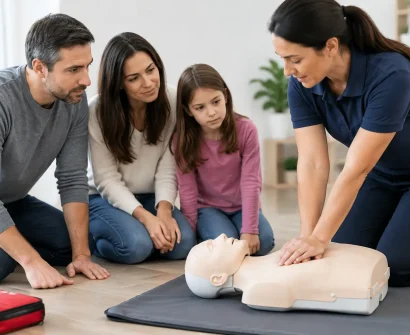
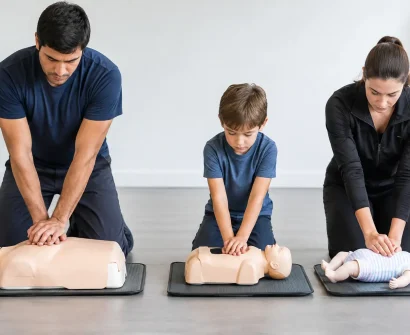
The most useful training reflects the people and environments you serve. Parents and grandparents may place special value on infant and child CPR, choking response, and emergency planning at home. Teachers, coaches, and camp staff may need to think about group safety, AED access, and communicating clearly with emergency services. Healthcare professionals need training that supports clinical teamwork and rapid recognition of cardiac and respiratory emergencies.
This is why course selection should be personal rather than automatic. The right provider will help you identify the appropriate path without pressuring you into a course that does not fit your role.
At Save a Life First Aid & CPR Training, the goal is practical, instructor-led education that helps participants meet their requirements while building the confidence to respond when seconds matter. Whether you need a first certification, a recertification, or advanced healthcare training, choose a course that gives you more than a card. Choose training that helps you protect lives.