
Currently Empty: $0.00
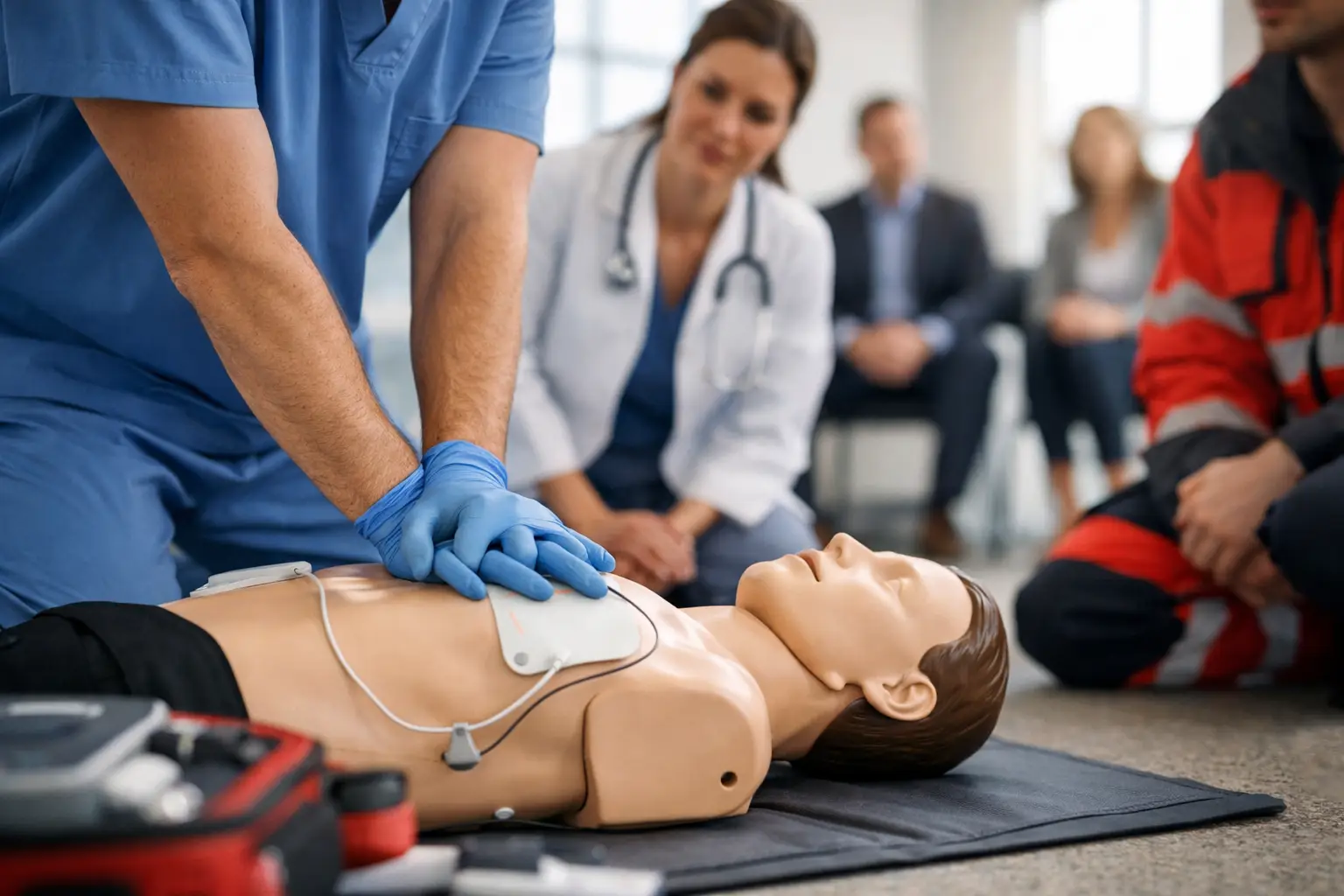
A person collapses at a clinic, a recreation center, or a family gathering. In those first minutes, the response needs to be organized, fast, and based on practiced skills – not guesswork. That is the real purpose behind the question, what is basic life support (BLS) certification and who needs it? BLS training prepares people to recognize life-threatening emergencies, start high-quality CPR, use an AED, and work effectively until more advanced care arrives.
For many healthcare professionals, BLS certification is a condition of employment, clinical placement, or professional practice. For others, it is a practical way to protect the people they care for at work, at home, or in the community.
What is Basic Life Support (BLS) certification?
Basic Life Support, commonly called BLS, is a hands-on emergency response certification focused on cardiac arrest, respiratory emergencies, choking, and other immediate threats to life. It teaches participants how to assess a scene, recognize when someone is unresponsive or not breathing normally, activate emergency response systems, and begin care without delay.
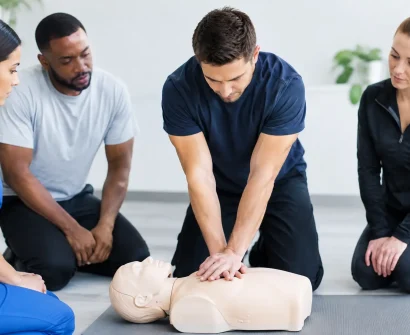
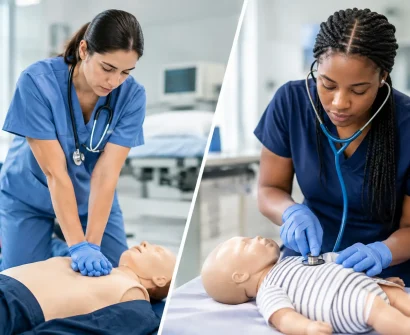
A BLS course is more than a lecture about CPR. Participants practice the physical steps that matter under pressure: chest compressions with correct depth and rate, effective rescue breaths when required, safe AED use, and choking relief. Training commonly covers adult, child, and infant care because the response can change depending on the patient’s age and size.
BLS also places strong emphasis on team response. In a clinical setting, one rescuer may perform compressions while another prepares the AED, provides breaths, calls for help, or records events. Clear communication and coordinated role changes help reduce interruptions in CPR. Those details can make a meaningful difference when every second counts.
The skills a BLS course typically covers
Course content varies slightly by the certifying organization and the learner’s professional scope, but a recognized BLS program generally includes high-quality CPR, AED operation, relief of choking, and the response to respiratory arrest or cardiac arrest. Healthcare-focused courses may also include bag-mask ventilation and team dynamics.
The hands-on component is essential. Reading about compression rate is not the same as practicing compressions on a manikin and receiving instructor feedback. Participants need to feel what effective technique requires, learn how fatigue affects performance, and become comfortable placing AED pads and following the device prompts.
Most certification courses also teach participants to identify abnormal breathing. Gasping or occasional irregular breaths can be mistaken for normal breathing, which may delay CPR. BLS training helps learners recognize that uncertainty is a reason to act quickly and seek emergency assistance.
Who needs BLS certification?
BLS certification is most often required for people who may need to respond to medical emergencies as part of their role. The exact requirement depends on an employer, licensing body, school, hospital, or clinical placement site. A course that is appropriate for one position may not meet the requirements for another, so it is wise to confirm the accepted certification before registering.
Healthcare and clinical professionals
Physicians, nurses, paramedics, respiratory therapists, pharmacists, dental professionals, personal support workers, and allied healthcare providers commonly need BLS certification. Medical, nursing, dental, and other health program students may also need it before beginning placements.
For these professionals, BLS is a core clinical skill. A patient can experience cardiac or respiratory arrest in a hospital room, dental office, long-term care residence, pharmacy, or outpatient clinic. Even when advanced equipment and emergency teams are nearby, the first responder’s ability to begin effective care immediately matters.
Healthcare workers who later take ACLS, PALS, PEARS, or other advanced courses usually need a current BLS credential as a foundation. Advanced resuscitation training builds on the same priorities: early recognition, strong CPR, rapid defibrillation when appropriate, and coordinated teamwork.
Childcare, education, and youth program staff
Daycare educators, teachers, school staff, coaches, camp leaders, and babysitters may be required to hold CPR and first aid credentials. Whether they specifically need BLS depends on the organization and its policies.
A standard CPR or first aid course may be the right choice for many non-clinical roles. BLS is often better suited to those who need healthcare-level CPR skills, work in higher-risk environments, or have an employer that specifically requests it. The important point is not to assume every CPR certificate is interchangeable.
Workplace safety teams and public-facing staff
Some employers require designated first aid responders to maintain first aid and CPR certification, while others choose BLS for employees who work in fitness facilities, senior living communities, security, transportation, sports organizations, or public venues. The right course depends on job responsibilities, workplace hazards, and local requirements.
Workplaces benefit when more than one person can respond. Cardiac arrest does not wait for the designated responder to be nearby, available, or on shift. Training several team members helps build a stronger safety culture and improves the odds that someone can begin care while emergency services are on the way.
Parents, caregivers, and community members
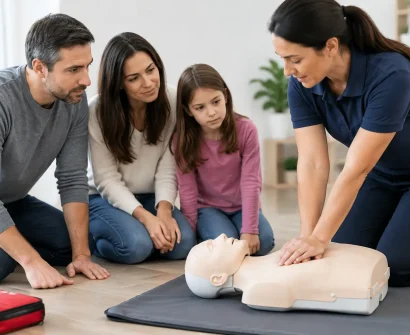
No one needs to be a healthcare professional to benefit from BLS knowledge. Parents, grandparents, caregivers, volunteers, and community members may choose BLS because they want more thorough, hands-on preparation for an emergency.
For some families, a CPR and first aid course is the most practical fit. For others, especially those caring for an infant, older adult, or person with known health concerns, BLS training can offer added confidence. The best choice depends on the person’s responsibilities and the type of emergency response skills they want to develop.
BLS certification vs. CPR and first aid certification
These terms are often used as if they mean the same thing, but they are not identical. CPR training focuses on cardiopulmonary resuscitation and may include AED use and choking relief. First aid training covers a broader range of injuries and illnesses, such as bleeding, burns, allergic reactions, fractures, and medical emergencies.
BLS is typically more intensive and more clinically focused than a general CPR course. It places greater attention on high-performance CPR, rescue breathing, patient assessment, and team-based resuscitation. That is why BLS is commonly required in healthcare and clinical environments.
Choosing the wrong course can create problems later. A learner may complete a general CPR class only to find that an employer or school requires healthcare-provider BLS. Before enrolling, ask what certification level is accepted, whether an in-person skills assessment is required, and how long the credential must remain current.
What happens during BLS training?
A quality BLS course combines instruction with repeated practice. Learners review emergency response steps, watch demonstrations, perform skills on manikins, and receive coaching from an instructor. They may practice both individual and team scenarios, including how to switch compressors efficiently when fatigue begins to affect CPR quality.
Assessment usually includes demonstrating essential skills and completing a knowledge evaluation. The goal is not simply to pass a test. It is to leave knowing what to do when a person is unresponsive, how to use an AED without hesitation, and how to communicate with other responders.
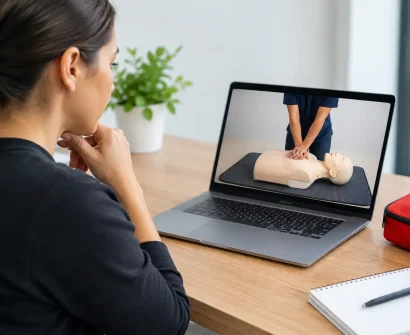
Blended learning can be a useful option for busy professionals and workplaces. It allows participants to complete part of the educational content online, then attend a scheduled in-person session for hands-on practice and evaluation. This format can be convenient, but the in-person skills portion remains critical because lifesaving techniques must be performed, not just understood.
How often should BLS be renewed?
BLS credentials have an expiration date, and renewal periods differ by certifying organization, employer, professional regulator, and course provider. Many workplaces require regular renewal, and some organizations expect more frequent practice or refresher education even when a certificate remains valid.
Renewing on time protects more than a job requirement. CPR guidelines can change, practical skills can fade, and confidence drops when training is left unattended for too long. A renewal course gives participants a chance to correct habits, practice current techniques, and return to real-world scenarios with a clearer response plan.
If you are registering for the first time, confirm whether you need a full course or whether you qualify for renewal. Also verify that your course meets the standards required by your employer, school, or licensing organization.
A BLS certificate is valuable, but the deeper value is readiness. When an emergency happens, calm action begins with skills that have been practiced well enough to use when they matter most.