
Currently Empty: $0.00
A job offer, clinical placement, or daycare role can come with a short deadline: provide a valid CPR card before your first shift. That is when many learners ask, is blended CPR certification accepted? In many cases, yes – but acceptance depends on who issued the credential, what the course includes, and the requirements of the employer, school, licensing body, or regulatory authority reviewing it.
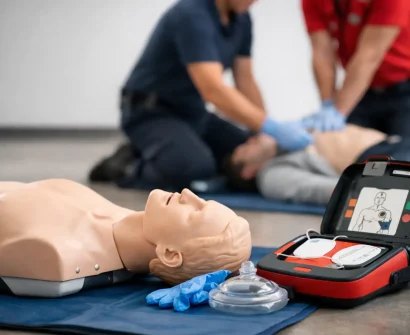
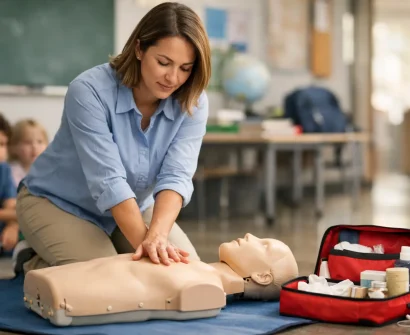
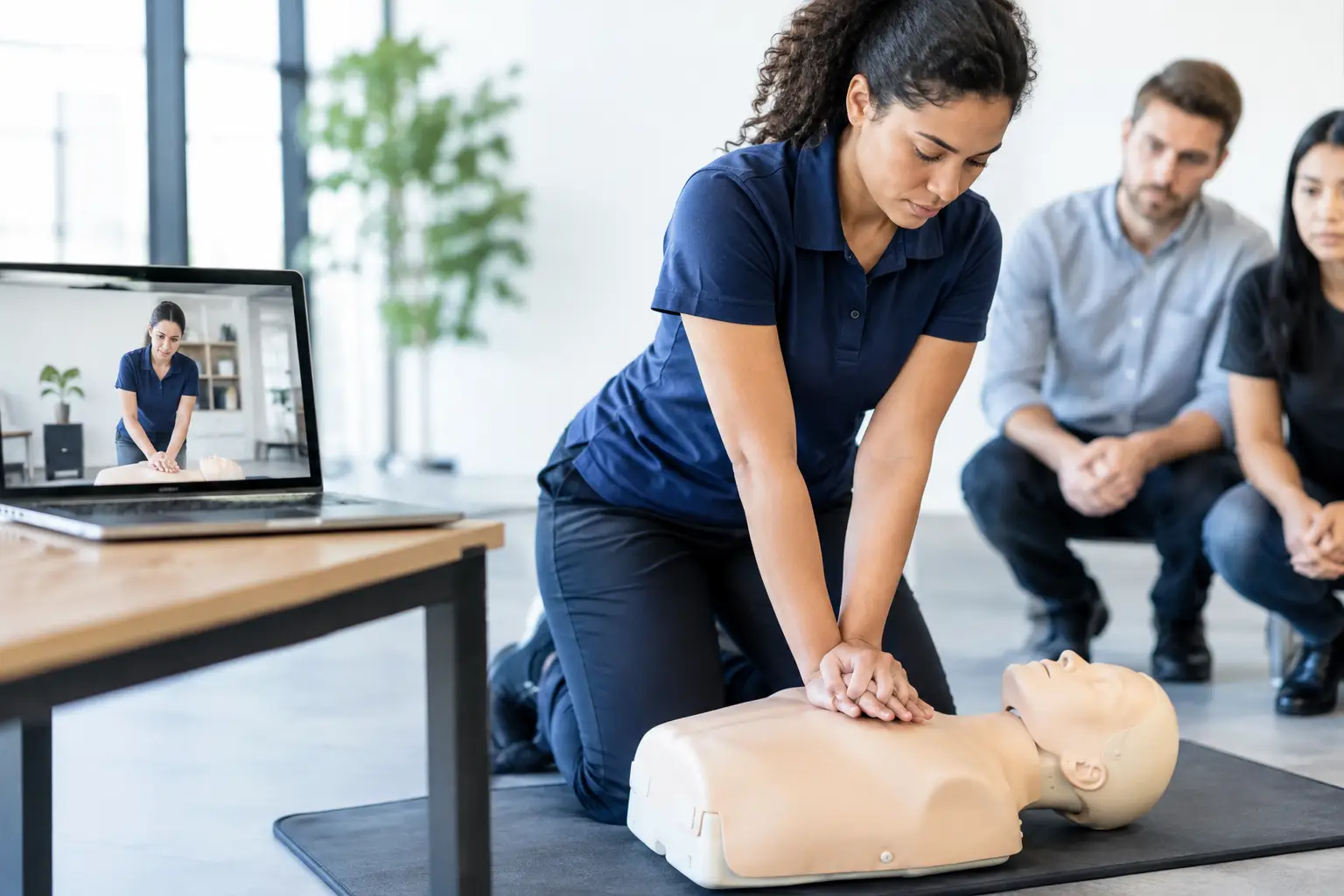
Blended learning can be a practical and highly effective option because it combines self-paced online instruction with an in-person skills session. It is not the same as taking CPR entirely online. The hands-on portion is where an instructor verifies that you can perform chest compressions, use an AED, provide breaths when required, and respond appropriately in realistic emergency scenarios.
Is Blended CPR Certification Accepted by Employers?
Many workplaces accept a blended CPR certification when it comes from a recognized training organization and includes an instructor-led, in-person skills evaluation. For employers, the key issue is rarely whether you completed some learning online. The issue is whether your final certification meets the standard required for the role.
A blended course is often accepted for workplace first aid teams, teachers, coaches, fitness professionals, caregivers, parents, and many community-facing roles. It may also be accepted for healthcare-related positions when the course is the correct level, such as Basic Life Support (BLS), and the training provider follows the required curriculum and skills-testing process.
However, never assume that every blended format will qualify. Some employers specify a particular certifying organization, course name, or provider. Hospitals, dental offices, ambulance services, colleges, and professional programs may have especially specific requirements. A course that is appropriate for a workplace CPR requirement may not meet the requirement for a nursing placement or advanced clinical position.
Before registering, ask the person reviewing your certification one clear question: “Do you accept a blended course with online learning and an in-person instructor-led skills session?” If they require a particular credential, ask for the exact course name and issuing organization as well.
Why the Hands-On Session Makes the Difference
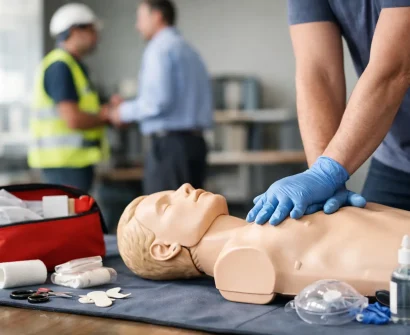
CPR is a physical skill. Reading about compression depth is not the same as delivering compressions at the right depth and rate on a manikin. Watching an AED demonstration is not the same as placing pads, following prompts, and keeping the scene safe under time pressure.
In a quality blended program, the online module covers the knowledge portion: recognizing cardiac arrest, calling for help, understanding CPR steps, AED safety, choking response, and the reasons behind each action. The classroom session then turns that knowledge into performance. An instructor observes, coaches, corrects technique, and confirms that each participant can meet the course standards.
This format can offer a valuable balance. Learners can complete the theory at a manageable pace, pause to review complex material, and arrive at the skills session prepared to practice. Classroom time is focused on what matters most in an emergency: confident, accurate action.
A fully online CPR course without a live skills assessment is different. It may be useful for general awareness or personal education, but it is often not accepted where a formal workplace, professional, or licensing certification is required. The absence of hands-on evaluation is the main limitation.
How to Tell Whether a Blended Course Will Meet Your Requirement
The safest approach is to verify the course before paying or completing the online portion. Start with the requirement itself, not with the course format. Look at your employer’s onboarding documents, school placement instructions, job posting, or licensing guidance.
Then compare that requirement with the course details. Confirm the level of certification, the issuing organization, the validity period, and whether the program includes a live, in-person skills component. For example, “CPR/AED” may be sufficient for one position, while a healthcare role may require BLS with training for adult, child, and infant patients.
It also helps to ask what will appear on the completion card or certificate. The document should clearly identify the course completed, the participant, the date, and the recognized issuer. If a reviewer needs to verify the training, vague wording such as “online CPR course” may create unnecessary questions.
When in doubt, contact the employer, school, or regulator before enrolling. This small step can prevent the frustration of completing a course that does not satisfy a required standard.
Requirements can differ by role
The same organization may have different requirements for different staff members. A front-desk employee may need basic first aid and CPR/AED. A daycare educator may need a designated pediatric or childcare-focused course. A nurse, paramedic, respiratory therapist, or medical student may need BLS and, depending on the setting, ACLS, PALS, or another advanced credential.
Recertification requirements can differ too. Some organizations accept a blended renewal course only if the previous certification is still current. Others require every learner to complete a full provider course. Do not rely solely on what a colleague took last year, since policies and course standards can change.
What to Look for in a Blended CPR Program
Choose a program that is transparent about both parts of the training. You should know how long the online module takes, how you access it, what to bring to the practical session, and whether successful completion of the online portion is required before attending class.
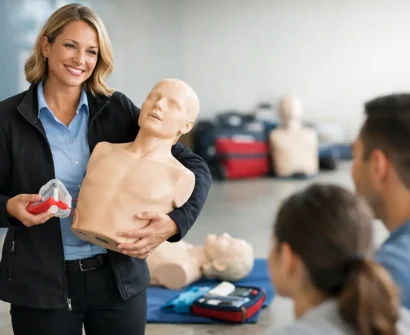
The in-person session should be led by a qualified instructor and include enough time for meaningful practice and evaluation. Participants should have access to appropriate manikins and AED training equipment, not simply watch a demonstration from across the room. Small-group practice is especially valuable because it gives each learner time to receive feedback and repeat skills until they are performed correctly.
Consider the audience the course was designed for. A parent may benefit from an approachable program that covers CPR, AED use, choking, and emergency readiness for adults, children, and infants. A healthcare professional needs a course aligned with clinical responsibilities, team-based response, and professional credential requirements.
Schedule flexibility is a real advantage of blended learning, but convenience should not replace quality. A shorter classroom session is appropriate only when the online component is complete and the skills assessment remains thorough.
Questions to Ask Before You Register
If your certification is tied to employment, education, or professional practice, get answers to these questions before selecting a course:
- Does my employer, school, or licensing organization accept blended learning for this requirement?
- Which exact course level do I need: CPR/AED, first aid and CPR, BLS, or an advanced certification?
- Is an in-person, instructor-evaluated skills session included?
- Who issues the final certification, and how long is it valid?
- Do I need a full course or a recertification course?
These questions are particularly useful for learners entering a new role. They also matter for workplaces booking group training, since one team can include employees with different certification needs.
Blended Learning Is About Preparation, Not Taking Shortcuts
Some people worry that blended CPR training is less serious than a traditional class. That concern is understandable, especially when the course is connected to real emergencies. But a properly designed blended course does not remove the practical standard. It moves the knowledge-based instruction online and preserves the in-person coaching, practice, and testing that build competence.
For many busy learners, this approach can improve preparation. Instead of trying to absorb every concept during one long classroom day, participants can review the material in advance and arrive ready to apply it. Questions can then focus on real-world decisions: when to start CPR, how to work with another responder, how to use an AED safely, and how to stay calm until emergency services arrive.
Save a Life First Aid & CPR Training offers flexible learning options that keep hands-on practice at the center of certification. The right course should leave you with more than a card. It should leave you ready to recognize an emergency, take the first critical steps, and protect the people who depend on you.