
Currently Empty: $0.00
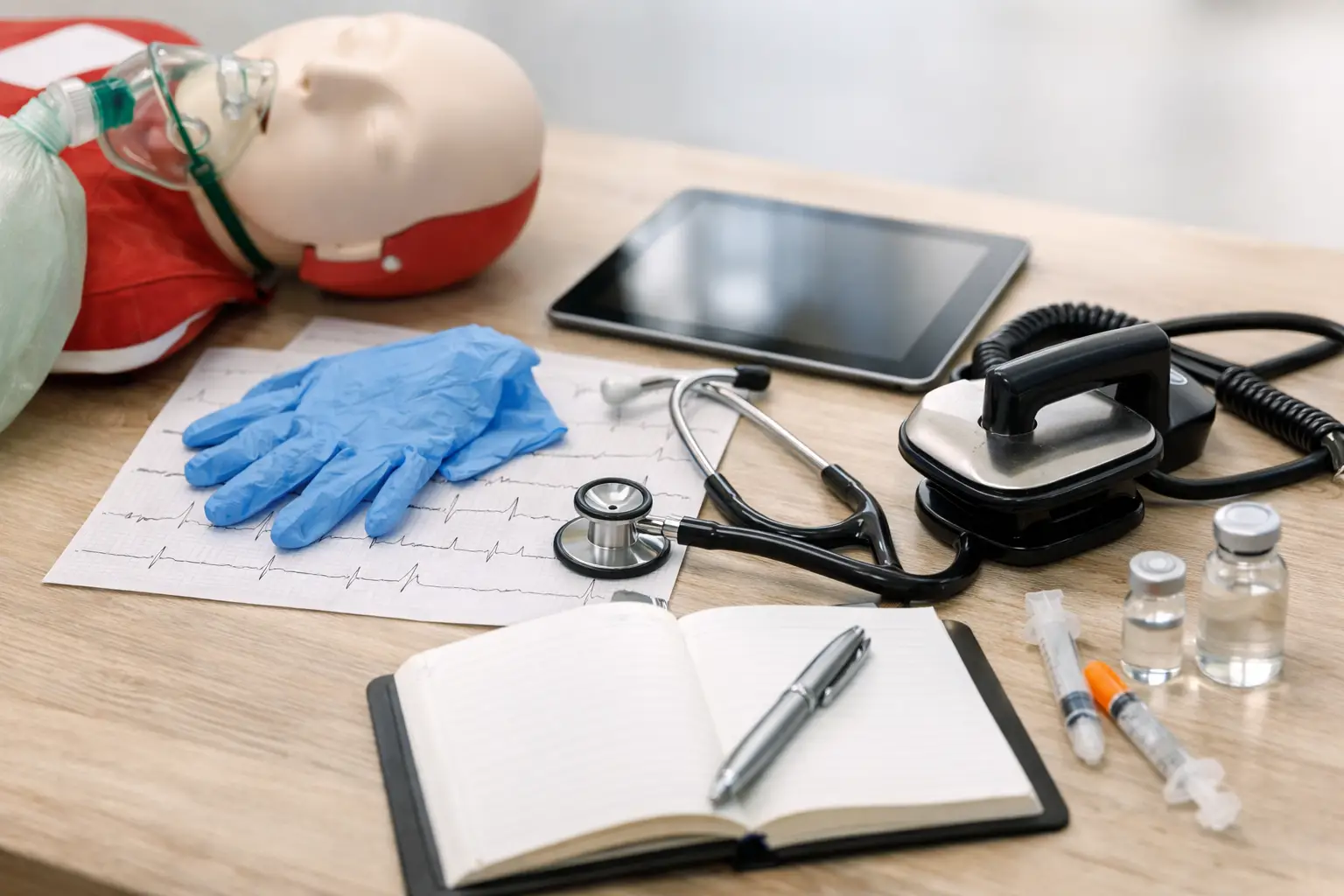
ACLS preparation is not about memorizing a stack of algorithms the night before class. It is about learning to recognize a deteriorating patient, organize a response, communicate clearly with a team, and make sound decisions under pressure. If you are wondering how to prepare for ACLS, focus on building a reliable framework for clinical thinking, then reinforce it through active practice.
Advanced Cardiac Life Support is designed for healthcare professionals who may lead or participate in a resuscitation team. Whether you are taking ACLS for the first time or renewing your certification, arriving prepared helps you spend more class time practicing the skills that matter most.
Start With the Course Requirements
Before opening a textbook or watching a video, confirm what your course requires. ACLS is an advanced program, and participants are generally expected to arrive with current Basic Life Support skills. That means high-quality CPR, proper use of an AED or defibrillator, ventilation basics, and rapid recognition of cardiac arrest should already feel familiar.
Review the registration details carefully. Find out whether there is an online pre-course assessment, a required learner manual, or a knowledge check that must be completed before the classroom session. Some courses use a blended format, while others are fully instructor-led. The preparation process may differ slightly, but the goal is the same: arrive ready to apply the material, not see it for the first time.
If your BLS skills feel rusty, refresh them before ACLS. Advanced training builds on strong fundamentals. A team cannot compensate for delayed compressions, poor-quality CPR, or uncertainty with basic equipment.
Build Your ACLS Study Plan Around Recognition
A common mistake is trying to memorize every detail in isolation. Instead, study ACLS as a series of clinical patterns. Ask yourself: What rhythm or condition am I seeing? Is the patient stable or unstable? What is the immediate priority? What treatment pathway applies?
Start with the core situations covered in ACLS: cardiac arrest rhythms, bradycardia, tachycardia, acute coronary syndromes, stroke, and post-cardiac arrest care. For each topic, learn the signs that should prompt action, the broad sequence of care, and the role of reassessment.
Your course materials should be your primary source for algorithms, medication information, and current recommendations. Guidelines can change, and workplace protocols may vary. Avoid relying on old notes, social media graphics, or memory from a previous course if they conflict with your official materials.
A practical way to study is to use short, repeated sessions over several days. Read an algorithm, cover it, then explain the next steps aloud without looking. Return to it later and repeat the process. Active recall is more effective than simply rereading highlighted pages.
Learn the Logic Behind the Algorithms
Algorithms matter, but understanding why each step comes next makes them much easier to remember. In a cardiac arrest scenario, for example, the priorities include early recognition, immediate high-quality CPR, rhythm analysis, appropriate defibrillation when indicated, and organized team communication. Each step supports the next.
For bradycardia and tachycardia, the key distinction is often whether the patient has signs of poor perfusion or instability. The rhythm alone does not tell the full story. ACLS asks you to connect the monitor to the patient in front of you.
This clinical context is especially useful when scenarios become less predictable. A simulator may not present a perfectly textbook rhythm, and real clinical settings rarely do. Understanding the rationale helps you remain calm when details change.
Practice the Skills You Will Use in Class
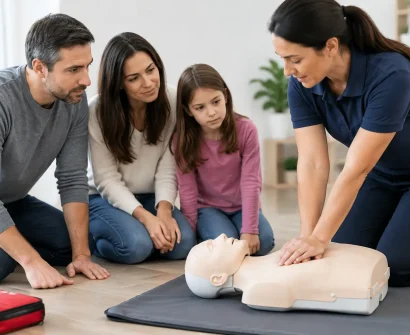
Reading is necessary, but ACLS is a hands-on course. Make time to review the physical and communication skills that support effective resuscitation.
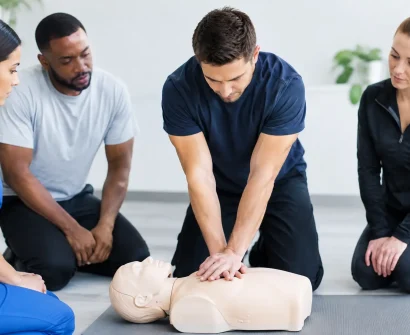
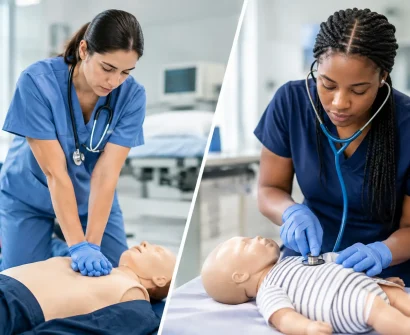
Practice placing pads correctly on a training manikin if one is available, or review the placement and safety process from your course materials. Revisit bag-mask ventilation technique, including maintaining a mask seal and coordinating ventilation with another provider. These skills may seem basic, but they become more difficult when several people are speaking and the situation feels urgent.
It also helps to rehearse a few clear phrases you may use during a scenario: “Start compressions,” “Clear the patient,” “Resume CPR,” “I need a rhythm check,” or “Can someone prepare the medication?” ACLS is not an individual performance. Closed-loop communication helps prevent missed instructions and duplicated tasks.
If you work in a clinical environment, think about the equipment and emergency response process in your own setting. Where is the crash cart? How is a code called? Who typically assumes which role? Your ACLS course teaches a structured approach, while local policies guide how that approach works in your workplace.
Know the Medications Without Guessing
Medication knowledge is part of ACLS preparation, but it should be studied carefully. Learn the medications addressed in your required course materials, their purpose in the relevant algorithms, key cautions, and the timing or route emphasized in training. Use the official learner resources to review exact doses and administration details.
Do not try to memorize medications as disconnected flashcards alone. Link each one to the clinical situation where it may be considered. For instance, ask what problem the medication is intended to address, what assessment information is needed, and what the team should monitor after it is given.
If you are a student or work in a role where you do not routinely administer medications, your responsibility during a scenario may be to recognize the treatment pathway, communicate effectively, and support the team. ACLS preparation should match your professional scope while still helping you understand the full resuscitation process.
Prepare for Team-Based Scenarios
Many capable clinicians feel nervous before ACLS because they expect to be watched while leading a simulation. That feeling is normal. The best response is not to memorize a speech. It is to practice a consistent structure.
When a scenario begins, first assess the patient and call for help when needed. Assign roles early if you are the team leader. Identify the person doing compressions, the person managing the airway, the person operating the monitor or defibrillator, and the person documenting or preparing medications. Then use brief updates to keep everyone aligned.
Good team leadership is calm, direct, and flexible. You do not need to know every answer instantly. You do need to recognize when to pause for a rhythm check, when to resume CPR, when to ask for input, and when to reassess the patient after an intervention.
As a team member, listen for assignments, repeat important instructions back, and speak up when you notice a safety concern. Effective ACLS teams make room for respectful communication. That is not just a testing skill. It protects patients.
The Day Before and the Day of Your Course
The evening before class, avoid cramming until midnight. Review your key algorithms, complete any required pre-course work, gather your identification and course documents, and get adequate rest. Fatigue makes it harder to think clearly during skills practice and written testing.
On course day, arrive early enough to settle in without rushing. Bring the required materials, wear comfortable professional clothing that allows you to kneel and participate in practical exercises, and silence distractions. If you have a learning need, language concern, injury, or physical limitation that could affect participation, communicate with the training provider before the course begins.
At Save a Life First Aid & CPR Training, participants are encouraged to ask questions during practical instruction. Clarifying a point in class is a sign of professional responsibility, especially when the skill may later be used during a real emergency.
How to Prepare for ACLS Recertification
Renewal participants often assume that previous certification means they can prepare less. In reality, recertification is an opportunity to identify drift in knowledge or habits. Guidelines, course formats, and your own clinical responsibilities may have changed since your last ACLS class.
Review the full course material, not only the sections you remember being tested on before. Pay close attention to areas you use less often, such as post-cardiac arrest care or special circumstances. Then revisit BLS performance and team communication. These foundations remain central regardless of your experience level.
Turn Preparation Into Lasting Readiness
The value of ACLS is not measured by a certificate alone. It shows up in the moments when a patient becomes unstable, a colleague calls for help, and the team needs someone who can respond with purpose. Prepare steadily, practice actively, and treat questions as part of learning. Confidence comes from knowing what to do next and being ready to do it with others.