
Currently Empty: $0.00
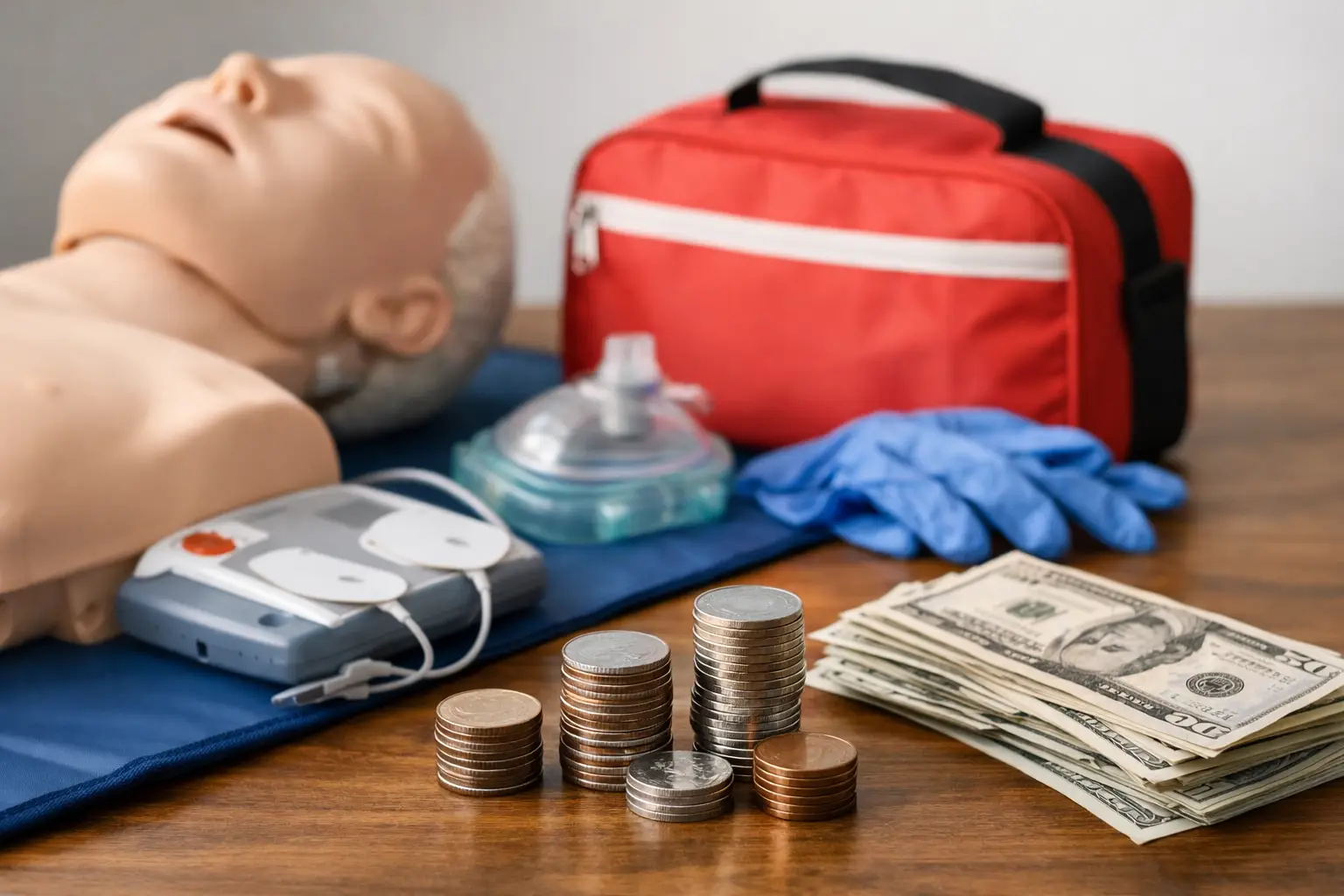
A CPR class can cost less than a family dinner out – or several hundred dollars if you need advanced certification for clinical work. That wide range is why so many people ask, how much does CPR first aid training cost, and the honest answer is that it depends on the course type, certification level, format, and who the training is designed for.
If you are looking for basic community training, the price is usually much lower than a professional-level course such as BLS, ACLS, or PALS. If you need certification for work, licensing, or employer compliance, cost matters, but so does choosing training that meets the right standard. The cheapest option is not always the right one if it does not match your role.
How much does CPR first aid training cost on average?
For general public courses, CPR or emergency first aid training often falls somewhere around $50 to $150 per person. A more complete standard first aid and CPR course may run roughly $100 to $180, depending on course length, certification requirements, and whether AED training is included.
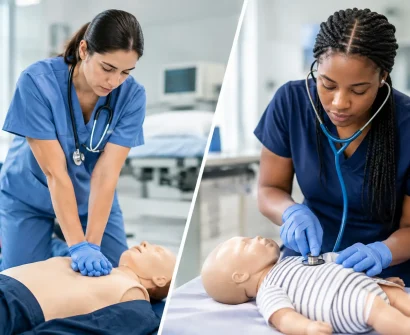
For healthcare providers, costs are usually higher. BLS courses often land in the $70 to $130 range, while ACLS and PALS can range from about $150 to $300 or more. Renewal and recertification courses are sometimes priced lower than full provider courses, but that is not guaranteed. Some providers charge less for renewal because the course is shorter, while others price it close to the full course because the certification value is the same.
That range may seem broad, but it reflects real differences in what you are paying for. A short awareness session is not the same as a hands-on certification course with practical testing, skills evaluation, and official credentials.
What affects the cost of CPR first aid training?
The biggest factor is the level of training. A basic Heartsaver-style CPR AED course for the public is usually more affordable than a clinical resuscitation course for nurses or other healthcare staff. Advanced programs require more instructor expertise, more course content, and more time, which pushes the price up.
Course length also changes the cost. A half-day CPR class will usually cost less than a full-day emergency first aid course, and both will cost less than a multi-hour advanced cardiac life support program. If first aid, CPR, and AED are bundled together, expect a higher price than CPR alone.
Training format matters too. In-person training may cost more because it includes classroom space, equipment, and live instruction. Blended learning can sometimes reduce seat time in the classroom, but it does not always lower the total price. In some cases, you are paying for both the online learning component and the in-person skills session.
Your location can also affect pricing. Urban areas with more training providers may offer more competition, while smaller regions may have fewer class options and different pricing. Weekend scheduling, private group training, and onsite workplace delivery can all change the final cost as well.
Public courses vs professional certification
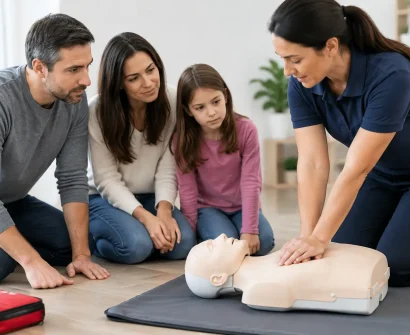
One of the most common reasons people overpay or choose the wrong course is confusion about who the course is for. Parents, teachers, coaches, and community members often need a practical first aid or CPR AED course. Healthcare professionals may need BLS, ACLS, PALS, or another certification tied to their role.
If you only want to feel prepared at home or in public, you may not need an advanced provider-level course. On the other hand, if your employer, licensing body, or clinical placement requires a specific credential, a lower-cost public course may not meet that requirement at all.
This is where course descriptions matter. A lower sticker price does not help if you end up retaking a different class later because the first one was not accepted. Choosing the right course the first time is often the best way to control overall cost.
What is usually included in the price?
Some CPR first aid training fees are all-inclusive, while others are broken into separate charges. In many cases, the posted course price covers instruction, skills practice, certification processing, and a completion card or certificate. In other cases, there may be added fees for manuals, online modules, replacement cards, or same-day certification processing.
Before you register, check what is included. Ask whether the cost covers the full certification, whether there is a separate online learning fee, and whether taxes or materials are extra. A course that looks cheaper upfront can end up costing more once every required component is added.
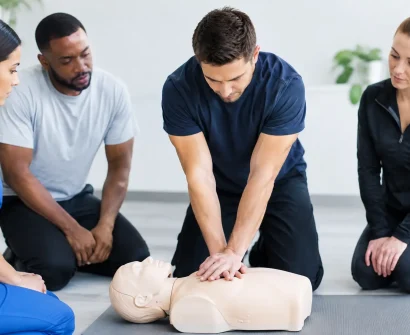
Hands-on practice equipment also matters. Quality training uses CPR manikins, AED trainers, and scenario-based instruction to build real response skills. That practical component is part of the value, especially for learners who need confidence as much as certification.
Is online-only CPR first aid training cheaper?
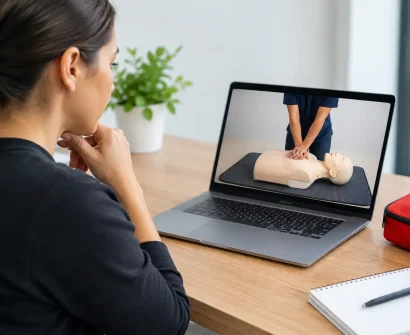
Often, yes – but there is an important trade-off. Fully online CPR or first aid courses may cost less because they do not include in-person skills evaluation. For some learners, that may be enough for general knowledge. For many jobs and regulated roles, it is not.
If your workplace or professional body requires a recognized certification with hands-on assessment, an online-only course may not be accepted. That makes the lower cost less useful. Blended learning can be a good middle ground because it offers scheduling flexibility while still including practical skills testing.
Price should never be the only filter here. In emergency response training, confidence comes from doing, not just reading or watching. A course that gives you realistic practice can offer much better value than a cheaper option that leaves you uncertain in a real emergency.
How much do renewal and recertification courses cost?
Renewal and recertification courses are often less expensive than first-time training, especially for BLS, ACLS, and PALS. Because returning learners already know the basics, the schedule may be shorter and more focused. That can lower the price.
Still, do not assume every renewal course is discounted. Some providers price renewals close to full courses, especially when materials, testing, and certification fees remain the same. If your certification is close to expiring, it is worth comparing dates, formats, and total cost early rather than waiting for a last-minute class.
For professionals, timing matters almost as much as pricing. Missing a required renewal window can create bigger costs than the course fee itself, including missed shifts, delayed onboarding, or licensing issues.
How to choose the right course without overspending
Start with your purpose. If you need training for a job, placement, or license, confirm the exact course required before you register. If you want practical family or workplace preparedness, look for a course that matches that goal rather than buying a higher-level certification you do not need.
Then compare total value, not just the base price. Look at course duration, certification type, whether hands-on skills are included, and whether the provider clearly explains what you will receive. A dependable training provider should make those details easy to understand.
It also helps to think beyond the certificate. Good instruction can make the difference between memorizing steps and actually being ready to act. That is why many learners choose providers like Save a Life that focus on practical, hands-on readiness across both community and healthcare training paths.
So, what should you expect to pay?
For most people, CPR first aid training will fall somewhere between about $50 and $180 for public and workplace-oriented courses, with advanced healthcare certifications running higher. That is a useful baseline, but the real question is not just how much the course costs. It is whether the training fits your responsibilities, meets any certification requirement, and leaves you prepared to respond when someone needs help.
The right course is an investment in competence, not just a line item. When you choose training that matches your role and gives you real practice, the value lasts far beyond the day you register.