
Currently Empty: $0.00
A cardiac emergency does not wait for the right shift, the right setting, or the right person to step forward. When someone stops breathing or loses a pulse, the people nearby become the response team. That is why bls certification matters. It prepares learners to recognize life-threatening events quickly, begin high-quality CPR, use an AED, and support airway and breathing emergencies with a clear, practiced approach.
For many healthcare professionals, BLS is a job requirement. For others, it is a practical decision rooted in readiness. In both cases, the value is the same – training that turns hesitation into action.
What BLS certification actually covers
BLS stands for Basic Life Support, but the word basic can be misleading. This training is focused, not simplistic. It teaches the essential interventions that sustain life in the first critical minutes of an emergency, especially before advanced care is available or fully in place.
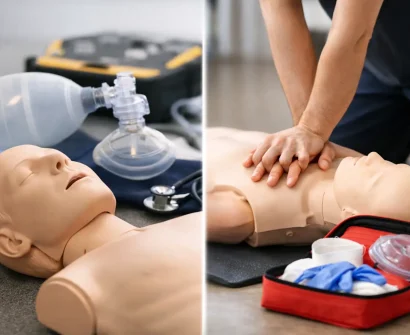
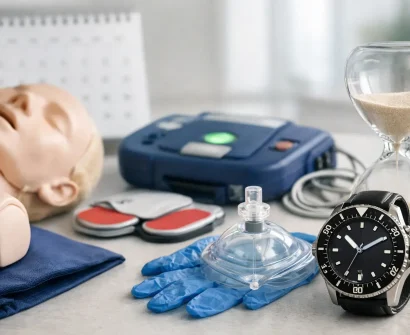
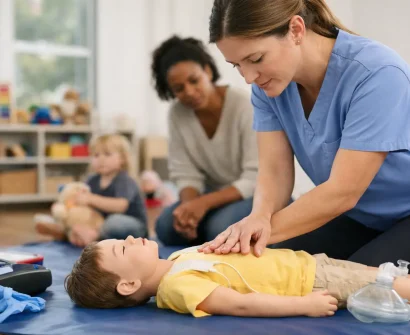
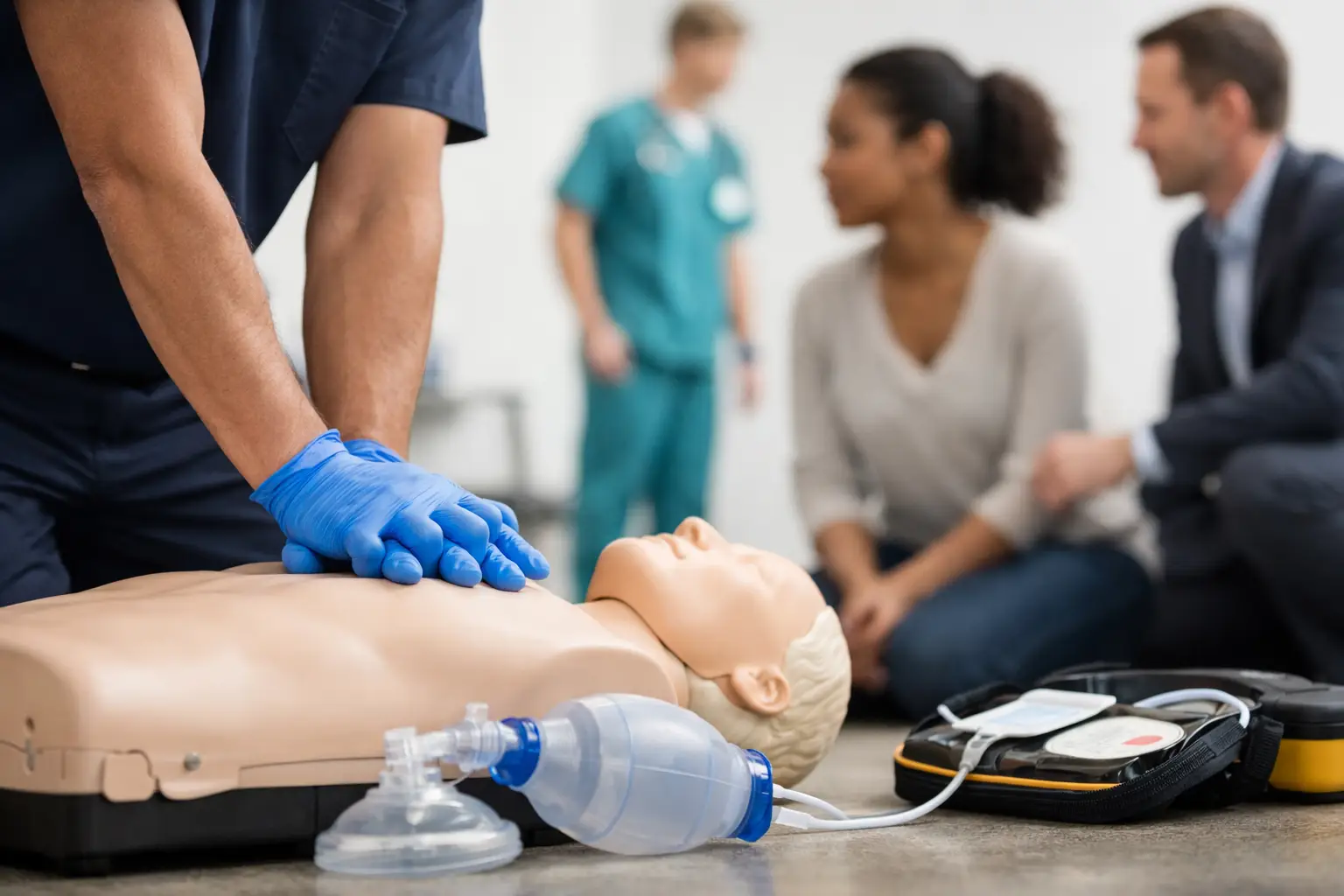
A quality BLS course typically covers adult, child, and infant CPR, AED use, relief of choking, and team-based response skills. Learners also practice scene assessment, recognizing cardiac arrest, and delivering compressions and ventilations at the right pace and depth. In healthcare settings, BLS often includes two-rescuer scenarios and bag-mask ventilation because resuscitation rarely happens in isolation.
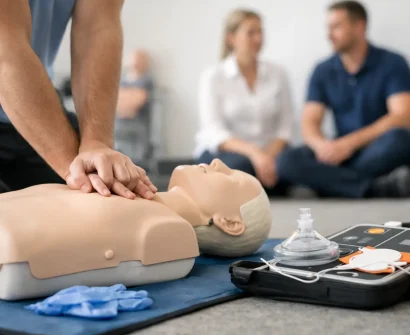
That hands-on element matters. Watching a video about CPR is not the same as positioning your hands correctly on a manikin, timing compressions, switching roles with a partner, or responding under instructor guidance. Real emergencies are stressful. Practice helps build control when seconds count.
Who should get BLS certification
BLS certification is most often associated with nurses, physicians, paramedics, respiratory therapists, dental teams, and other clinical staff. In these roles, certification may be required for employment, onboarding, hospital privileges, or license maintenance. Employers want more than a certificate on file. They want staff who can respond consistently in a crisis.
But healthcare workers are not the only people who benefit. Childcare providers, teachers, fitness staff, caregivers, and workplace safety personnel may also choose BLS when they want a more comprehensive CPR credential. Some non-clinical learners simply prefer a course with a stronger skills focus and a higher level of emergency response training.
It does depend on the setting. A parent who wants general emergency preparedness may be well served by a Heartsaver-style CPR and first aid course. A medical assistant in a busy practice, by contrast, usually needs BLS because the workplace expectation is different. The right choice is not about taking the most advanced course available. It is about matching the training to your responsibilities.
BLS certification for healthcare professionals
For clinical learners, BLS is often the foundation that supports every other advanced course. If you plan to take ACLS or PALS, strong BLS skills are not optional. High-quality compressions, early defibrillation, airway support, and coordinated team performance remain central even when the emergency becomes more complex.
This is one reason renewals matter. Skills fade faster than many people expect, especially if they are not used often. A provider may understand the algorithm on paper but still lose time in a real event if their muscle memory is weak. Recertification helps correct small errors before they become major problems, such as shallow compressions, delayed AED use, or poor communication during a code.
Healthcare employers also look closely at course legitimacy and format. Not every CPR class meets the same standard. If your role requires BLS, you should confirm that the course aligns with workplace or regulatory expectations and includes the practical evaluation your employer accepts. Convenience matters, but recognition matters more.
Why hands-on training makes the difference
A good BLS class does more than present information. It asks you to perform. That distinction is central to whether the training will help when an emergency becomes real.
In-person practice gives learners immediate feedback on compression depth, recoil, ventilation technique, and AED steps. Instructors can correct posture, hand placement, rhythm, and hesitation in a way self-study cannot. Blended learning can also work well when it combines online theory with a scheduled in-person skills session. That format often appeals to busy professionals who need flexibility without giving up practical assessment.
There is a trade-off. Fully in-person courses may feel more immersive, especially for first-time learners who want more coaching. Blended options can be more efficient for experienced providers balancing shift work and renewal deadlines. The best format depends on your experience level, learning style, and certification requirements.
How to choose the right BLS certification course
Start with the reason you need the course. If it is required for a healthcare job, verify exactly what your employer or licensing body expects. Some workplaces specify the issuing organization, the renewal period, or whether blended learning is acceptable. Checking that first can save time and prevent having to retake the course.
Next, look at the training provider. A dependable provider should make the course format, schedule, duration, and certification details easy to understand. You should know whether you are booking an initial course, a renewal, or a recertification pathway. Clear course information is not a minor detail. It is part of safe, professional training.
Then consider what kind of instruction you need. First-time learners often do best in an environment where they can ask questions, practice repeatedly, and receive direct support. Experienced providers may prioritize efficient scheduling and focused review. Neither approach is wrong. The right course is the one that helps you leave prepared, not just processed.
What learners often underestimate
Many people assume BLS is mainly about CPR technique. In practice, one of the biggest benefits is learning to respond in order. Emergency scenes can become chaotic fast. A person collapses, bystanders panic, someone calls for help, and critical steps can be missed if no one takes control.
BLS training reinforces a structured response. Check responsiveness. Activate emergency response. Start compressions. Use the AED as soon as it is available. Support ventilations when appropriate. Work as a team. That framework reduces delay and improves performance under pressure.
Communication is another overlooked skill. In a healthcare setting, clear verbal coordination can affect the pace and quality of care. Even outside clinical environments, simple statements like assigning someone to call 911 or bring the AED can change the outcome of an emergency. Confidence is not only about knowing what to do. It is about being able to direct action when others freeze.
BLS certification and confidence in real emergencies
Confidence should never mean overconfidence. BLS training does not make every emergency simple, and it does not remove the emotional weight of responding to a collapsed child, a coworker in distress, or a family member who is not breathing. What it does is give you a plan and the practice to follow it.
That matters for professionals who may be first on scene in a clinic, office, or long-term care setting. It also matters for non-clinical learners who want to protect the people around them. Preparedness is not abstract. It is the difference between standing by and stepping in.
For many learners, the most reassuring part of training is discovering that effective response is teachable. You do not need perfect conditions to begin helping. You need recognized instruction, hands-on practice, and a willingness to act.
When to renew your BLS certification
If you already hold BLS certification, do not wait until the last minute to think about renewal. Course availability, work schedules, and documentation needs can create avoidable stress if you let the deadline get too close. Booking early gives you better scheduling options and leaves time to resolve any employer-specific requirements.
Renewal is also a chance to sharpen weak points. Maybe your compression rate drifted the last time you tested. Maybe infant CPR feels less familiar than adult response. A strong renewal course does not simply reissue a card. It helps restore readiness.
At Save a Life, that practical focus is what training should deliver – not only a credential, but the ability to use it when someone needs you most.
BLS certification is more than a checkbox for work or compliance. It is a decision to be useful in a critical moment, and there are few qualifications more meaningful than that.