
Currently Empty: $0.00
A job posting asks for BLS. Your child’s daycare asks for CPR certification. Both courses teach lifesaving response, but they are not interchangeable credentials. Understanding BLS vs CPR certification before you register helps you meet the right requirement and build skills that match the emergencies you may face.
The short answer is that BLS is generally designed for healthcare professionals and trained responders, while CPR certification is often the better fit for the public, caregivers, educators, and many workplace teams. The right choice depends on your role, your employer’s policy, and the level of response you may be expected to provide.
What Is CPR Certification?
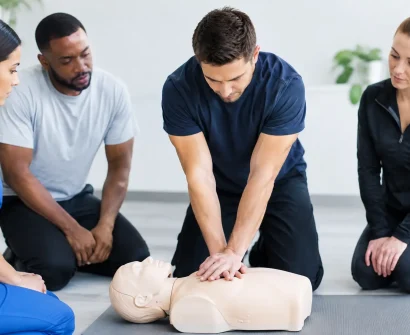
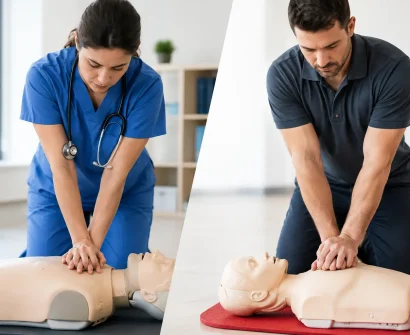
CPR certification teaches participants how to recognize a cardiac emergency and provide immediate care until emergency medical services arrive. Most community CPR courses cover high-quality chest compressions, rescue breaths when included in the course format, automated external defibrillator (AED) use, and how to respond when an adult, child, or infant is choking.
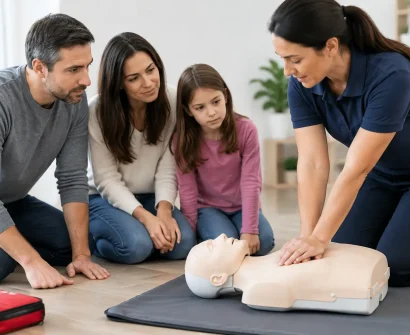
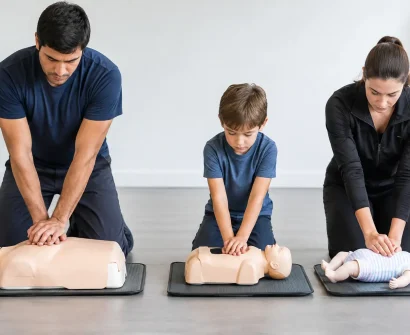
For many learners, this is the most practical starting point. Parents want to know what to do when a baby is unresponsive. Teachers and childcare staff need a clear response plan for a student in distress. Office workers, coaches, fitness instructors, and community members may need certification to satisfy workplace policies or simply want the confidence to help in public.
CPR courses for non-healthcare audiences are often called Heartsaver CPR AED, adult and pediatric CPR, or workplace CPR and first aid. The exact course name and content can vary by training organization, so review the course description rather than assuming every CPR card meets the same requirement.
A strong CPR course emphasizes a simple priority: call for help, begin effective compressions, use an AED as soon as it is available, and continue care until more advanced help takes over. That sequence can make a meaningful difference when every minute matters.
What Is BLS Certification?
Basic Life Support, or BLS, includes CPR skills but goes further for people who work in clinical, healthcare, or professional responder settings. It is commonly required for nurses, physicians, dental professionals, paramedics, medical assistants, allied health staff, and students entering healthcare programs.
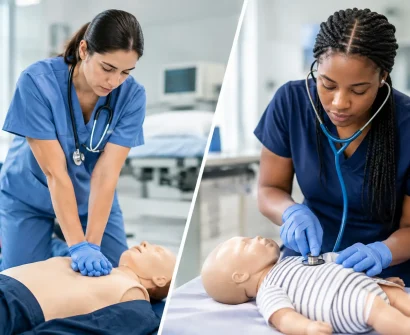
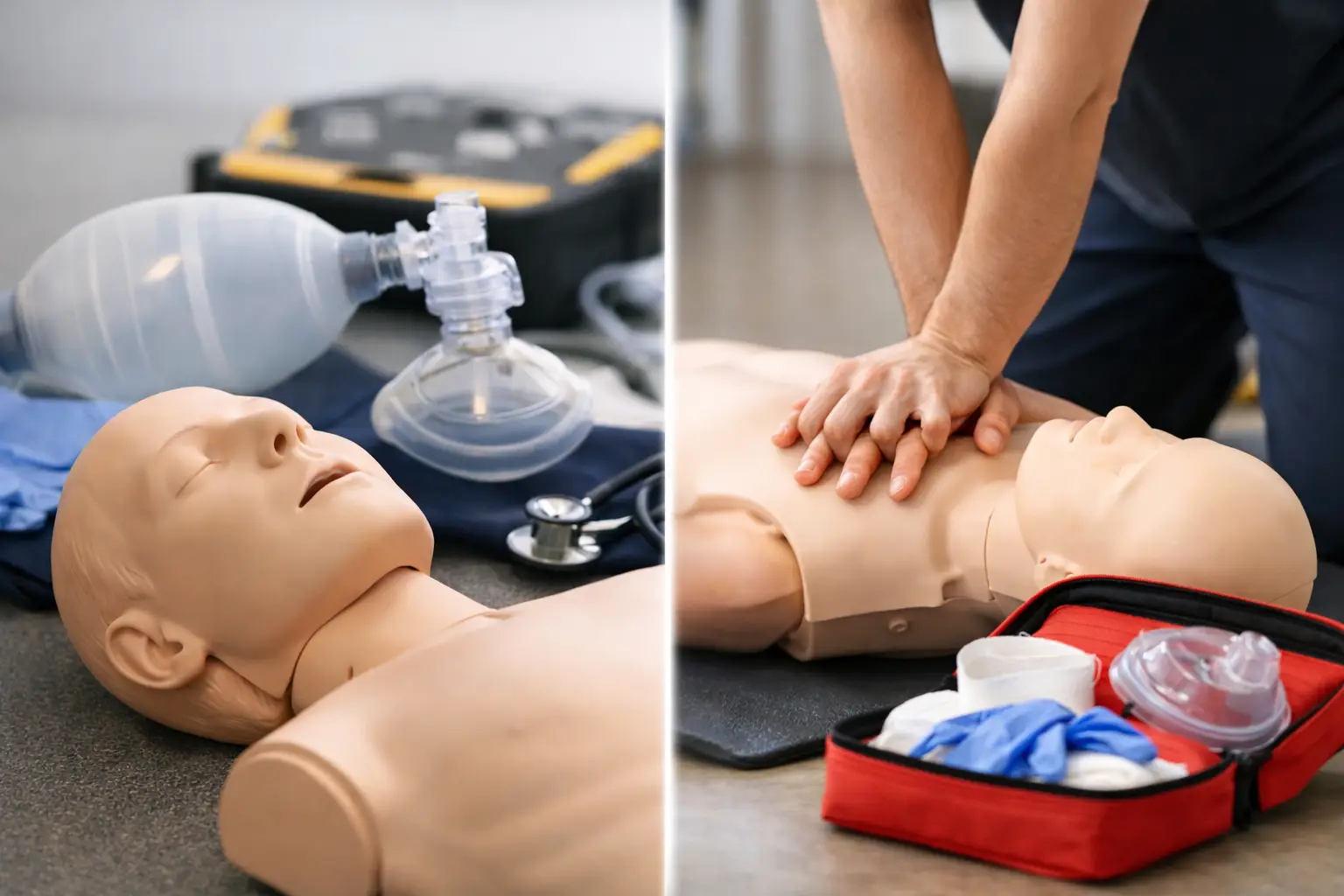
BLS training focuses on delivering high-quality resuscitation as part of a coordinated team. Participants practice adult, child, and infant care, AED use, choking response, barrier-device ventilation, and effective teamwork during a cardiac arrest. The course may also address how to rotate compressors, reduce interruptions in compressions, communicate clearly, and take defined roles during a multi-rescuer response.
That team-based component is a major distinction. In a hospital, clinic, ambulance, or long-term care setting, a responder may not be acting alone. BLS prepares healthcare personnel to provide care within a professional response system while following current resuscitation guidelines and workplace procedures.
BLS vs CPR Certification: The Core Differences
Both certifications can prepare someone to respond to cardiac arrest. The difference is not that one course teaches people to care and the other does not. The difference is the expected setting, level of responsibility, and scope of training.
Intended audience
CPR certification is typically built for the general public and non-clinical workplaces. It is a practical fit for parents, babysitters, teachers, coaches, security staff, personal trainers, and employees whose workplace safety plan requires CPR and AED training.
BLS certification is usually intended for healthcare providers and those training for healthcare roles. If your licensing board, clinical placement, hospital, or employer specifically says “BLS for Healthcare Providers,” a general CPR course may not satisfy the requirement.
Team response and professional skills
CPR courses often prepare a person to act as a single rescuer before emergency services arrive. Participants learn how to recognize an emergency, activate 911, start CPR, and use an AED with confidence.
BLS also teaches those essentials, but it places more attention on two-rescuer response, coordinated compressions and ventilations, team communication, and skills used in professional care environments. Students are expected to demonstrate those skills accurately during hands-on practice and assessment.
Course content and format
There is overlap between the two courses, especially in adult CPR, AED use, and choking response. BLS usually adds more detailed practice with infants and children, team dynamics, and healthcare-focused rescue techniques.
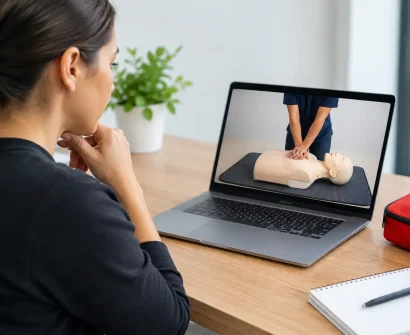
Some courses are offered in person, while others use blended learning. In a blended format, the learner completes online coursework before attending an instructor-led skills session. For credentials that require hands-on verification, watching videos alone is not enough. The learner must demonstrate the required skills in person with a qualified instructor.
Employer and licensing requirements
This is where the decision becomes straightforward. Your employer, school, state licensing authority, or clinical program may specify the exact type of course and issuing organization required. Follow that language exactly.
For example, a daycare employee may need pediatric CPR and first aid, while a nursing student may need BLS. A dental office may require BLS for clinical staff but offer workplace CPR training to administrative employees. A personal preference for a more advanced course does not replace a stated credential requirement.
How to Choose the Right Course
Start with the requirement, not the course title. If you need training for work, ask your manager or program coordinator three questions: Which certification is required? Is a specific training provider required? Does the course need an in-person skills evaluation?
If you are choosing training for your household or community role, think about the people you are most likely to assist. Parents, grandparents, nannies, and childcare professionals benefit from a course that includes infant and child CPR. People working with the public should look for CPR and AED training. Those who also need to respond to cuts, burns, allergic reactions, or sudden illness may benefit from combining CPR with first aid.
Choose BLS when you are a healthcare provider, entering a healthcare program, working in a clinical environment, or are specifically required to hold it. Choose a community or workplace CPR course when you want practical emergency skills and do not need a healthcare-provider credential.
There are exceptions. Some non-clinical employers ask for BLS because their workplace policy is more stringent. Some healthcare-adjacent roles accept CPR training instead. That is why confirming the requirement before registration protects both your time and your certification fee.
Does BLS Count as CPR Certification?
BLS includes CPR, but whether it “counts” as CPR certification depends on who is asking. In many situations, BLS exceeds the CPR training requested because it includes the core CPR and AED response skills. Still, a workplace may require a particular course title, age group coverage, first aid component, or approved provider.
A BLS card may not meet a childcare requirement if that requirement specifically calls for pediatric CPR and first aid. Likewise, a standard CPR card may not meet a hospital’s BLS requirement. Read the requirement carefully and keep a copy of your completion card or digital certificate for your records.
What Both Courses Have in Common
The most valuable lesson in either course is not a card in your wallet. It is the ability to recognize that a person is unresponsive, call 911, begin effective CPR, and bring an AED into the response quickly.
Both BLS and CPR training are designed to turn hesitation into action. Hands-on practice matters because chest compressions, AED pad placement, and choking response are physical skills. Practicing them with an instructor helps correct technique before you are faced with a real emergency.
Certification periods, renewal rules, and course prerequisites vary by training provider and employer. Do not wait until your credential is about to expire to find out what you need. Renewal courses may have eligibility requirements, and some employers require a current card without a lapse.
Build the Skills Your Role Requires
The best course is the one that matches your responsibilities and prepares you to act. BLS is the appropriate path for many healthcare professionals. CPR certification gives community members and workplace teams the essential skills to respond when someone’s heart stops or airway becomes blocked.
At Save a Life, learners can choose hands-on and blended training pathways based on their role, schedule, and certification needs. Whether you are meeting a professional requirement or preparing to protect the people around you, training is a practical decision that can give you the confidence to step forward when someone needs help.