
Currently Empty: $0.00
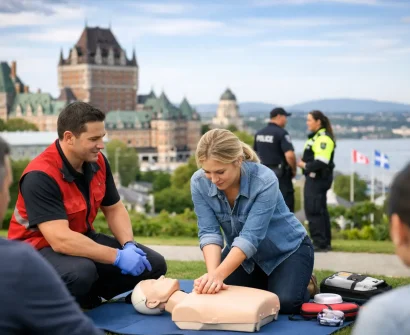
The first time you teach someone to deliver chest compressions, you are doing more than leading a class. You are helping create a person who may one day act decisively for a coworker, patient, child, friend, or stranger. If you are wondering how to start CPR instructor training, the best first step is to understand that becoming an instructor is not simply about holding a current CPR card. It is about learning to teach practical skills clearly, assess performance fairly, and help learners build confidence under pressure.
For healthcare professionals, educators, workplace safety leaders, childcare providers, and experienced first aid responders, instructor training can be a meaningful next step. It may support a new responsibility at work, strengthen a safety program, or create an opportunity to educate your community. The path is achievable, but the right course depends on the certification program you plan to teach and the people you want to serve.
How to Start CPR Instructor Training: Choose Your Teaching Path
Start by identifying the type of students you intend to teach. A CPR instructor who trains nurses and clinical staff may need a different credential pathway than someone who teaches parents, school employees, fitness professionals, or workplace teams. The course content, required prerequisites, equipment, and instructor authorization can all vary by training organization.
Many prospective instructors begin with community-level CPR and AED courses. These programs often focus on recognizing cardiac arrest, calling for emergency help, providing high-quality compressions, using an AED, and responding to choking. Others pursue Basic Life Support instructor training because they work in healthcare or need to teach professional rescuers. Advanced courses, such as ACLS or PALS instruction, generally require more clinical experience, current provider status, and a strong understanding of resuscitation team dynamics.
Before enrolling, ask yourself three practical questions: Who will I teach? Which credentials do my learners need? What certification organization does their employer, school, licensing body, or regulator accept? Answering these questions early helps prevent enrolling in an instructor course that does not match your goals.
Confirm You Meet the Prerequisites
Instructor candidates are usually expected to hold a current provider certification in the discipline they plan to teach. For example, someone preparing to teach BLS commonly needs an active BLS provider credential. A candidate who wants to lead first aid and CPR classes may need current first aid and CPR certification before entering the instructor pathway.
Requirements differ by organization, so read the course details carefully. Some programs require a minimum age, recent course completion, a skills assessment, an online component, or proof of previous teaching experience. Others may require you to be affiliated with an approved training center before you can issue course completion cards to students.
Do not treat these steps as paperwork. Current provider knowledge gives you the clinical and practical foundation to demonstrate skills correctly. Instructor training then builds on that foundation by teaching you how to explain, demonstrate, coach, and evaluate others.
If your own certification is close to expiring, renew it before beginning instructor training whenever possible. Starting with current, confident skills makes the instructional portion more productive and lets you focus on teaching rather than relearning the basics.
Clinical Experience Helps, but It Is Not Always Required
Many excellent CPR instructors are nurses, paramedics, respiratory therapists, dental professionals, and other healthcare providers. Their clinical experience can help them add context to emergency scenarios and answer advanced questions. However, you do not need to work in a hospital to become an effective instructor for community or workplace courses.
Teachers, coaches, childcare educators, safety committee members, and caregivers often make strong instructors because they know how to communicate with diverse learners. The key is staying within the scope of the course you are authorized to teach. Your role is to teach the approved curriculum and performance standards, not to improvise medical advice or turn a CPR class into a personal clinical lecture.
Select a Reputable Instructor Training Provider
The quality of your instructor course matters because it shapes the habits you will carry into every future class. Look for a provider that offers recognized certification pathways, qualified faculty, current course materials, and meaningful hands-on practice.
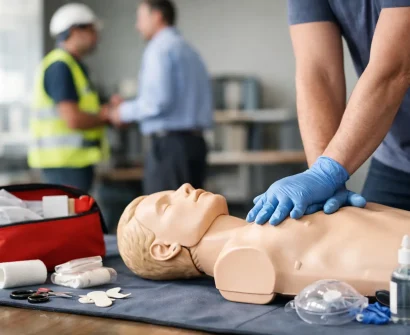
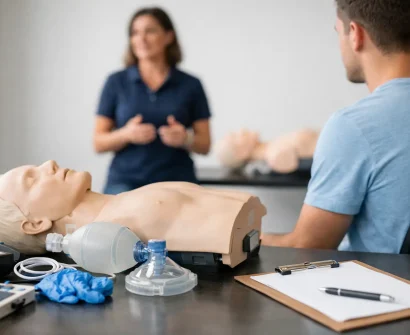
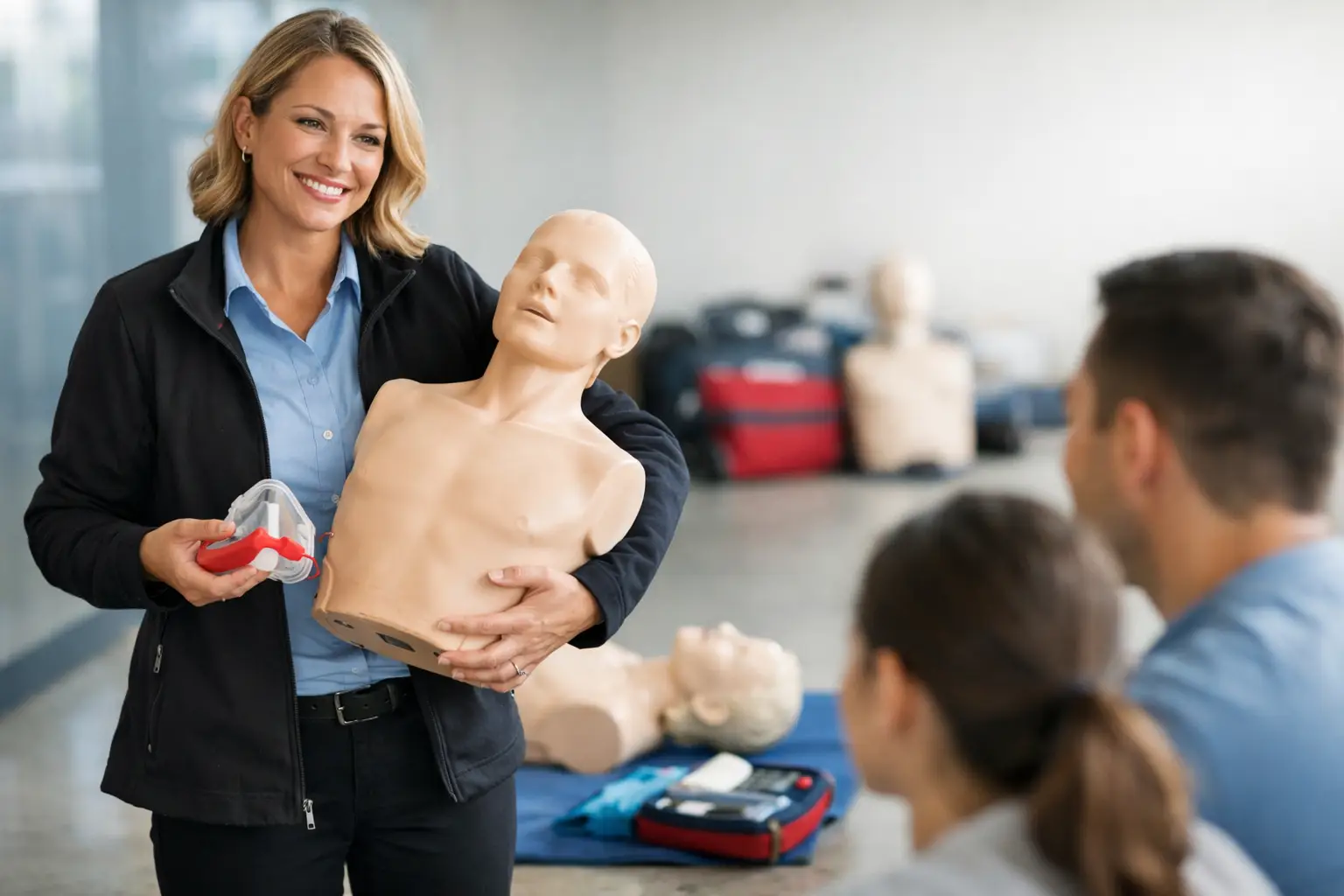
A strong program should show you how to set up a learning space, use manikins and AED trainers, manage practice rotations, give corrective feedback, and evaluate skills consistently. You should also learn how to handle common classroom situations, such as a nervous participant, a learner with limited physical ability, or a group that is moving too quickly through critical steps.
Ask whether the course includes a monitored teaching session. In many instructor pathways, candidates must teach part of a class while being observed by an experienced instructor. This can feel intimidating, but it is one of the most valuable parts of the process. Feedback at this stage helps you correct unclear wording, improve demonstrations, and become more comfortable guiding a group.
For learners in Laval and the Greater Montreal region, Save a Life First Aid & CPR Training can help candidates identify a training path that fits their intended audience and certification needs. The right fit depends on whether you are preparing to teach the public, workplace teams, childcare staff, or healthcare professionals.
Expect Instructor Training to Focus on Teaching, Not Just CPR
You already know that CPR is physical. Students must place their hands correctly, compress deeply enough and quickly enough, allow chest recoil, minimize pauses, and use an AED safely. But instructor training adds another layer: helping people perform these actions accurately after hearing, seeing, and practicing them.
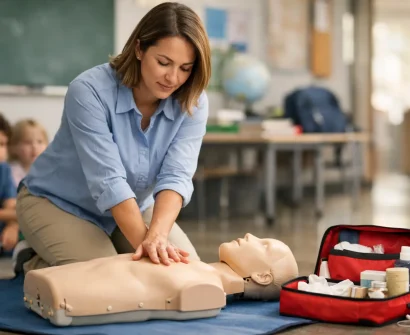
You will learn to break a skill into manageable steps. Instead of saying, “Do CPR correctly,” you may need to demonstrate body position, hand placement, compression rhythm, recoil, and transitions between rescuers. You will also learn to watch for errors that a student may not notice, such as bent elbows, shallow compressions, excessive pauses, or failure to clear the patient before AED analysis.
Clear feedback is essential. Effective instructors are direct without being discouraging. Rather than telling a learner they are doing everything wrong, identify one priority correction, show the skill again, and let them retry it immediately. This approach protects psychological safety while keeping the training standard high.
Prepare for the Business and Logistics of Teaching
If you plan to teach only within your employer, the organization may provide equipment, scheduling, registration, and administrative support. If you plan to offer independent classes, you will need to think beyond the instructor credential.
Consider where classes will take place, how many learners you can safely accommodate, and what equipment is required for the course format. You may need adult, child, and infant manikins; AED trainers; barrier devices; cleaning supplies; course materials; and a reliable process for tracking attendance and issuing certificates. Equipment must be maintained, cleaned between learners, and replaced when it no longer supports accurate practice.
You will also need a plan for accessibility. Some participants may need extra time, a modified practice position, or clear accommodations that still preserve the required learning objectives. Discuss these needs before class whenever possible. A well-prepared instructor creates a respectful learning environment without lowering critical safety standards.
Teaching schedules deserve attention too. Evening and weekend classes may be more convenient for working adults, while daytime sessions may suit organizations, schools, and healthcare teams. Blended learning can be useful when students complete knowledge modules independently and attend an in-person session for hands-on practice and skills evaluation. It is not a shortcut – the practical component remains essential.
Build Confidence Through Repetition and Ongoing Learning
Your first few classes may require more preparation than you expect. Plan your setup in advance, review the lesson materials, test every AED trainer, and rehearse your demonstrations. Arriving early gives you time to arrange the room so every participant can see, practice, and receive feedback.
After each course, reflect on what worked. Did students understand your directions the first time? Were practice stations organized well? Did you spend enough time on the skills that learners found difficult? Small improvements from one class to the next make a significant difference.
CPR guidelines, course policies, and educational methods can change. Maintain your own certifications, complete required updates, and stay connected to your training organization. Continuing education is part of protecting the credibility of the certification you provide and the people who rely on it.
Becoming a CPR instructor is a commitment to preparedness that reaches far beyond the classroom. Begin with the credential path that matches your learners, train with a provider that emphasizes hands-on quality, and keep refining your ability to teach with calm, clarity, and care. Each confident student you train can help make a workplace, family, school, or community safer when every second counts.