
Currently Empty: $0.00
A cardiac emergency does not wait for a doctor, a paramedic, or the “most qualified” person in the room. It may happen at home, at work, on a sports field, or in a public place. That is why the question, can anyone learn CPR? Debunking common myths is more than a training topic. It is about helping ordinary people recognize that they can be ready to help.
CPR is a practical skill, not an instinct people are born with. Effective training teaches you what to look for, what to do first, how to give chest compressions, when to use an AED, and how to continue until emergency responders arrive. While some courses are designed for healthcare professionals, CPR education is also built for parents, teachers, coworkers, caregivers, coaches, and community members with no medical background.
Can Anyone Learn CPR? Debunking the Biggest Myths
The short answer is yes: most people can learn the essential steps of CPR and emergency response. The best course will depend on your role, physical ability, workplace requirements, and the people you care for. Learning CPR does not mean you need to perform like a paramedic. It means you can take informed action when every minute matters.
Myth: CPR is only for doctors, nurses, and paramedics
Healthcare professionals need advanced training because they work in clinical settings and may need to manage complex emergencies. But basic CPR was specifically developed so trained bystanders can help before professional responders arrive.
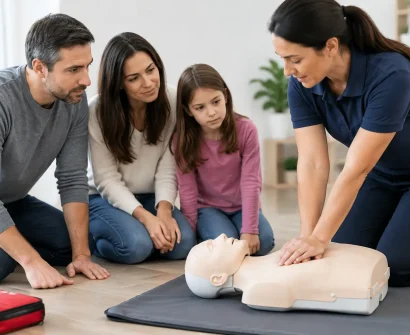
A parent may need to respond to a choking child. A teacher may face a medical emergency in a classroom. A coworker may collapse at an office, warehouse, or job site. In each situation, a nearby trained person can recognize that the individual is unresponsive, call 911, begin CPR when needed, and use an AED if one is available.
Courses such as Heartsaver CPR AED and standard first aid are designed for non-medical learners. They use clear, structured instruction and hands-on practice, so participants leave knowing the steps rather than simply memorizing terms.
Myth: You need to be strong to perform CPR well
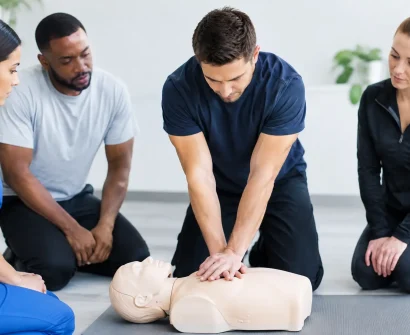
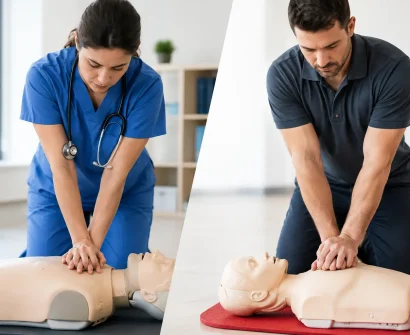
CPR is physical, but it is not a strength contest. Good technique matters far more than athletic ability. Instructors teach proper hand placement, body position, compression depth, rate, and recoil. Using your body weight and straight arms helps you deliver more effective compressions while reducing unnecessary strain.
Some people may have arthritis, back pain, limited mobility, or another condition that makes kneeling or sustained compressions difficult. That does not mean training is out of reach. You can still learn how to assess the scene, call for help, direct others, find an AED, and provide support within your abilities. In an emergency with more than one bystander, these roles are essential.
Training also helps people understand when to switch compressors. CPR can be tiring, even for physically fit adults. If another trained person is present, rotating about every two minutes can help maintain quality compressions.
Myth: If I make a mistake, I will make things worse
Fear of doing harm is one of the most common reasons people hesitate. It is understandable, but it should not keep someone from learning. When a person is unresponsive and not breathing normally, delaying action can be far more dangerous than attempting CPR.
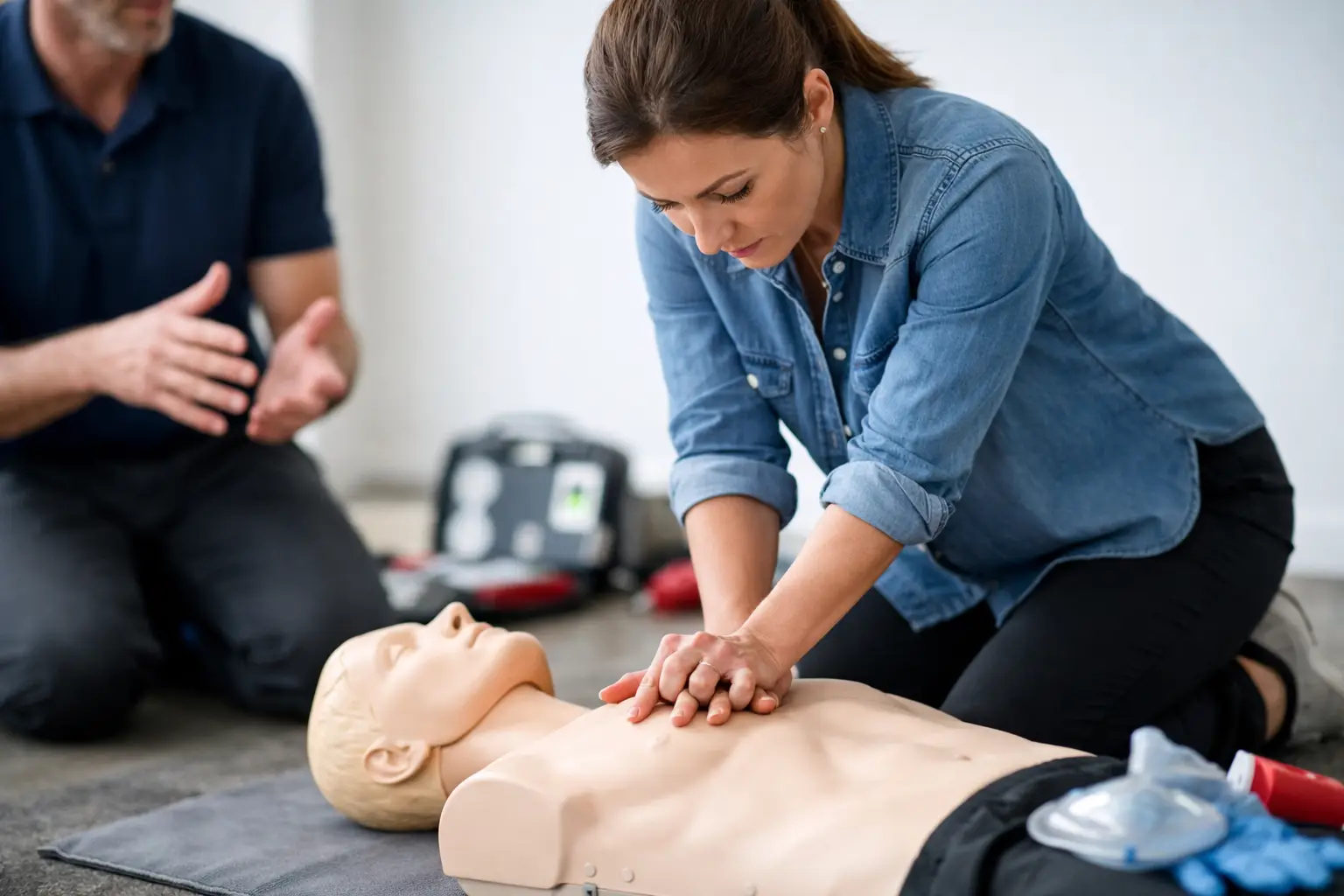
A CPR course provides a safe place to practice on mannequins, ask questions, and correct technique without pressure. You learn to look for normal breathing rather than being misled by occasional gasping, which can occur during cardiac arrest. You also learn the value of early emergency calls, strong chest compressions, and AED use.
No bystander response is guaranteed to be perfect. The goal is not perfection. The goal is to recognize a life-threatening emergency, activate emergency services, and provide the best help you can until responders take over.
Myth: An AED is too complicated for the public to use
An automated external defibrillator, or AED, is designed to guide a trained or untrained bystander through the process. Once the pads are placed on the person’s bare chest, the device gives voice prompts and analyzes the heart rhythm. It will not advise a shock unless it detects a rhythm that may be treated with defibrillation.
CPR training makes AED use much less intimidating because you can practice the sequence in a calm classroom setting. You will learn how to turn the device on, expose and dry the chest if necessary, place the pads, make sure no one is touching the person during analysis, and follow the prompts.
An AED does not replace CPR. These actions work together. CPR keeps blood moving while the AED determines whether a shock is advised.
Myth: Online videos are enough to learn CPR
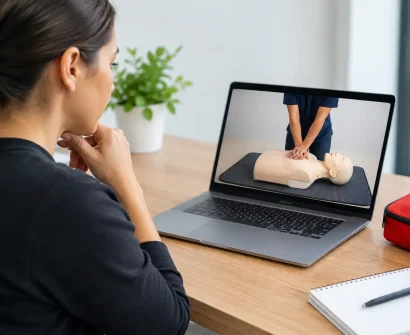
Videos can be useful reminders, especially after you have completed a course. They cannot replace feedback from a qualified instructor or the physical practice required to build skill and confidence.
CPR requires more than knowing the general idea. You need to feel what correct hand placement and body position are like. You need feedback on compression rate and depth. You also need practice responding to realistic scenarios, including choking, unconsciousness, and AED use.
Blended learning can be a practical option for busy learners. It combines online coursework with an in-person skills session, allowing participants to review the knowledge portion at their own pace while still receiving essential hands-on evaluation. For certification, always choose a course that meets the requirements of your employer, licensing body, school, or organization.
Myth: I am too old, too young, or too nervous to learn
CPR training is for people at many life stages. Teenagers who babysit, grandparents caring for young children, new parents, and adult children supporting aging relatives can all benefit from learning emergency response skills. The right course level and format can make the material approachable.
Nervousness is also normal. In fact, many people register because they are nervous about what they would do in a real emergency. Repetition helps replace uncertainty with a clear response plan: check the scene, assess responsiveness and breathing, call 911, get an AED, and begin care.
Age and physical capacity can affect which tasks a participant can perform or how long they can perform them. They do not prevent someone from learning how to recognize an emergency, get help, and contribute meaningfully. A good instructor can discuss practical adaptations and help learners focus on the actions they can take safely.
Myth: Once certified, you never need to practice again
A CPR card is valuable, but skills can fade when they are not used. Recertification and refresher training give you a chance to revisit current guidance, restore muscle memory, and practice under instructor feedback.
This is particularly relevant for healthcare providers, childcare professionals, workplace first aid teams, and others with formal training requirements. It also matters for the general public. The confidence gained during a first course can become much stronger when you return to practice the skills.
Keep in mind that certification renewal periods vary by course and credential. Check the requirements set by your workplace, professional regulator, or program rather than assuming every CPR certificate has the same validity period.
Choosing the Right CPR Training for Your Role
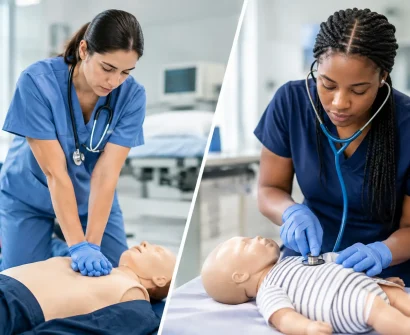
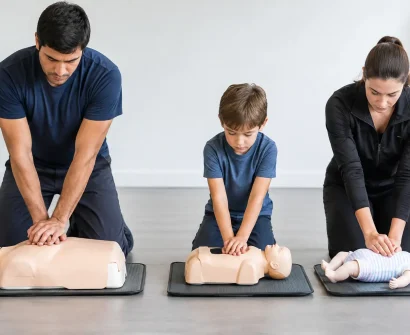
The best course is not necessarily the most advanced one. A parent or coach may need a program that covers adult, child, and infant CPR, choking response, and AED use. A workplace team may require first aid alongside CPR certification. Healthcare professionals may need Basic Life Support, ACLS, PALS, or another credential tied to their role.
For learners in Laval and the Greater Montreal area, Save a Life First Aid & CPR Training offers options ranging from introductory community courses to advanced healthcare training. Before registering, consider who you may be called on to help, what certification your job requires, and whether classroom or blended learning best fits your schedule.
The first time you place your hands on a CPR mannequin may feel unfamiliar. That is exactly why practice matters. A course gives you the chance to learn before the moment is real, so if someone’s life depends on a bystander stepping forward, you are more prepared to be that person.