
Currently Empty: $0.00
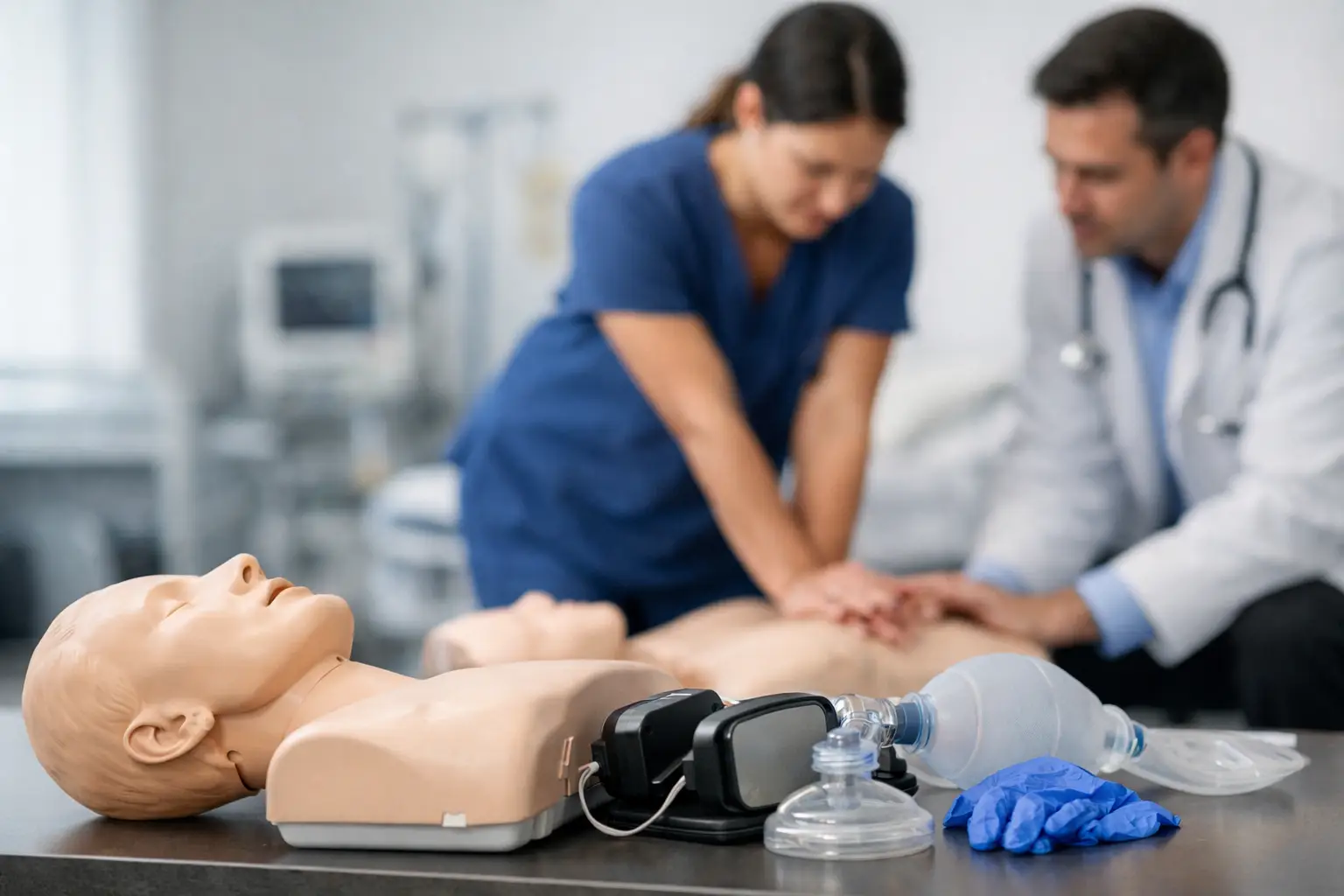
A patient becomes unresponsive in a clinic waiting room. A resident suddenly collapses during a transfer. A child begins choking in a dental office. In moments like these, the reason why BLS certification is essential for healthcare careers becomes very clear: the first few minutes can shape the outcome.
Basic Life Support, or BLS, gives healthcare professionals a structured way to recognize life-threatening emergencies and respond with the skills that matter most. It is more than a credential on a résumé. It is practical preparation for using high-quality CPR, an AED, and team-based response skills when a person’s heart or breathing stops.
Why BLS Certification Is Essential for Healthcare Careers
Healthcare work is built on clinical knowledge, professional judgment, and the ability to act under pressure. BLS supports all three. Whether you are entering a healthcare program, beginning your first patient-facing role, or renewing an existing credential, this training establishes a common emergency-response foundation.
In many roles, employers, schools, licensing bodies, and clinical placement sites require current BLS certification. Requirements vary by profession and organization, so learners should always confirm the specific course standard and renewal timeline they need. Still, BLS is widely expected for nurses, physicians, paramedics, respiratory therapists, dental professionals, pharmacists, personal support workers, and many allied healthcare providers.
Meeting a requirement is only part of the value. A current certification shows that you have practiced recognized resuscitation techniques, understand the importance of prompt action, and can work within an emergency response system. For employers, that helps demonstrate a team’s readiness. For patients and families, it can mean help begins before advanced support arrives.
BLS Builds Skills That Are Used When Seconds Matter
Cardiac arrest is not a situation where healthcare professionals have time to search for instructions or wait for confidence to appear. BLS training teaches a sequence that helps turn a frightening event into a focused response: assess the scene, check responsiveness and breathing, activate emergency support, begin effective CPR, and use an automated external defibrillator as soon as it is available.
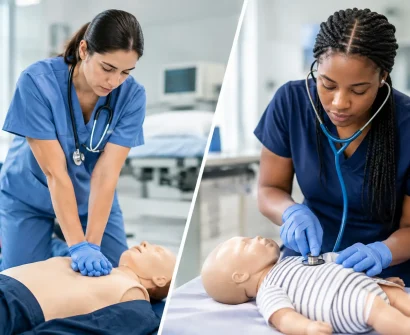
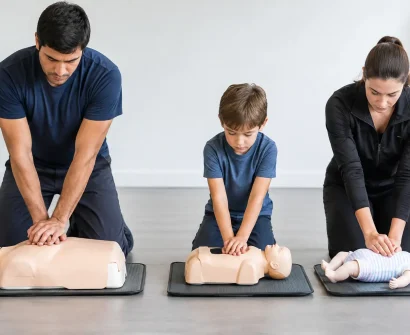
The training also covers how to respond to choking and how to provide care for adults, children, and infants. These distinctions matter. An infant, a child, and an adult do not always require identical techniques, and healthcare professionals need to know how to adjust their response appropriately.
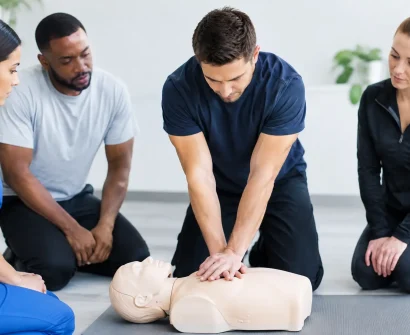
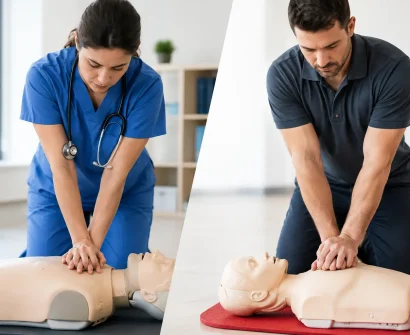
Most importantly, a quality BLS course includes hands-on practice. Reading about chest compressions does not provide the same preparation as practicing proper hand placement, compression depth and rate, ventilation technique, AED pad placement, and role coordination. Repetition helps build muscle memory so the process is more familiar when stress is high.
High-quality CPR is a learned skill
CPR can look simple from a distance, but effective compressions require consistent technique. Compressions that are too shallow, too slow, too fast, or interrupted too often may reduce their effectiveness. BLS courses give learners feedback and instructor guidance so they can correct technique before an actual emergency.
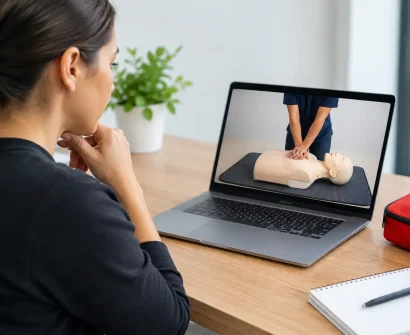
This is one reason online-only learning may not be the right choice for every healthcare role. Online education can be useful for reviewing concepts and completing part of a blended program, but hands-on evaluation is often essential when a workplace or professional program requires demonstrated skills. The right format depends on the credential your employer, school, or regulator accepts.
It Makes Team Response More Effective
Healthcare emergencies are rarely managed by one person for long. A colleague calls for help, another brings the AED, someone begins compressions, and another person communicates with emergency responders. BLS training prepares people to contribute effectively within that coordinated effort.
In a team setting, clear roles reduce confusion. One rescuer may provide compressions while another manages ventilations. Team members learn to minimize pauses, communicate changes during rescuer switches, and confirm that critical tasks have been completed. These details can make a meaningful difference during resuscitation.
The value reaches beyond hospitals. A medical office, pharmacy, long-term care home, rehabilitation facility, dental clinic, school health office, or daycare program may have fewer staff available in an emergency. In those environments, each trained person becomes especially important. BLS helps professionals recognize when immediate action is needed rather than assuming someone else will take charge.
Certification Supports Career Mobility and Professional Trust
For students and early-career professionals, BLS certification can remove a common barrier to entering clinical placements, internships, and patient-care roles. Many healthcare education programs require students to maintain current certification before they can participate in hands-on training. Completing it early helps prevent last-minute scheduling problems when a placement date is approaching.
For experienced professionals, timely renewal protects continuity. An expired card can affect work eligibility, clinical scheduling, or access to certain duties, depending on organizational policy. It is wise to check the expiration date well in advance and plan recertification before the credential lapses.
BLS also reflects a professional mindset. Patients may never ask to see a certification card, but they trust that the people caring for them are prepared for a sudden change in condition. Maintaining emergency response skills is part of honoring that trust.
A credential is not the same as readiness
Certification matters, but it should not create false confidence. Skills can fade if they are never practiced, and guidelines can change over time. The strongest approach is to treat BLS as an ongoing professional responsibility rather than a task completed every few years.
Healthcare teams can reinforce readiness through mock emergencies, AED location checks, role discussions, and regular review of workplace emergency procedures. Even a brief refresher conversation can help staff remember who calls emergency services, where equipment is kept, and how to direct responders into the building.
Choosing the Right BLS Course Matters
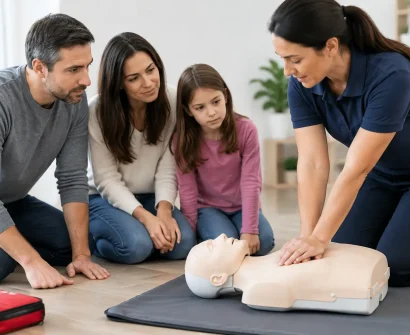
Not every CPR course meets the same need. A general CPR and AED course may be appropriate for parents, teachers, coaches, or workplace responders, while healthcare professionals often need a BLS course designed for clinical settings and professional requirements. Before registering, confirm what your employer, school, association, or placement site specifically requests.
Consider the training provider’s course recognition, the length and format of the program, whether practical skills are assessed in person, and how quickly you need your certification. If you are renewing, confirm that you meet any prerequisites for a renewal option. If you are new to healthcare or your prior card has expired, a full course may be the better fit.
Save a Life First Aid & CPR Training provides instructor-led and blended learning options for healthcare professionals and students in Laval and the Greater Montreal region. The goal is not simply to help participants earn a card. It is to give them practical experience they can carry into clinical environments, workplaces, and everyday life.
BLS Confidence Extends Beyond the Workplace
Healthcare professionals do not stop being capable responders when a shift ends. The same skills may be needed at a restaurant, community event, gym, sports field, or family gathering. Knowing how to recognize cardiac arrest, begin CPR, use an AED, or respond to choking can make someone a source of calm when others are unsure what to do.
That does not mean a BLS-certified person is expected to replace emergency medical services or provide care outside their training and scope. It means they can take immediate, appropriate action while professional help is on the way. Early recognition, early CPR, and early defibrillation are critical links in the chain of survival.
Healthcare careers ask people to be present for others at vulnerable moments. BLS certification gives that commitment a practical form: the ability to recognize an emergency, act with purpose, and help protect a life before the next level of care arrives.